RSS Google AI Blog
Follow
Insulin resistance prediction from wearables and routine blood biomarkers
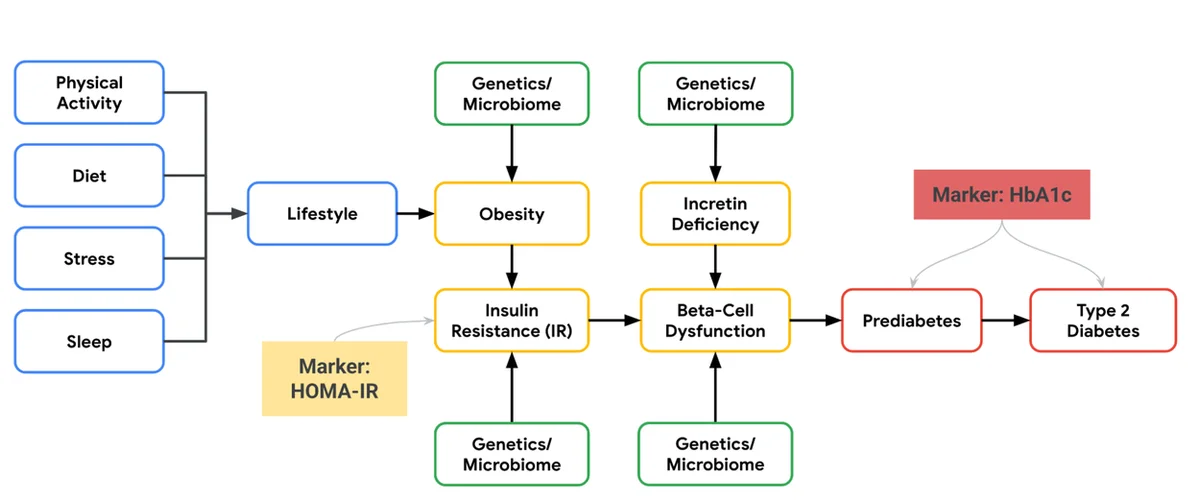
Type 2 diabetes, driven by insulin resistance, affects millions globally, but early detection is hindered by current invasive or inaccessible testing methods. Researchers have developed machine learning models that can predict insulin resistance by combining data from wearable devices and common blood tests. The WEAR-ME study utilized data including resting heart rate, step count, sleep patterns, fasting glucose, and lipid panels to train these models. Combining these data sources significantly improved prediction accuracy compared to using any single source alone. Notably, the models performed particularly well in identifying insulin resistance among high-risk individuals such as those with obesity and sedentary lifestyles.A validation cohort confirmed the generalizability of these predictive models. To enhance user understanding, an AI agent called the Insulin Resistance Literacy and Understanding Agent was developed using advanced language models. This agent provides personalized, contextualized answers about metabolic health, impressing endocrinologists with its comprehensiveness and trustworthiness. The research highlights the potential for accessible, early screening of type 2 diabetes risk through readily available data. This approach could facilitate timely lifestyle interventions to prevent or delay the disease. However, these models are for informational and research purposes only and are not approved medical devices.