Q&A: How Plane Finder set itself up for the long haul
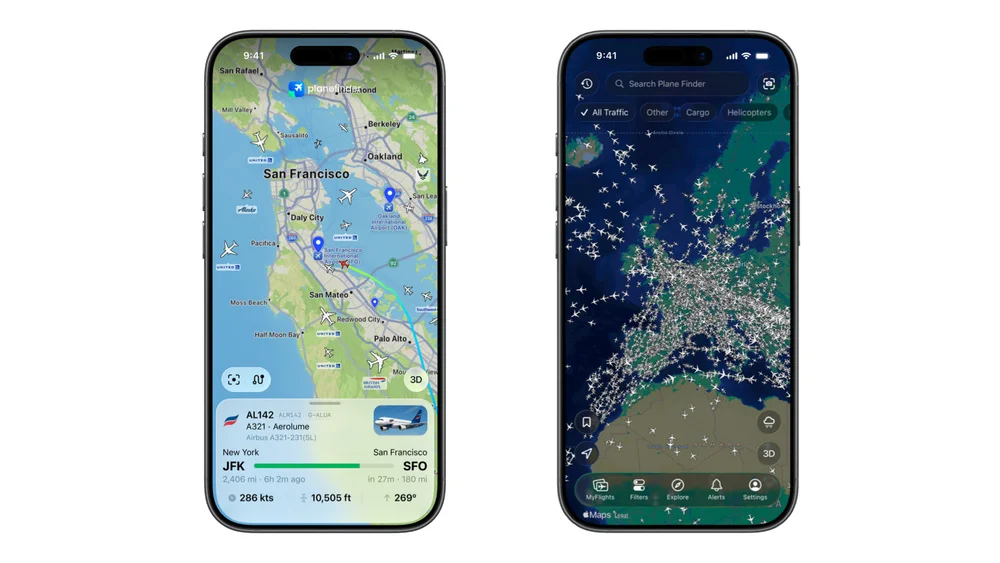
Plane Finder is a successful app that has been on the App Store since 2009, and it has evolved from a simple "planes on a map" concept to a full end-to-end flight-tracking business. The app was founded by Jodie and Lee Armstrong, a married couple who made a long-term bet on Apple's ecosystem and stayed native to the platform. The team has only eight people, but they have been able to build and operate a global network of physical hardware. The founders attribute their success to their early adoption of Apple technologies and features, such as MapKit, ARKit, and Liquid Glass. They have also been able to leverage the power of the App Store to market their app on a global scale. The team's willingness to adopt new technologies has allowed them to stay ahead of the curve and provide a unique experience for their users. Plane Finder has deployed thousands of flight tracking devices worldwide, and the app has enabled them to find people in locations where they want to improve coverage. The team is currently working on new projects, including an internal project code-named "Plane Finder Double Glazed," which will bring wider UI changes and leverage machine learning and foundation models. One thing that people may not realize about running a global flight tracking network is that Plane Finder owns and operates the network of receivers that power it, and they have designed and manufactured their own receivers and antennas. Overall, Plane Finder's success is a testament to the power of Apple's ecosystem and the importance of staying native to the platform.