Collab Fund

CollabFund is a venture capital firm with an innovative approach to investing in early-stage startups. The site highlights its involvement in various sectors such as technology, healthcare, and sustainability. It provides information on the companies they've invested in, including well-known success stories and ongoing partnerships. Additionally, visitors can find details on the team behind CollabFund, which comprises experienced tech entrepreneurs and investors.


Thread Of Notes

Our Achilles Heel

Our inherent inability to grasp probabilities is a significant vulnerability, leading to increased stress and anxiety. This is evident in the college admissions process, where students often face disappointment due to unrealistic expectations about elite university acceptance rates. Companies and marketers frequently exploit this misunderstanding for their benefit, as seen with youth programs promising scholarships or sports franchises promoting championship hopes. Investment managers also leverage this by overpromising returns, knowing that lower figures deter investors. While better understanding of probability could help, a crucial counterpoint is that passion and the pursuit itself drive many great human achievements, which often appear irrational through a purely statistical lens. This creates a tension between trusting the odds and challenging them, suggesting a balance is needed. The key lies in understanding the motivation behind a pursuit. If the pursuit is genuinely loved, the odds matter less, and the learning and experiences gained are valuable regardless of the outcome. However, if the sole focus is on status or a specific promised result, disappointment becomes highly probable. Therefore, it is essential to understand probabilities to maintain perspective in a world of inflated expectations. Ultimately, if a dream is truly loved, the odds should not be a deterrent; instead, one should assess the dream's worth and pursue it anyway.
CdXz5zHNQW_EzCSD6jVYv.jpeg

Welcoming Parker Hayden to Collaborative Fund

What defines Collab Holdings future success isn’t the capital; it’s the stewardship. Few investors understand both the rigor of private equity and the nuance of what makes a brand actually matter to people. Parker Hayden does, and he is joining Collaborative Fund as a Partner to lead Collab Holdings. Collab Holdings exists to be a home for enduring companies, and Parker is the right person to lead that work. Over more than two decades, Parker has deployed over $3 billion across dozens of transactions. His track record includes investments in some of the most culturally significant consumer brands, among them Supreme, Beats by Dre, CAVA, OGX, and 66° North. He has served on more than 15 boards and has handled everything from sourcing through exit, including public offerings and strategic sales. Before joining Collaborative, Parker oversaw the portfolio at Redesign Health. Prior to that, he led direct investing at Mousse Partners. He spent more than a decade at The Carlyle Group on the Consumer and Retail U.S. Buyout team and began his career at Morgan Stanley. At Collaborative, we look for partners who recognize that the best businesses are built for the long term. Parker’s track record as an investor and a board member speaks for itself. We’re glad to have him.

Collab Holdings: A Different Approach to Private Equity for the Best Consumer Brands

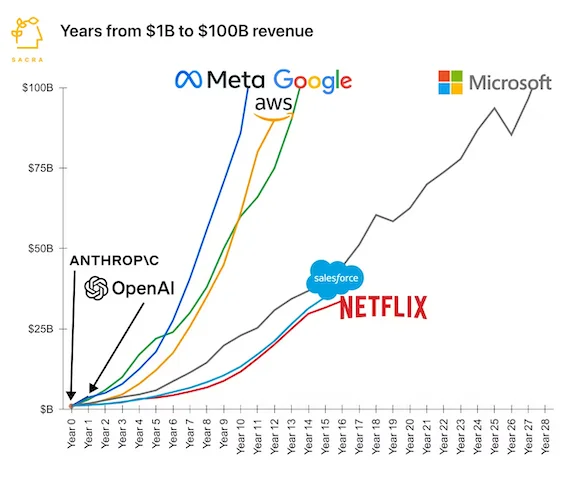
A company founder expressed frustration over investors needing to sell while she wished to continue building, highlighting a lack of suitable partners for businesses that have consistently produced beloved physical products. This problem is exacerbated by the current capital landscape, which heavily favors AI over established, profitable consumer brands. These companies, often characterized by deep customer loyalty and founders with a long-term vision, struggle to find capital that doesn’t impose restrictive timelines. Traditional venture capital, with its ten-year fund cycles, often pressures these businesses to compromise their core values for faster growth. Recognizing this gap, Collaborative Fund has launched Collab Holdings, a new private equity strategy designed as a long-term home for extraordinary consumer brands. Collab Holdings aims to partner with founders without demanding forced exits or short-term liquidity. The focus is on cash flow and customer devotion, mirroring the patient, values-driven approach of successful long-term investors like Warren Buffett with See's Candy. This new strategy seeks to provide capital that aligns with the founders' commitment to craft, obsession, and generational loyalty. Collab Holdings is intended to support companies that prioritize product integrity and customer relationships above all else. The goal is to enable these enduring brands to thrive and grow on their own terms for decades to come.

Long-Term Money

Past generations faced immense hardship, with high child mortality and limited medical advancements, making their lives incomparably difficult compared to today. If these ancestors witnessed a modern grocery store or pharmacy, they would be astounded by the abundance and medical marvels, likely perceiving us as spoiled. This sentiment often arises when older generations observe younger ones enjoying comforts they never had, leading to disappointment rather than pride. However, this apparent "spoiled" existence is often the very goal of the preceding generations' arduous efforts to improve their families' standing. The immigrant parents who toiled tirelessly, for example, aimed to create a life where their children could afford books instead of relying solely on libraries. Therefore, what seems like being spoiled is merely a byproduct of progress, and the bar for what constitutes hardship shifts with each generation. While one generation grappled with basic survival, subsequent ones worry about security, disease, education, and work-life balance, moving on to higher-order problems. This continuous progression, where each generation builds upon the last's achievements, allows future generations to face new challenges and enjoy unprecedented freedoms. We are all beneficiaries of this accumulated hard work, enabling us to tackle novel problems rather than just surviving.

WHOOP

The text discusses a significant investment in WHOOP, a company focused on continuous health monitoring. WHOOP aims to create a "Health OS," providing proactive health intelligence and personalized coaching. Their approach utilizes extensive data accumulated from millions of users and a new medical-grade device. Collaborative Fund is leading a $575 million Series G round, valuing WHOOP at $10.1 billion. The investment stems from a long-held belief in WHOOP's mission to improve human health through meaningful insights. The founder's early adoption of WHOOP during the pandemic highlights its value in monitoring personal health. The company's unique blend of consumer wellness and clinical healthcare sets it apart in the market. This investment will support WHOOP's global expansion, particularly in Europe, Asia, and other key regions. WHOOP's vision extends beyond wearables into building a comprehensive system for understanding and managing health. The company, led by its founder, is positioned to shape the future of proactive healthcare. The investment is backed by a global syndicate including major investors and cultural icons.

Significance > Success

The concept of success is often misunderstood, and people tend to chase it without considering its true meaning. The author attended two events that made him realize the difference between success and significance. The first event was a speech by Connor Buczek, the head men's lacrosse coach at Cornell, who emphasized the importance of being significant rather than just successful. Buczek defined significance as accomplishing things together and making an impact on the people around us. The author was inspired by Buczek's words and began to see the world in a different light. He then attended an annual event at his high school, where two alumni were honored for their distinguished career and outstanding service to the school. The author realized that the two alumni, despite having different careers, had made a significant impact on people's lives. One of the alumni, a physical education teacher, had helped countless students gain confidence and develop a strong work ethic through his coaching and teaching. The author was struck by the teacher's humility and dedication to his work, and he began to appreciate the value of significance over success. The story highlights the importance of making a positive impact on others and leaving a lasting legacy, rather than just chasing personal success. Ultimately, the author came to understand that true significance is about touching lives and making a difference in the world, as exemplified by the lives of George and the two alumni.
CdXz5zHNQW_nUgcWpIgEL.jpeg

The Power of Constraints

NBC Sports was in trouble in the early 1990s after losing Major League Baseball, but it was able to turn things around under the leadership of Dick Ebersol and a young producer named Jon Miller. Miller was tasked with filling the network's programming schedule on a shoestring budget, which forced him to be creative and experiment with new ideas. This led to the development of innovative events such as the NFL Quarterback Skills Challenge and the American Century Celebrity Golf Tournament. Miller's success was due in part to a concept called cognitive resourcefulness, which refers to the ability to think outside the box and come up with novel solutions when resources are scarce. This concept is not unique to sports television, as it can be seen in other areas such as business and investing. Many successful companies, including Airbnb and Uber, were founded during economic downturns and were forced to be creative due to limited resources. In investing, having limited resources can actually be an advantage, as it forces individuals to think differently and come up with unique solutions. The current bull market and stable economic conditions may not last forever, and investors should be prepared for the next crisis by having a plan in place and being ready to invest in innovative companies and ideas. By focusing on what can be controlled and being prepared for the unexpected, investors can turn a crisis into an opportunity. The key is to be creative and think outside the box, just like Jon Miller did when he was tasked with turning around NBC Sports.
CdXz5zHNQW_8yJoAa5BBj.jpeg

A Few Things I’m Pretty Sure About

The author reflects on their experiences with chronic back pain and how it affects their mood and behavior, leading them to consider that people's actions are often influenced by unseen factors. They note that most harm done to others is unintentional and that people tend to underestimate the negative consequences of their actions. The author also discusses the concept of evil and how it can be perpetuated by individuals who do not recognize the harm they are causing. Additionally, they touch on the idea that social media can create unrealistic expectations and promote disappointment among those who feel they are below average. The author believes that many societal problems stem from housing affordability issues and that building more homes could have a significant positive impact. They also consider the impact of technology on society, noting that while the internet has brought many benefits, it has also had negative consequences such as increased political polarization and decreased attention spans. The author expresses hope that future generations will look back on the current era of political divisiveness as a low point that has been overcome. They also discuss the cyclical nature of public opinion and trust in government, suggesting that it is difficult to predict when and how these cycles will shift. The author's reflections are influenced by their own experiences and observations, as well as the ideas of other thinkers, such as Roy Baumeister. Overall, the author's thoughts are centered around the idea that understanding and empathy are essential for building a better society.

The Misfit Tree

The author of this story often gets asked where he gets ideas, and he says it's from everywhere, including a Christmas tree lot on a cold December night. The author and his brother used to go with their dad to pick out a Christmas tree every year, but when they left for college, their dad had to do it alone. Recently, they decided to help their dad, not just because he's 78 and might struggle with a large tree, but also to witness his selection process and defend him from their mom's criticism. Their mom would always find flaws in the tree, and the author and his brother would have to defend their dad's choice. However, when they finally saw their dad in action at the tree lot, they realized that he wasn't really looking for the perfect tree, but rather just picking one that looked good enough. The author's dad has always been drawn to the oddball and the underdog, and he likes "rescuing" imperfect trees. The author believes that the imperfections in life are what make it memorable and special, and that striving for perfection can remove the stories and moments that make us laugh. The author thinks that embracing life's imperfections is what makes it uniquely human, and that's what makes the imperfect Christmas tree so special. The story is a reminder that it's the imperfections in life that make it worth remembering, and that perfection is not always the goal. The author's point is further illustrated when he finds out that the tree fell over at his parent's house, and he thinks that's perfect in every sense of the word.
CdXz5zHNQW_oVJjb6nvEG.png

Warren Buffett Was Always a Brand Guy

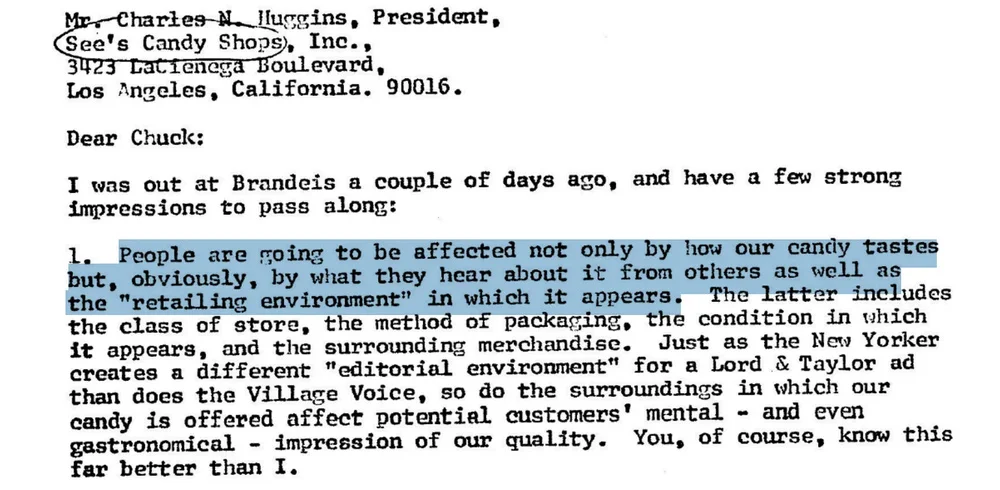
The author reflects on a 1972 letter from Warren Buffett to See's Candy president, revealing Buffett's early understanding of brand building. Buffett understood that a brand's value extends beyond tangible assets like ingredients and earnings. He recognized the significance of customer perception and the feelings a brand evokes, like trust and nostalgia. Buffett saw See's as a brand built on customer love, a "moat" protecting its long-term success. He emphasized the importance of maintaining a special brand image through careful merchandising and control. The letter demonstrates Buffett's focus on intangible brand equity, emphasizing the power of storytelling and consistency. Buffett wanted See's to feel rare and carefully curated, understanding the psychology of desire. The author draws parallels between Buffett's approach and Collaborative Fund's investment philosophy, focusing on purpose-driven companies. They evaluate companies based on whether consumers would miss them if they disappeared, the "Villain Test." See's has generated substantial profits and goodwill, solidifying its place as a legendary brand. The author concludes that Buffett's letter captures the core elements of enduring brand building. Buffett focused on the overlooked elements which build brands and legends.
CdXz5zHNQW_EOZtSl8EuK.png

The Coffee Bank and the Speed of Change

Technology consistently outpaces the legal and regulatory frameworks designed to govern it. Innovations begin as conveniences but can fundamentally alter established norms and rules. Starbucks, for instance, inadvertently became a financial institution by requiring customers to preload funds for app purchases, accumulating billions in customer balances without a banking license. This illustrates how design choices, rather than outright rebellion, can create regulatory blind spots. Uber pioneered a model of launching first, operating in a legal grey area, and then leveraging widespread adoption to legitimize its existence. This "move fast, let the system adapt" approach has become a pervasive strategy in the tech economy. OpenAI's Sora model, capable of generating video from text, raises questions about copyright as it learned from existing human-created works without explicit permission or compensation. Current copyright law, designed for physical copying, struggles to address AI's ability to ingest vast amounts of creative content. The speed of technological iteration, measured in days, far exceeds the deliberation of regulators, who operate on yearly timelines. This gap means laws often describe existing actions rather than defining what is possible. While formal oversight lags, informal mechanisms like reputation and public trust attempt to fill the void, though they are more fragile. Ultimately, progress should not erase the people it relies upon, and while innovation may not seek permission, it should arguably still seek consent.

If You Get the Chance

The text emphasizes the importance of excelling in every opportunity, regardless of its perceived significance. Actor Phillip Seymour Hoffman's advice highlights the value of treating every acting opportunity, even auditions, as a chance to hone skills. General William McRaven's experience building a Navy SEAL float mirrors this: taking pride in smaller tasks leads to larger responsibilities. The author reflects on his own career, regretting not embracing this mindset sooner, recognizing it's a common struggle. Tom Brady's early football career exemplifies this; he focused on maximizing limited practice reps, leading to his success. Brady's story resonated with the author's son, demonstrating the universality of the lesson. The author acknowledges the difficulty in grasping this concept, even though it's vital for professional and personal growth. Regardless of the size of the task, the author encourages approaching everything with purpose and pride. This ensures opportunities are utilized for improvement and habit formation. The text underscores the scarcity of time and opportunities, advocating for making the most of each one.
CdXz5zHNQW_LB5H1QTqZU.jpeg

Back to School

The author reflects on a list of parenting suggestions from a 1992 school head, finding them surprisingly relevant today. The suggestions emphasized realistic expectations, open communication, and consistent behavior from parents. These principles are compared to challenges faced by investors in modern times. Parents struggle with unrealistic expectations influenced by social media, leading to over-scheduling children. The advice urges informed decision-making, avoiding information overload, and handling setbacks calmly. Listening to children, but not always agreeing, is crucial, and unscheduled time is also emphasized. Similarly, investors face pressure from market trends, often overreacting to news and making inconsistent choices. The author suggests investors should also maintain realistic expectations and a disciplined approach. The core tenets of a good life and a resilient portfolio haven't significantly changed. Applying these principles can help both parents and investors navigate challenges effectively. The author concludes with a call for good luck to both parents and investors for the future.
CdXz5zHNQW_lR6qRKxlob.png

My New Book: The Art of Spending Money

The author's new book, The Art of Spending Money, explores what to do with wealth, not just how to build it. It argues that spending money is an art, not a science, as it involves complex human emotions and individuality. The book suggests that money can be used to build a better life and that purchasing desirable items can bring joy. The author emphasizes the importance of ambition, hard work, and independence. After two decades of writing about money, the author notes that most people struggle to define what they want from money beyond using it as a status symbol. The book examines spending money from various perspectives, highlighting key themes. One crucial point is distinguishing between using money as a tool for a better life versus a yardstick for social comparison. Another is recognizing that while money can be a tool, it can also control individuals, becoming a psychological liability. The book posits that money can indirectly contribute to happiness by facilitating independence and purpose. True contentment, and thus enduring happiness with money, comes from finding a way to stop constantly thinking about it. The author cautions that assuming a better life simply means "more money" can mask deeper issues and that personal desires are more challenging to identify than basic needs. Ultimately, everyone can spend money to increase happiness, but the path is unique and personal, with no universal formula.

The Cost of Comfort

Tommy Fleetwood won the Tour Championship, concluding the 2025 PGA Tour season with a significant payday. The LIV Golf season also ended, prompting an examination of the performance of players who joined the Saudi-backed tour. Using major championships as a benchmark, LIV golfers have largely underperformed since accepting massive, guaranteed contracts. This contrasts with the PGA Tour's performance-based pay structure. The guaranteed money offered by LIV Golf appears to have negatively impacted the motivation and performance of many players. For example, Dustin Johnson and Cameron Smith, formerly top-ranked, have seen significant drops in their world rankings and major championship performance since joining LIV. This decline is attributed to a lack of accountability and the comfort that comes with guaranteed wealth. Unlike team sports where players are accountable to teammates and coaches, individual golfers only answer to themselves. This dynamic extends beyond golf, offering lessons for financial markets. A prolonged bull market may have made investors and companies too comfortable, similar to the LIV golfers. The author suggests that this complacency, coupled with current market valuations, makes portfolios vulnerable. It is advisable to adopt a team-player mentality, remain vigilant, and rebalance portfolios into less risky assets. Companies with strong cultures and proven leadership through difficult times are also more resilient. The author concludes that feeling most comfortable in the market often signifies the greatest vulnerability.
CdXz5zHNQW_GNR3ZiDJeC.jpeg

Little Rules About Big Things

The author reflects on various life lessons, including the importance of understanding and managing risk, the impact of ego and income on wealth, and the influence of tribes on our thinking. People often underestimate the risks that can cause permanent damage and overestimate their skills. Financial debates often stem from differing time horizons, and having no fear of missing out (FOMO) is a valuable investing skill. The market is rational, but investors play different games, making it seem irrational to others. History shows that the past wasn't as good as we remember, the present isn't as bad as we think, and the future will be better than we anticipate. People tend to learn when they're surprised, and getting rich and staying rich require different skills. Money's greatest value lies in giving us control over our time, and reputations have momentum in both directions. It's essential to recognize the difference between boldness and recklessness, and risk management is about recognizing potential pitfalls before they occur. The author also notes that innovation and economics can be miles apart, and that risk is often what we can't see or aren't paying attention to.

What A World (A few Stories)

The CEO of Bronco Wine humorously suggested that competitors overcharge for water, implying their low wine prices were normal. Franklin Roosevelt playfully anticipated historians' struggles to find definitive answers in his presidential library. Many attempted flight before the Wright Brothers, with Otto Lilienthal dying from a crash, stating sacrifices must be made. Gabby Gingras, unable to feel pain, suffered severe self-inflicted injuries, highlighting pain's essential role in safety. Eleanor Roosevelt reflected on rebelling against uncertainty in later life. Henry Ford's entrepreneurial spirit turned Model T wood scraps into the Kingsford Charcoal company, a market leader. BlackRock CEO Larry Fink observed a disconnect between generational wealth fund objectives and quarterly performance measurement. Robin Williams' simple answer to an economics question suggested profound wisdom beyond formal education. Michael Lewis emphasizes that great ideas often come from patiently waiting rather than forced schedules. JFK's father prioritized public perception over his son's marital happiness, influencing his presidential ambitions. Early opposition to cars in Washington D.C. revealed resistance to technological change. Germany's post-WWI disarmament paradoxically led to a highly modernized military due to rebuilding from scratch. Ulysses S. Grant's absence from Ford's Theatre, influenced by his wife's dislike of Mary Lincoln, might have altered history. Comedians like Chris Rock test material in small venues, illustrating that visible success is often a fraction of the underlying effort. Economic data from different presidential terms showed contrasting performance, yet public satisfaction with the country remained consistently low while personal satisfaction was higher.

Ferrari Status

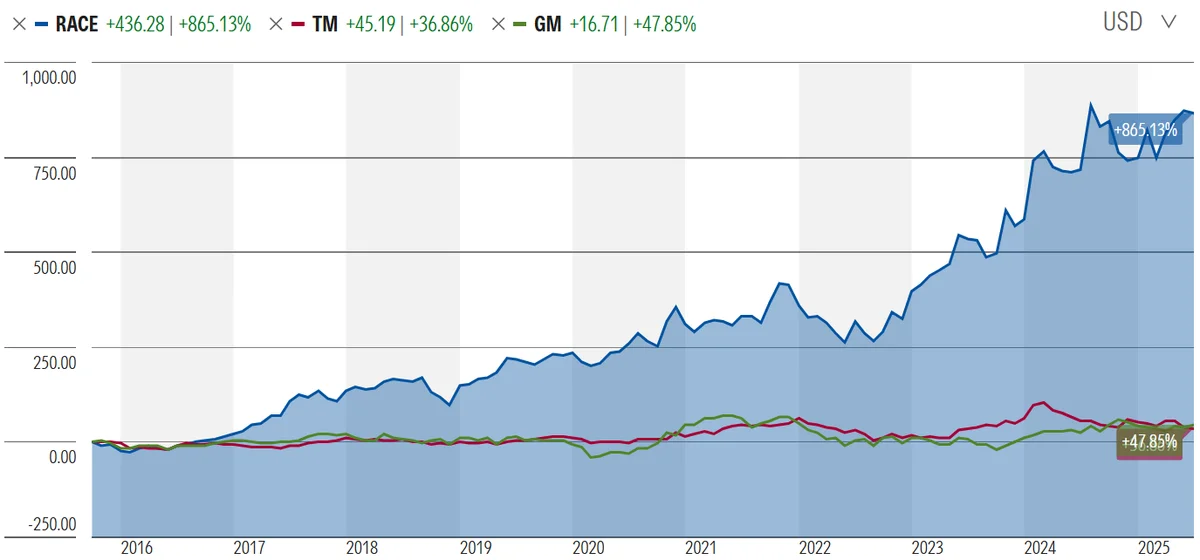
Ferrari, contrary to its classification as a car company, positions itself as a luxury brand that happens to produce cars, a strategy that prioritizes scarcity over mass production. This approach, rooted in Enzo Ferrari's "scarcity dictum," intentionally limits production to maintain exclusivity and high prices. This contrasts sharply with giants like Toyota and GM, which prioritize sales volume over profit margins. While Toyota and GM generate significantly higher revenue, Ferrari boasts substantially greater net and gross margins. This difference translates into superior stock performance, highlighting the importance of profitability over sheer scale. Many companies, across various sectors, have fallen victim to prioritizing growth at the cost of profitability, learning costly lessons from failed growth strategies. The current investment climate mirrors this trend, with excessive capital flowing into companies, forcing unsustainable growth and potentially leading to diminished returns. Investors should therefore focus on firms with disciplined approaches, mimicking Ferrari's model of controlled growth and high profitability, rather than chasing hyper-growth at all costs. This selective approach offers a path to better investment outcomes in a market flooded with capital.
CdXz5zHNQW_QtexvviYhs.png

A Screenless Future

The future of user interfaces and experiences is being shaped by the increasing presence of AI in our lives, with a potential shift towards a world without screens. Emmett Shine, co-founder of Gin Lane, envisions a future where humans will exist without screens for hundreds of thousands of years, similar to how they did before their invention. This idea is also being explored by companies like Meta and OpenAI, which are investing heavily in AR/VR headsets, smart glasses, and other technologies that could replace traditional screens. A screenless future would require significant advancements in areas like hardware, voice dictation, and motion detection, and several startups are already working on these technologies. New companies are emerging with innovative solutions, such as AI-powered devices that feel like jewelry or clothing, and voice dictation apps that can hold real-time conversations. The development of human-level motion detection is also crucial, with companies like Ambient.ai working on delivering near-human perception in physical spaces. As technology becomes more immersive and hands-free, design will play a key role in shaping the user experience, with a focus on tone, empathy, and personality. In a screenless future, brand identity and trust will become even more important, as companies will need to create experiences that are respectful, empathetic, and human-centered. The ultimate goal of a screenless future is to create technology that is virtually invisible, allowing people to focus on their lives and interactions, rather than being distracted by screens. By making technology disappear into the background, we can create a more peaceful and human-centered world, where technology serves us rather than demanding our attention.

Where does value accrue beyond Open AI?

The AI scene has seen a surge in writing assistants, chatbots, and other tools, but OpenAI's ChatGPT has dominated the market with its steady rollout of new features. This has put a strain on startups trying to compete, leading to the question of how to build consumer applications when OpenAI has such a large share of user attention and data. However, instead of copying or giving up, startups can find spaces where OpenAI can't compete, such as areas where its size works against it. OpenAI's ChatGPT has become a default destination for consumer AI, with hundreds of millions of weekly users and vast compute power, but there are areas where startups can carve out their own ground. Startups can focus on areas such as vertical trust and domain expertise, bridging to the physical world, and closing the creativity gap, where OpenAI's general-purpose chatbots struggle. These areas require specialized expertise, real-world integration, and human curation, which can be difficult for a digital-first company like OpenAI to replicate. By focusing on these areas, startups can create value and differentiate themselves from OpenAI. The key is to find places where AI is a means to something bigger, and where giants like OpenAI stumble, such as deep trust, real-world execution, or genuine novelty. Ultimately, success is not about trying to outscale OpenAI, but about finding places where AI is a means to something bigger, and where value will continue to accrue in the gaps that AI can't fill. By identifying and addressing these gaps, startups can create a competitive edge and build successful consumer applications.
CdXz5zHNQW_3cB7wWwlOx.png

Inside Collaborative Fund’s 4x DPI Fund I

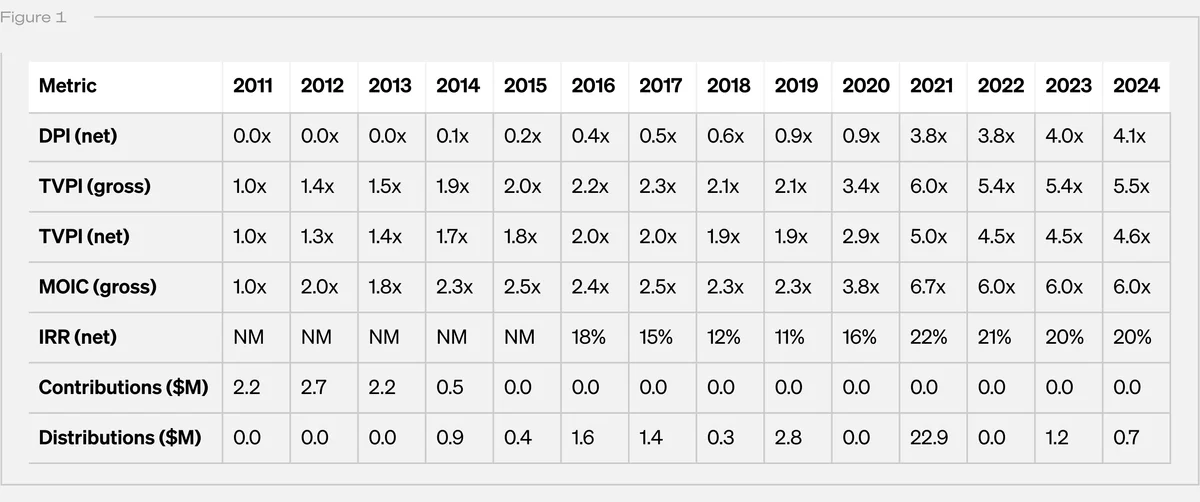
The author discusses the importance of understanding venture returns metrics, particularly for early-stage funds, and how they evolve over time. To illustrate this, they share data from Collaborative's first fund, a 2011 vintage that is now nearly fully realized. The fund had a small size of $8M deployed across 50 investments, with check sizes ranging from $10K to $400K. The fund's performance metrics show a strong overall performance, with a 4.1x net DPI, which is solidly top-decile. The fund's returns were highly concentrated, with eight companies driving nearly all distributions, and one company alone contributing 73% of all cash returned. The author notes that the power law is at work, where a small number of companies drive the bulk of returns, and that capital efficiency is key, as less than $1M invested in the top eight companies generated $37.6M in returns. The author also highlights that check size does not necessarily correlate with upside, and that winner variance is high, with multiples ranging from 1.4x to 115x. The post serves as a reminder to take venture performance narratives based on unrealized funds with a grain of salt, as many trends may fade or reverse as funds mature. The author concludes that the biggest risk in early-stage VC is missing or mis-sizing the outlier, and that a small number of companies can drive the bulk of returns.
CdXz5zHNQW_KTZkE1g4cy.png

"Reproducing the conditions that made Sequoia’s hallways electric"

Collaborative Fund has launched AIR, a new accelerator for design-led AI products, inspired by institutions that reshaped creative possibility in their time. As part of the recruitment process, they spoke to Tom McMurray, former General Partner at Sequoia, who helped shape Silicon Valley's first golden age. McMurray shared his insights on pattern recognition, capital discipline, and why he's an investor in AIR. He explained that Sequoia's success was due to their expertise in semiconductors and enterprise software, which allowed them to understand the real risks in companies they invested in. He also shared the story of how Sequoia invested in Nvidia, which was a key moment in their history. When asked about AIR, McMurray said that it reproduces the conditions that made Sequoia's hallways electric in the '90s, bringing together builders, and designers who argue, prototype, and iterate in the same room. He advised AIR founders to lean on their wins, learn from them, and apply it as they expand and iterate. McMurray also shared his thoughts on AI, saying that jobs evolve faster than they evaporate, and bias follows data, not silicon. Finally, he said that the most important question to ask a founder is to identify the single critical factor that determines success, which he calls the "Sequoia Moment".
CdXz5zHNQW_D9cHNzHBBv.jpeg

Very Bad Advice

Charlie Munger once advised a boy to avoid certain behaviors that can lead to misery, such as doing cocaine or racing trains. It's often easier to identify what can bring misery than what can bring joy. Instead of focusing on how to get ahead, it can be helpful to focus on how to not fall back. Munger also provided a list of bad advice, including allowing expectations to grow faster than income, envying others' success, and pursuing status at the expense of independence. He also cautioned against mimicking others' strategies, associating net worth with self-worth, and letting envy guide goals. Additionally, Munger advised against assuming wealth is equivalent to wisdom, viewing every conversation as a competition, and assuming people care about where one went to school. He also warned against prioritizing defending beliefs over learning, assuming the past was golden, and believing that all success is due to hard work and all failure is due to bad luck.

Different Kinds of Smart

Jeff Bezos notes that there are many kinds of smart, and Long Term Capital Management's failure despite its academic smarts highlights the importance of nuanced types of intelligence. Intelligence is not just about solving problems, but about getting things done, which requires more than math proofs and rote memorization. There are different kinds of smarts, including humility, imagination, and accepting that multiple fields influence decisions. Being an expert in one field is not enough, but connecting the dots between disciplines is crucial. A barbell personality with confidence and paranoia is essential, as it allows for bold moves while prioritizing survival. Understanding that stories, not just facts, persuade people is a key aspect of influence. Humility in recognizing one's limited experience and potential wrongness is vital. Recognizing that intelligence does not equal understanding or relating to others is a subtle form of smarts. Finally, convincing oneself and others to forgo instant gratification through strategic distraction is essential for long-term thinking.

The Consumer AI Revolution Won’t Be Technical. It’ll Be Emotional.

The internet and smartphones revolutionized technology, but AI is accelerating even faster, with millions of people interacting with it daily. The most impactful changes will occur at the interface, brand, and emotional resonance levels, not just technical performance. The tools that stick will be intuitive, culturally fluent, and feel like they belong in our lives. Token costs are falling, making it cheaper for developers to build consumer AI apps, and the technical moat is evaporating. Consumers don't care about model size, but whether AI helps them get through the day with less friction. Current apps like Gmail and iCalendar feel immovable and brittle, and consumer apps will be about escaping the tired web of buttons and dropdowns and anticipating context. The real opportunity is in ambient, embedded, and invisible tools that behave like teammates, not software. The winners will look like Nike or Pixar, emotionally fluent, culturally embedded, and behavior-shaping machines hiding in plain sight. In the next 18-24 months, most consumer AI experiments will flop, but a few teams will get it right, combining cultural intuition with technical leverage and designing for feelings, not features. The best consumer AI product won't wow with intelligence but earn trust and never ask for attention.

What Comes Next Isn’t a Product. It’s a Provocation.

The MIT Media Lab is celebrating its 40th anniversary, a place that was created to make space for new and unconventional ideas. The lab was designed to be interdisciplinary, bringing together people from different fields who didn't fit into traditional departments. Its purpose was to explore how computers could impact everyday life, not just computing, but living. The lab's approach was to develop solutions without knowing the problems, allowing for breakthroughs to happen at the edges of conventional thinking. This approach is similar to other innovative institutions like Bauhaus, Black Mountain College, and Bell Labs, which attracted visionaries and outsiders. Today, we are at a moment that requires a similar response, with the emergence of AI, which is not just a faster way to do things, but a new medium for thought, interaction, and aesthetics. However, instead of treating AI as a new substrate for thought, we are using it to reinforce legacy systems, rather than challenging assumptions. What is needed are new models that combine friction between disciplines, treat computation as a raw material, and allow design to lead, such as the AI Residency in New York. The goal of these efforts is not to create more apps, but to ask better questions and create new literacies, and to understand the impact of AI on human relationships and understanding. The future of technology will be determined by small groups with unusual perspectives and the freedom to follow them, and we should support the pursuit of these groups and build spaces that make them possible.

A Few Questions

The questions explore the basis of personal beliefs, comparing firsthand and secondhand knowledge. They examine the definition of a good life independent of social comparison. The self-reflection probes biases in judging others and envy's deceptive nature. It assesses the accuracy of self-prediction regarding risk and the true motivations behind desires, particularly concerning wealth. The exercise delves into the influence of culture and conformity on personal principles and actions. It encourages examination of hidden motivations, such as seeking approval and conforming to group norms. The questions prompt a critical evaluation of personal values and their susceptibility to external pressures. Finally, they encourage a frank assessment of regrets, addiction to instant gratification, and the legacy one is building.

Top-Decile Returns for Sesame Street

Collab+Sesame, a venture fund, launched in 2016 with the goal of transforming the kids' space through tech innovation. They partnered with Sesame Street's Endowment, leveraging its brand and research for investment opportunities. The fund's performance through March 31, 2025, shows impressive returns, including a 5.3x Net TVPI and 2.6x Net DPI. These metrics place Collab+Sesame in the top decile among global venture capital funds. The fund has backed successful companies like Lovevery and Outschool, contributing to their success. Beyond financial gains, the returns support research and initiatives benefiting millions of children worldwide. Collab+Sesame demonstrates that combining investment discipline with a strong mission can yield both financial and social impact. The fund's journey began with inspiration from ImagineK12. The provided data reflects past performance, and future results are not guaranteed. The document also includes important disclaimers regarding investment risks and the nature of the fund's data.

My Thoughts on Tariffs, Economic History, and the Market Decline

The podcast host explains the origin of their business name, Long Term Words, LLC, which reflects their goal of writing about timeless topics that remain relevant for decades. However, in this episode, they will discuss a timely topic: tariffs and their impact on the market. The host believes tariffs are a terrible idea, but respects opposing views and acknowledges that everyone sees the world through their own unique lens. As a free market person, the host understands the need for regulation and tariffs in certain situations, but thinks the current implementation is backwards. The host uses an analogy of refined sugar in nutrition science to explain that tariffs are widely agreed upon as bad for the economy, raising prices for consumers and making manufacturers less competitive. They explain the value of specialization and trade, using the example of hiring a plumber, and how this principle applies to international trade. The host notes that the US has lost manufacturing jobs over the past 50 years, but argues that automation, not outsourcing, is the main culprit. They cite examples of factories increasing production with fewer workers, including a US steel factory and Tesla's automated assembly lines. The host concludes that even if manufacturing capacity returns to the US, it will not bring back the same level of employment as in the past due to automation.

Turning $5M Into $100M

In 2015, Collaborative Fund invested $5 million in a single startup, which returned over $100 million, quadrupling the entire fund. This outcome was not just lucky, but a deliberate choice rooted in conviction. Venture capital returns follow a power law, where a tiny fraction of investments generate the majority of returns. The challenge is structuring a portfolio to catch at least one breakout outcome without over-diversifying and diluting returns. Many funds use math to guide portfolio construction, but no model perfectly captures the reality of venture capital. The Kelly Criterion, back of the envelope power law math, and Monte Carlo simulations are some of the frameworks used, but each has its limitations. These models suggest that early-stage funds should aim for 25-40 investments per fund to balance the potential for capturing breakout winners while avoiding excessive dilution. However, portfolio construction is not just math, but strategy, and conviction plays a significant role in making investment decisions. The decision to allocate $5 million to a single company was not model-driven, but based on conviction, and this experience reinforced the importance of conviction in portfolio construction.

Beautiful vs. Practical Advice

The term "magazine architect" refers to architects who design buildings that look beautiful and win awards but lack functionality for the tenants. These buildings often have intricate roofs that leak, oddly shaped structures that are inflexible, and fancy materials that are hard to maintain. The book "How Buildings Learn" argues that architects prioritize art over functionality, which can lead to buildings that are admired by everyone except their occupants. In contrast, office buildings with happy tenants tend to be simple, rectangular, and practical. This dichotomy between beautiful and practical design can be applied to other areas of life, such as finance. Financial professionals may prioritize their own career advancement over their clients' needs, leading to advice that sounds good but lacks practical purpose. Additionally, no two people have the same financial needs, and what works for one person may not work for another. As a result, people often default to complex and beautiful financial advice rather than practical and simple solutions. The author argues that there is beauty in practicality and that what works for an individual is more important than what looks good on paper.

Pure Independence

Independence and purpose are key components of a fulfilling life, with independence being a more universal desire that transcends cultures and generations. A personal anecdote about a shy child learning to order ice cream independently illustrates the importance of teaching children to be self-sufficient. This experience highlights the psychological rewards of independence, which can be more satisfying than doing the same task with guidance. Independence is not just a financial goal, but also encompasses moral, cultural, and intellectual freedom. Achieving independence allows individuals to recognize their individuality and make decisions that align with their own goals and values, rather than conforming to societal expectations. Independence in thought and philosophy is just as important as financial independence, and it's essential to constantly reflect on one's values and goals to avoid mimicking others. When individuals are independent, they feel less pressure to impress strangers, which can be a significant financial and psychological cost. Independence does not mean ignoring others' opinions, but rather strategically deciding whose attention and validation are important. Financial independence does not necessarily mean stopping work, but rather having the freedom to choose one's work and pursue it on one's own terms.

The Quiet Beverage Bet Outpacing AI Hype: How OLIPOP’s Investors Are Winning

A soda company called OLIPOP, founded in Oakland, California, is on track to reach $500M in sales in 2024, up from $200M in 2023 and $70M in 2022. Despite being a relatively unknown company, OLIPOP's returns are outperforming those of OpenAI, a highly influential AI company. OpenAI's early investors are expected to see a 189x return on their investment, while OLIPOP's early investors are expected to see a 256x return. OpenAI's returns are capped at 100x, but this cap may be removed as the company transitions to a for-profit public benefit corporation. OLIPOP's valuation is estimated to be $5B, with seed investors holding a 13% stake worth $639M. OpenAI's unit economics are challenging, with high inference compute costs and a large base of free-tier users, leading to projected losses of $44B from 2023 to 2028. In contrast, OLIPOP has straightforward unit economics and is already fully profitable, with a more flexible path to exit. The comparison between OpenAI and OLIPOP highlights the importance of entry price, timing, and unit economics in achieving high returns. The article concludes that exceptional returns can come from unexpected places, and investors should be open to recognizing opportunities in less flashy businesses.
CdXz5zHNQW_5709ORjW8Y.png

Minimum Levels of Stress

In the aftermath of the 9/11 terrorist attacks, members of Congress came together to sing God Bless America, showcasing unity in the face of a devastating threat. This unity is unlikely to be seen today due to the current state of politics, but it's possible that in the face of another existential crisis, people would put aside their differences. Historically, people have come together in times of great threat, and it's likely that this would happen again. The current state of politics is petty and angry, but this may be due to the fact that life is relatively good for many people, with low unemployment, high household wealth, and innovation. As the world improves, people's threshold for complaining drops, and they focus on smaller, often trivial problems. This is because people have a minimum level of stress and will always find something to worry about, no matter how small. This phenomenon is known as Concept Creep, where the definition of a problem expands beyond its original boundaries, making it seem like the world is getting worse. However, this can also be seen as a sign of progress, as people are no longer dealing with major issues and are instead focusing on smaller problems. Stress and anxiety can be motivating forces, and people are naturally problem solvers, but this can also lead to seeing trouble where none exists. Ultimately, the fact that people are arguing over seemingly trivial issues may be a sign that the world is actually improving.

I Have A Few Questions

The questions posed are relevant to everyone and can be applied to various aspects of life. They encourage introspection and challenge one's beliefs and assumptions. For instance, one should consider who they dismiss due to lack of articulation, and what they haven't experienced firsthand that makes them naive. It's also important to question one's own biases and whether they would hold the same views if born in a different country or generation. These questions also prompt consideration of potential future trends, the impact of external factors on personal achievements, and the possibility that those admired may be secretly unhappy.

America's Superpower

The United States recently concluded its 60th presidential election, and every American should be thankful for this democratic process. Despite the tension and division that comes with elections, they allow Americans to choose their destiny and shape the country's future. This "optionality" is a unique superpower that sets America apart from countries like Argentina, which suffered a historic decline after losing its optionality due to one-party rule. Countries with vibrant democracies, such as Australia, Denmark, and the UK, have less corruption, more balanced economies, and strong alliances with the US. The absence of optionality in China has led to depressed consumer confidence, capital outflows, and languishing equity markets, making it un-investable. However, if China reverts to a system of term limits, it could see significant improvements, as seen in Argentina after the election of Javier Milei. The cost of elections is well worth it for the benefits they bring.

A Message From the Past (Thoughts on Nostalgia)

The author reflects on their past experiences and realizes that their memories are often disconnected from their actual feelings at the time. They remember their early twenties as a period of happiness and tranquility, but in reality, they were filled with anxiety and fear about their career and relationships. The author's wife corrects their nostalgic view, pointing out that they were actually quite miserable during that time. This misconception is attributed to the fact that we know how the story ends, which makes past events seem less uncertain and less worrying than they actually were. The author also shares their experience of buying a new house and how they initially felt nostalgic for the cheaper home prices in 2009, forgetting the terrible economy and high unemployment at the time. They note that Americans often romanticize the 1950s, overlooking the fear of nuclear war and other issues of the era. Similarly, people often look back on the 1990s and early 2000s as the best time to be alive, but forget the recession, wars, and other challenges of that period. The author believes that understanding this misconception is crucial for economic history, as it helps us realize that the past wasn't as good as we remember, the present isn't as bad as we think, and the future will be better than we anticipate.

Your Way Is the Only Way

The ultimate measure of success is achieving what you want in life, but it's often difficult to discern what that is because it's easy to mimic others' desires. Two talented writers joined major media companies and lost their unique voices and styles, becoming mediocre employees instead of artists. This illustrates the importance of recognizing individuality and not forcing someone to be someone they're not. Financial decisions, like investments and spending, should be tailored to one's personality, skills, and goals. Comparing oneself to others can lead to unnecessary stress and poor choices. Embracing one's uniqueness allows for better work, personal growth, and a higher chance of achieving life goals.

Take Something Away

Ryan McFarland created the Strider Bike, a pedal-less bike that teaches balance, solving the challenge of teaching kids to ride. This approach highlights the power of subtracting instead of adding. In other areas, excessive addition has hindered progress. In healthcare, prioritizing medication over identifying and removing causes overlooks the effectiveness of subtraction. In software, the "Mythical Man Month" suggests adding more people to a complex project often slows it down. Starbucks' hyper-customization led to poor service, employee turnover, and mistakes. Chipotle's success shows that focusing on fewer options can maximize efficiency and quality. In investing, adding complexity can lead to vulnerability, liquidity loss, and forced decisions. Removing investments and focusing on a few high-conviction positions can improve performance. Simplifying life by reducing distractions can lead to increased focus, happiness, and overall well-being. The current era of excessive information, stuff, and choices calls for embracing subtraction as a path to improvement.

Cumulative vs. Cyclical Knowledge

In the 19th century, American doctors' disbelief in germ theory contributed to President Garfield's death, illustrating the significant shift in medical knowledge over time. While medical advancements have progressed significantly, our understanding of finance and human behavior remains cyclical. Ancient financial writings, such as those by William Dawson and Earnest Hemingway, resonate with modern readers, suggesting that human struggles with money are timeless. Unlike quantifiable fields like physics, topics involving human behavior, such as finance, lack definitive answers, making knowledge transmission challenging. Individual experiences and changing economic circumstances further complicate the transfer of financial wisdom. This cyclical nature of financial knowledge means that economic volatility and human financial mistakes are inevitable, despite the availability of past lessons. The subjective and nuanced aspects of finance prevent the establishment of universal financial laws. Understanding this cyclical knowledge and accepting its inherent fragility are crucial for navigating financial decision-making. While progress may be limited, learning from past mistakes and embracing the dynamic nature of financial knowledge can mitigate potential pitfalls. Despite the absence of scientific certainties in finance, the human experience and collective wisdom can provide guidance in the face of uncertainty.

A Number From Today and A Story About Tomorrow

All forecasts rely on a combination of current data and assumptions about the future, essentially multiplying known numbers with narratives about what might happen. This applies to various fields, including investment valuations, economic outlooks, and political forecasts. While the current data may be concrete, the narrative often reflects personal beliefs or desired outcomes, leading to potential biases in the forecasting process. Even when grounded in historical data, forecasts involve an element of storytelling, as we try to predict human behavior and the impact of unforeseen events. The human tendency to seek confirmation bias further complicates forecasting, as people interpret information through the lens of their existing beliefs. This emphasizes the importance of acknowledging the role of subjective narratives in forecasts and maintaining a healthy skepticism towards predictions. Recognizing that forecasts are not guarantees but rather possibilities allows for flexibility and adaptation in the face of changing circumstances. Furthermore, understanding the narratives that influence others' decisions is crucial, as these narratives often shape actions and outcomes. Finally, low interest rates can amplify the impact of speculative narratives, as investors focus more heavily on potential future growth rather than immediate returns.

A Few Little Ideas And Short Stories

- Focus on creating a quality product as the primary marketing strategy. - Authenticity and skill development are crucial for credibility. - Beware of false or exaggerated investment advice. - True criticism can trigger anger due to perceived identity threat. - Successful individuals prioritize work over publicity. - Political forecasts are often unreliable due to unexpected events. - Embrace discomfort and challenges for balanced progress. - Explore unsexy areas for unique opportunities and ideas. - Be realistic but optimistic about business ventures. - Honesty and transparency are valued over blind cheerleading. - Perspectives shape perceptions, as seen in the "pessimist vs. optimist" tale. - Price changes can elicit strong emotional reactions, even for reasonable adjustments. - Evergreen content with lasting relevance outperforms short-lived trending ideas. - Life decisions should be made with an awareness of the transient nature of human memory.

Fill The Bathtub

The search for truth has become increasingly difficult due to overwhelming information and widespread misinformation. Trust is essential for navigating this uncertainty, but it has eroded as incentives drive people to stretch or even fabricate the truth. While technology offers potential solutions, it has also contributed to the erosion of trust. To regain trust, it is crucial to adopt a long-term perspective and seek out individuals and organizations committed to gradually building trust through consistent integrity. This requires patience and a willingness to resist the allure of instant gratification. Charlie Munger emphasizes the importance of hiring trustworthy individuals first, as trust fosters efficiency and loyalty. By creating a "seamless web" of trusted people, Berkshire Hathaway has achieved significant advantages and built a strong long-term performance track record. Today, there is a growing desire for truth and authenticity. People seek transparency, honesty, and a focus on long-term sustainability. By embracing this shift, individuals and organizations can earn trust and fill the "empty tub" of our current society. This process requires time and effort, but the rewards are substantial, including stronger relationships, increased confidence, and a more fulfilling sense of purpose.

Makes You Think

Predicting fragility is easier than predicting harm. Survival is the ultimate metric for success. Lack of historical knowledge makes events seem unprecedented. Understanding long-term consequences defines wisdom. External recognition does not always reflect true worth. Advantages can become disadvantages over time. Removing irrational ideas requires understanding their origins. Stories are more persuasive than arguments. Comfort can lead to isolation and disconnect. Technology's uses are often discovered after its invention. Understanding behavior requires context. Irrationality may be due to an incorrect definition of rationality. Crazy ideas can come from unconventional minds. Setting up systems for success minimizes failures. Young brains explore, while old brains exploit. Avoiding jealousy enhances work admiration. Objectivity is an illusion. Historical narratives focus on the exceptional, not the ordinary. Discounting societal negativity is a path to fulfillment. Reading enriches life regardless of literacy. Underemployment can foster productive research. Ignoring historical lessons is perilous. Enjoying half of one's work life is a rare achievement. Risk involves potential outcomes beyond expectations. Complex systems evolve from simpler ones, and designed systems often fail. Belief can facilitate perception. History should be engaging to appeal to readers. People resist uncomfortable truths. Service is often overlooked in business. Pessimism in youth is discouraging.

Quiet Compounding

Quiet compounding involves investing patiently over time, focusing on personal goals rather than external comparisons. It emphasizes internal benchmarks, accepting individual differences, and prioritizing independence over social validation. This approach involves a long-term mindset, focusing on durability rather than short-term comparisons. By avoiding the influence of others, individuals can make financial decisions aligned with their own values and aspirations. Quiet compounding enables individuals to live more fulfilling lives, free from the pressures of social comparison and external validation. It leads to impressive results over time, similar to the gradual growth of towering natural wonders. It's a quiet and personal approach that allows individuals to use money as a tool to enhance their lives rather than a measure of success.

Useful and Overlooked Skills

Despite his physical limitations, Franklin Roosevelt's ability to accept setbacks and adapt highlighted the value of embracing inconvenience. Overlooked skills include acknowledging the influence of desire on beliefs, especially in high-reward situations. Respecting diverse perspectives requires finding common ground to facilitate open dialogue. The ability to engage in meaningful conversations across backgrounds has become a competitive advantage. Conciseness and empathy in declining requests foster positive relationships. Recognizing the role of luck alongside risk acknowledges the limits of control and aids in learning from outcomes. Overlooking luck can distort self-assessment. Respecting both risk and luck enables a balanced perspective on outcomes. Understanding the interplay between skills and behavior allows for personal and professional growth. Navigating conflicting skill sets requires compromise and adaptation.

My Month Without a Smartphone

A concerned father realizes his excessive phone use is a poor example for his son, prompting him to embark on a month-long experiment with a flip phone. The experience reveals significant benefits, including reduced distractions, improved focus, increased awareness, and enhanced engagement with loved ones. Despite minor drawbacks, the father argues that smartphones negatively impact children's mental health, academic performance, and social behavior. He advocates for limiting phone usage in schools and suggests a "detox" period for adults to gain perspective on their own habits. By cutting out non-productive apps and promoting incentives for reducing school-time phone use, parents and educators can mitigate the negative effects of smartphones on children.

Lazy Work, Good Work

John D. Rockefeller, renowned for his silence and solitude, believed that effective decision-making required quiet time for reflection. In today's knowledge-based economy, where "thought jobs" are prevalent, employers often fail to recognize that productive work may not always appear as visible action. Albert Einstein, Mozart, and Bill Gates exemplify the importance of non-traditional work practices for fostering creativity and innovation. Despite the need for tangible deliverables, it is crucial to respect the hidden processes of knowledge work, where ideas often emerge during seemingly unproductive moments. Good work in the 21st century may look lazy but is in fact highly productive. Just as investors judge by process, employers should evaluate knowledge workers based on outcomes rather than the visibility of their work, which often occurs within their own minds. The shift to knowledge work necessitates a reframing of what constitutes productivity, with employers respecting the value of quiet time and non-traditional work practices.

How I Think About Debt

Japanese businesses called "shinise" have endured centuries due to their high cash reserves and low debt. Debt limits the ability to withstand life's uncertainties, which are inevitable. As debt increases, the range of endurable outcomes narrows, reducing flexibility and options. Shinise's financial resilience highlights the importance of holding cash and avoiding debt. Debt not only affects financial vulnerability but also psychological well-being, limiting one's ability to endure challenges. While debt can be a useful tool, it must be used cautiously, recognizing its potential to constrain future choices. A comprehensive understanding of debt as a narrowing of endurable outcomes fosters a responsible approach to its use.