Mozilla Hacks – the Web develo... Note

Mozilla Hacks – the Web developer blog

hacks.mozilla.org is the official blog of Mozilla, the organization behind the popular Firefox web browser. The blog focuses on showcasing various web technologies, coding techniques, and best practices, often featuring tutorials, experiments, and case studies. The site features articles from various authors, including Mozilla developers, engineers, and other industry experts. Topics range from web development, security, and performance optimization to emerging technologies like WebVR, WebAssembly, and more. The website has a clean and minimalistic design, making it easy to navigate and read the content. Articles often include code snippets, demos, and interactive examples, allowing readers to experiment and learn by doing. Some of the main categories on the site include: - Web Development: articles on web development best practices, new features, and emerging technologies - Mozilla: updates on Mozilla projects, products, and initiatives - Developer Tools: tutorials and tips on using developer tools, such as the Firefox Developer Edition - Emerging Technologies: articles on new and experimental web technologies Overall, the Mozilla Hacks blog is a valuable resource for web developers, designers, and anyone interested in staying up-to-date with the latest web technologies and trends.

Thread Of Notes

Announcing Web Serial Support in Firefox

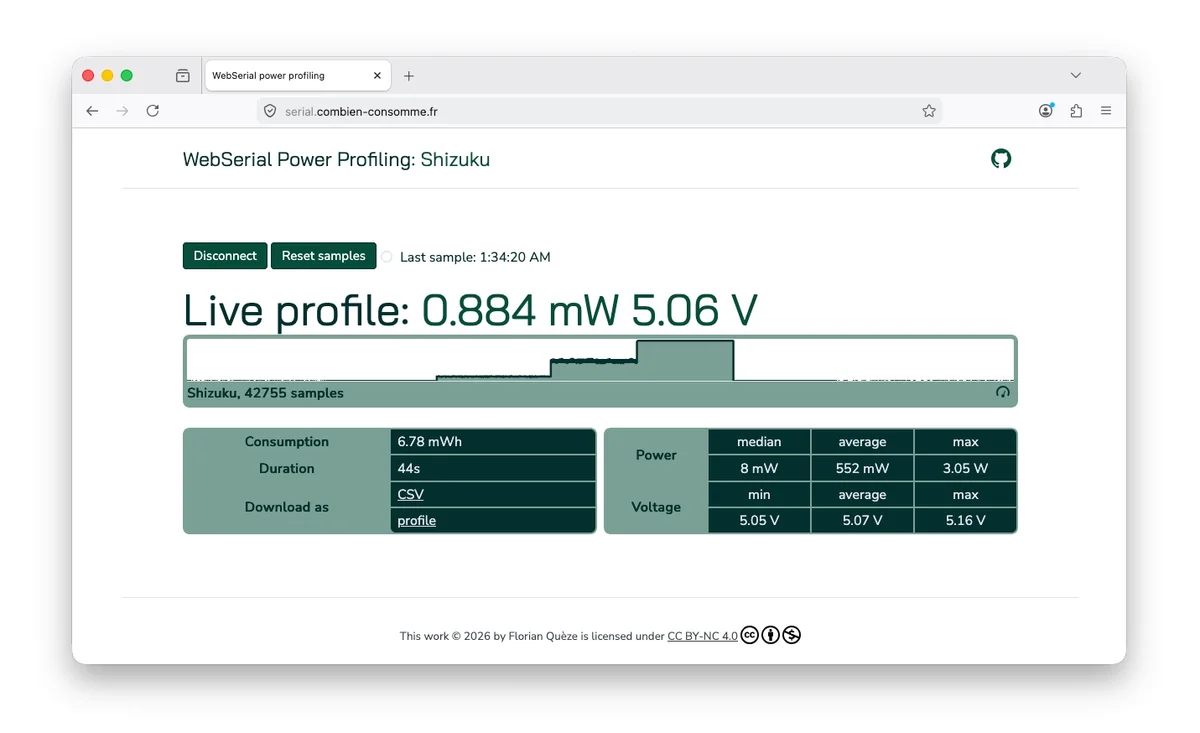
Support for Web Serial in Firefox 151 for Desktop Firefox can now connect directly to microcontrollers, development boards, 3D printers, power meters, and other serial-connected hardware from the web. Starting in Firefox 151 for Desktop, support for the Web Serial API allows web applications to communicate with compatible devices without requiring native software. Web Serial […]
CdXz5zHNQW_X4gMomydvp.jpeg

Trustworthy JavaScript for the Open Web

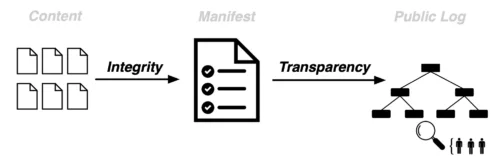
The open web is a critical platform for applications that handle highly sensitive data, from private communications to financial transactions and medical records. Traditionally, servers are trusted to deliver the appropriate code and resources for their web applications to browsers, who then provide a secure and isolated environment for their execution. In some circumstances, this […]
CdXz5zHNQW_N9Wd6c6QU3.png

Firefox Developer Edition and Beta: Try out Mozilla’s .rpm package!

In January, we introduced our Nightly package for RPM-based Linux distributions. Today, we are thrilled to announce it is now available for Firefox Beta! Firefox Beta is great for testing your sites in a version of Firefox that will reach regular users in the coming weeks. If you find any issues, please file them on […]

Goodbye innerHTML, Hello setHTML: Stronger XSS Protection in Firefox 148

Cross-site scripting (XSS) remains one of the most prevalent vulnerabilities on the web. The new standardized Sanitizer API provides a straightforward way for web developers to sanitize untrusted HTML before inserting it into the DOM. Firefox 148 is the first browser to ship this standardized security enhancing API, advancing a safer web for everyone. We […]

Launching Interop 2026

The Interop Project is a cross-browser initiative to improve web compatibility in areas that offer the most benefit to both users and developers. The group, including Apple, Google, Igalia, Microsoft, and Mozilla, takes proposals of features that are well defined in a sufficiently stable web standard, and have good test suite coverage. Then, we come […]

CRLite: Fast, private, and comprehensive certificate revocation checking in Firefox

Firefox is now the first and the only browser to deploy fast and comprehensive certificate revocation checking that does not reveal your browsing activity to anyone (not even to Mozilla). Tens of millions of TLS server certificates are issued each day to secure communications between browsers and websites. These certificates are the cornerstones of ubiquitous […]

Improving Firefox Stability in the Enterprise by Reducing DLL Injection

Beginning in version 138, Firefox will offer an alternative to DLL injection for Data Loss Prevention (DLP) deployments in enterprise environments. DLL Injection DLL injection into Firefox is a topic we’ve covered on the Hacks blog before. In 2023, we blogged about the Firefox capability to let users block third-party DLLs from being loaded. We […]

Launching Interop 2025

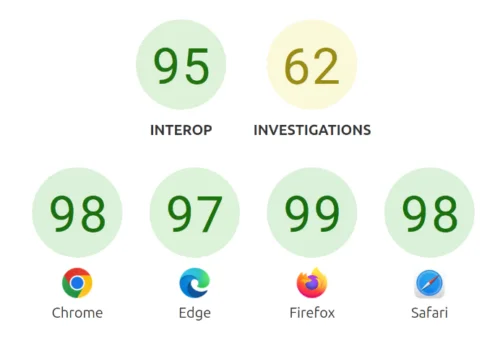
Interop 2025 continues the mission to make the web more consistent across browsers, building on 2024’s 95% interoperability score. This year, 19 focus areas target key developer needs and long-standing issues, including WebRTC improvements, Storage Access API, and CSS Zoom.
CdXz5zHNQW_rMA1E8cFkd.png

Introducing Uniffi for React Native: Rust-Powered Turbo Modules

Today Mozilla and Filament are releasing Uniffi for React Native, a new tool we’ve been using to build React Native Turbo Modules in Rust, under an open source license. This allows millions of developers writing cross-platform React Native apps to use Rust  – a modern programming language known for its safety and performance benefits to […]

Llamafile v0.8.14: a new UI, performance gains, and more

Discover the latest release of Llamafile 0.8.14, an open-source AI tool by Mozilla Builders. With a new command-line chat interface, enhanced performance, and support for powerful models, Llamafile makes it easy to run large language models (LLMs) on your own hardware. Learn more about the updates and how to get involved with this cutting-edge project.

0Din: A GenAI Bug Bounty Program – Securing Tomorrow’s AI Together

As AI continues to evolve, so do the threats against it. As these GenAI systems become more sophisticated and widely adopted, ensuring their security and ethical use becomes paramount. 0Din is a groundbreaking GenAI bug bounty program dedicated specifically to help secure GenAI systems and beyond. In this blog, you'll learn about 0Din, how it works, and how you can participate and make a difference in securing our AI future.

Snapshots for IPC Fuzzing

Process separation remains one of the most important parts of the Firefox security model and securing our IPC (Inter-Process Communication) interfaces is crucial to keep privileges in the different processes separated. We take a more detailed look at our newest tool for finding vulnerabilities in these interfaces – snapshot fuzzing.

Sponsoring sqlite-vec to enable more powerful Local AI applications

Today we’re proud to announce the next Mozilla Builders project: sqlite-vec. Led by independent developer Alex Garcia, this project brings vector search functionality to the beloved SQLite embedded database. Alex has been working on this problem for a while, and we think his latest approach will have a great impact by providing application developers with a powerful new tool for building Local AI applications.

Experimenting with local alt text generation in Firefox Nightly

Firefox 130 will introduce an experimental new capability to automatically generate alt-text for images using a fully private on-device AI model. The feature will be available as part of Firefox’s built-in PDF editor, and our end goal is to make it available in general browsing for users with screen readers.

Llamafile’s progress, four months in

When Mozilla’s Innovation group first launched the llamafile project late last year, we were thrilled by the immediate positive response from open source AI developers. It’s become one of Mozilla’s top three most-favorited repositories on GitHub, attracting a number of contributors, some excellent PRs, and a growing community on our Discord server.

Porting a cross-platform GUI application to Rust

In this blog post, we delve into the motivations for choosing Rust for our crash reporter, outline the unique challenges of designing an application that operates when the main browser has failed, and discuss the new architecture we've implemented. We also share insights into the technical nuances of the implementation, demonstrating how Rust's features are leveraged to handle crashes more effectively and securely.

Improving Performance in Firefox and Across the Web with Speedometer 3

In collaboration with the other major browser engine developers, Mozilla is thrilled to announce Speedometer 3 today. Like previous versions of Speedometer, this benchmark measures what we think matters most for performance online: responsiveness. But today’s release is more open and more challenging than before, and is the best tool for driving browser performance improvements that we’ve ever seen.

Introducing llamafile

We're thrilled to announce the first release of llamafile, inviting the open source community to join this groundbreaking project. With llamafile, you can effortlessly convert large language model (LLM) weights into executables. Imagine transforming a 4GB file of LLM weights into a binary that runs smoothly on six different operating systems, without requiring installation.

Mozilla AI Guide Launch with Summarization Code Example

Mozilla has just launched the AI Guide, a collaborative hub for developers to join forces, inspire each other, and lead the way in groundbreaking generative AI advancements. The AI Guide’s initial focus begins with language models and the aim is to become a collaborative community-driven resource covering other types of models.

So you want to build your own open source ChatGPT-style chatbot…

Artificial intelligence may well prove one of the most impactful and disruptive technologies to come along in years. We want to understand, support, and contribute to these efforts because we believe that they offer one of the best ways to help ensure that the AI systems that emerge are truly trustworthy. With this in mind, a small team within Mozilla’s innovation group recently undertook a hackathon at our headquarters in San Francisco. Our objective: build a Mozilla internal chatbot prototype.