RSS Google AI Blog
Follow
Teaching Gemini to spot exploding stars with just a few examples
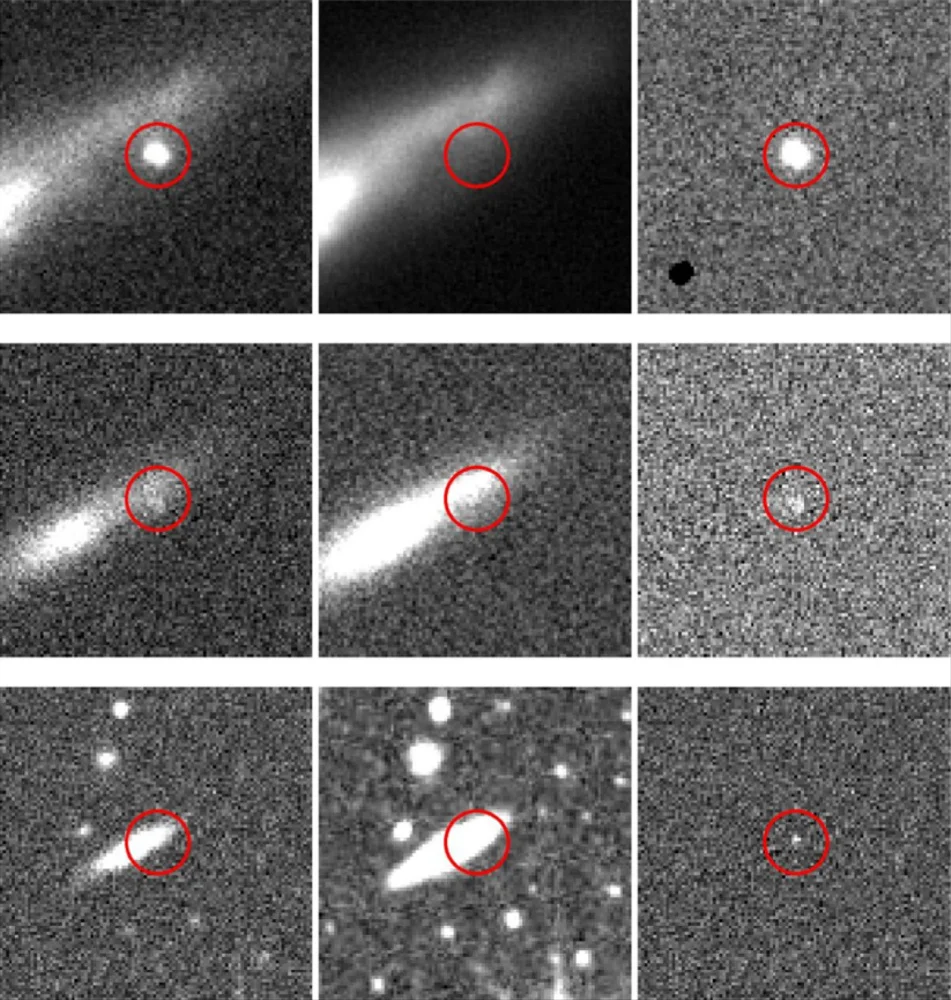
Astronomers face a massive data challenge from modern telescopes, with the majority of alerts being false positives. Specialized machine learning models, like CNNs, used to classify these events often lack explainability, acting as "black boxes." This research explores using Google's Gemini, a multimodal model, to classify astronomical events and provide explanations. The researchers employed few-shot learning, using only 15 labeled examples per survey to train Gemini. Gemini achieved 93% accuracy across three datasets, comparable to specialized models, while explaining its reasoning in plain language. The model generates textual explanations and interest scores, transforming it into a transparent tool that aids scientists. Human astronomers reviewed Gemini's classifications, finding its explanations coherent and helpful. An important finding was Gemini's ability to assess its own uncertainty, flagging potential errors. This capability allows for a human-in-the-loop workflow, focusing scientists' attention. Through iterative feedback, the model's accuracy on the MeerLICHT dataset improved. This approach represents a step toward scientific discovery empowered by explainable AI. The technology has the potential to be rapidly adapted for new instruments and research across different fields. The envisioned "agentic assistants" could integrate data, assess confidence, and prioritize discoveries. The project focuses on empowering researchers to ask the next great scientific question through accessible AI.