That Which We CAN Do: Sustainability in a World of AI
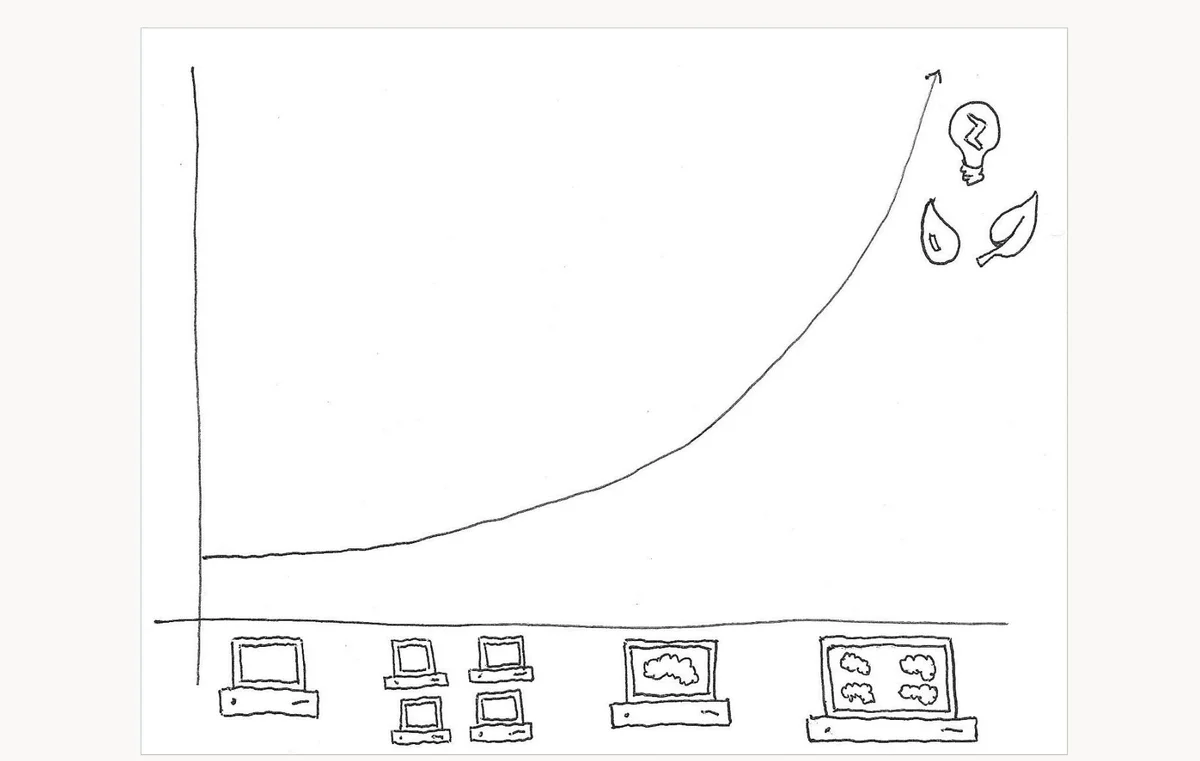
Computing's environmental footprint is growing despite hardware and software efficiency gains due to the rapid increase in AI demand. Measuring this impact is challenging as measurement standards lag behind technological advancements. Etsy is committed to addressing its environmental responsibility, especially with the rise of AI. The company previously achieved a 25% improvement in compute energy efficiency by migrating to Google Cloud Platform (GCP). This move offered advantages like more efficient data centers and reliance on renewable energy sources. However, the transition to the cloud led to a loss of direct energy usage data. Etsy developed an estimation method called "Cloud Jewels" to approximate energy consumption based on billed usage data. Cloud Jewels enabled them to report progress towards their efficiency goals and reduce market-based emissions. Google's introduction of its Carbon Footprint tool provided valuable granular data on GCP energy and emissions. However, challenges remain as Etsy uses AI from various suppliers who do not provide transparent environmental impact data. To address this, Etsy has created a sustainability strategy focusing on catalyzing the industry, influencing the supply chain, and optimizing internal resource use. They are engaging engineers, educating employees, and holding themselves accountable for responsible AI and compute resource management.