15 Best Places to Experience Bioluminescence
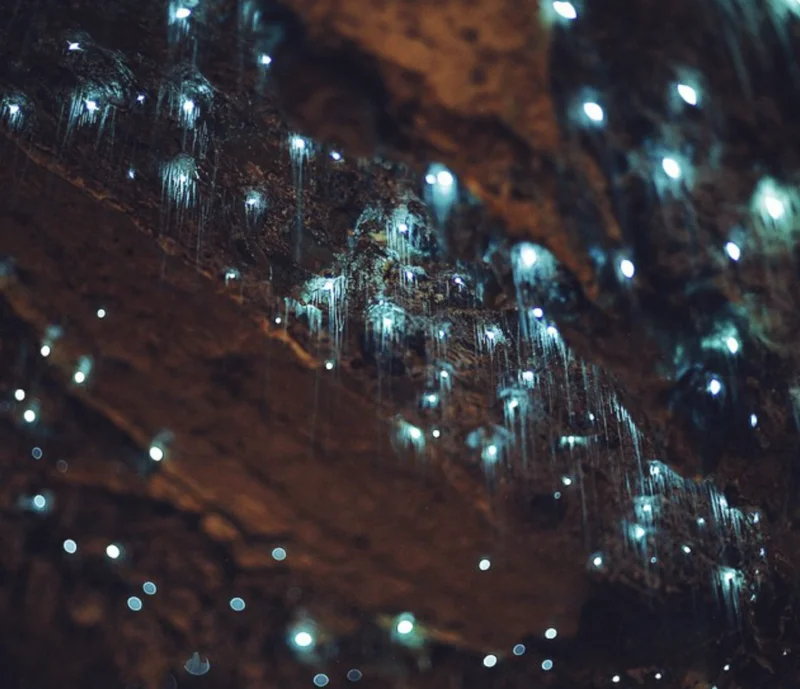
The term "glow worm" encompasses various bioluminescent organisms, including gnat larvae and algae, found globally. These creatures produce light through internal chemical reactions, a phenomenon known as bioluminescence. Bioluminescence has evolved independently over 540 million years and can be observed in unique locations worldwide. New Zealand's Waipu Caves offer a less crowded alternative to Waitomo Caves, showcasing glowworms deep within the caverns. Australia's Glowworm Tunnel, an abandoned railway, is illuminated by a colony of glowworms on its roof. The Maldives' "Sea of Stars" phenomenon features shimmering phytoplankton that glow with the waves. Great Smoky Mountains National Park hosts synchronous fireflies that flash in unison, a rare synchronized flashing event. Newnes Glow Worm Tunnel in Australia is home to fungus gnat larvae that hunt with glowing mucus strings. The Bloody Bay Coral Wall in the Cayman Islands features bioluminescent coral and microscopic organisms visible during night dives. Blue ghost fireflies in North Carolina emit an eerie blue-green light rather than flashing. Jamaica's Glistening Waters lagoon glows due to bioluminescent dinoflagellates, believed in folklore to possess rejuvenating properties. Malaysia's Kampung Kuantan Fireflies Park is known for its synchronized fireflies, though their population has declined. Glowing millipedes in Sequoia National Park use bioluminescence as a warning to predators. Gippsland Lakes in Australia can exhibit bioluminescence from algae blooms, particularly after heavy rains. The Firefly Squid of Toyama Bay, Japan, are small but spectacular, lighting up the water with photophores on their tentacles. Waitomo Glowworm Caves in New Zealand are famous for their starlike glow from bioluminescent larvae. The "Milky Seas" off the coast of Somalia represent the largest known bioluminescent area on Earth, caused by bacteria. Alabama's Dismals Canyon features endemic "Dismalites," gnat larvae that emit a bright blue-green light to attract prey.