Fast Company
Follow
5 smart home devices that save you money (and 3 that are a waste)
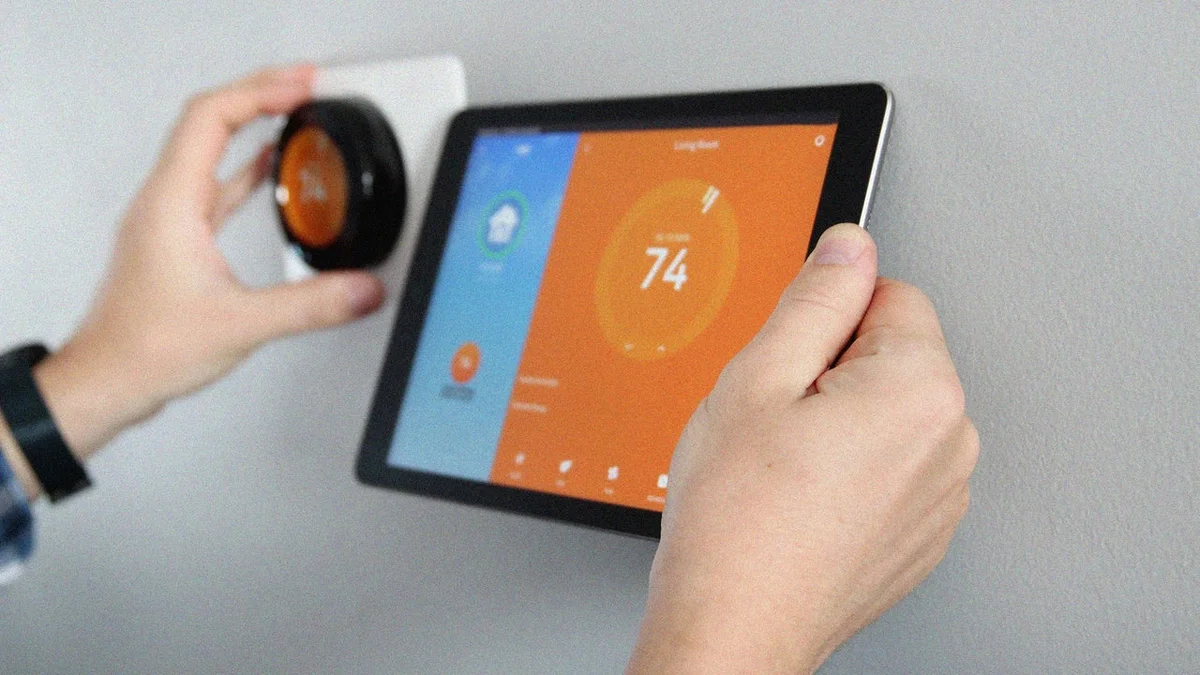
The key to smart home technology is focusing on return on investment, not science fiction aesthetics. Several smart devices can pay for themselves relatively quickly through cost savings. Smart thermostats, for example, optimize heating and cooling by knowing when you're away, leading to significant energy bill reductions. Smart water leak sensors are a worthwhile investment, preventing costly water damage and potentially earning insurance discounts. Smart plugs with energy monitoring help identify and eliminate "vampire draw," saving money on idle electricity consumption. Smart sprinkler controllers use weather data to optimize watering, drastically cutting outdoor water usage. Smart in-wall light switches, especially in high-traffic areas, ensure lights are turned off automatically, complementing efficient LED fixtures.Conversely, some smart gadgets are not financially sound investments. Smart refrigerators with touchscreens offer minimal practical benefits for a substantial price increase. Motorized smart blinds, while luxurious, have an extremely long payback period based on minuscule energy savings. Finally, a plethora of connected appliance dongles and micro-gadgets solve non-existent problems, adding cost and security risks without any tangible benefits.