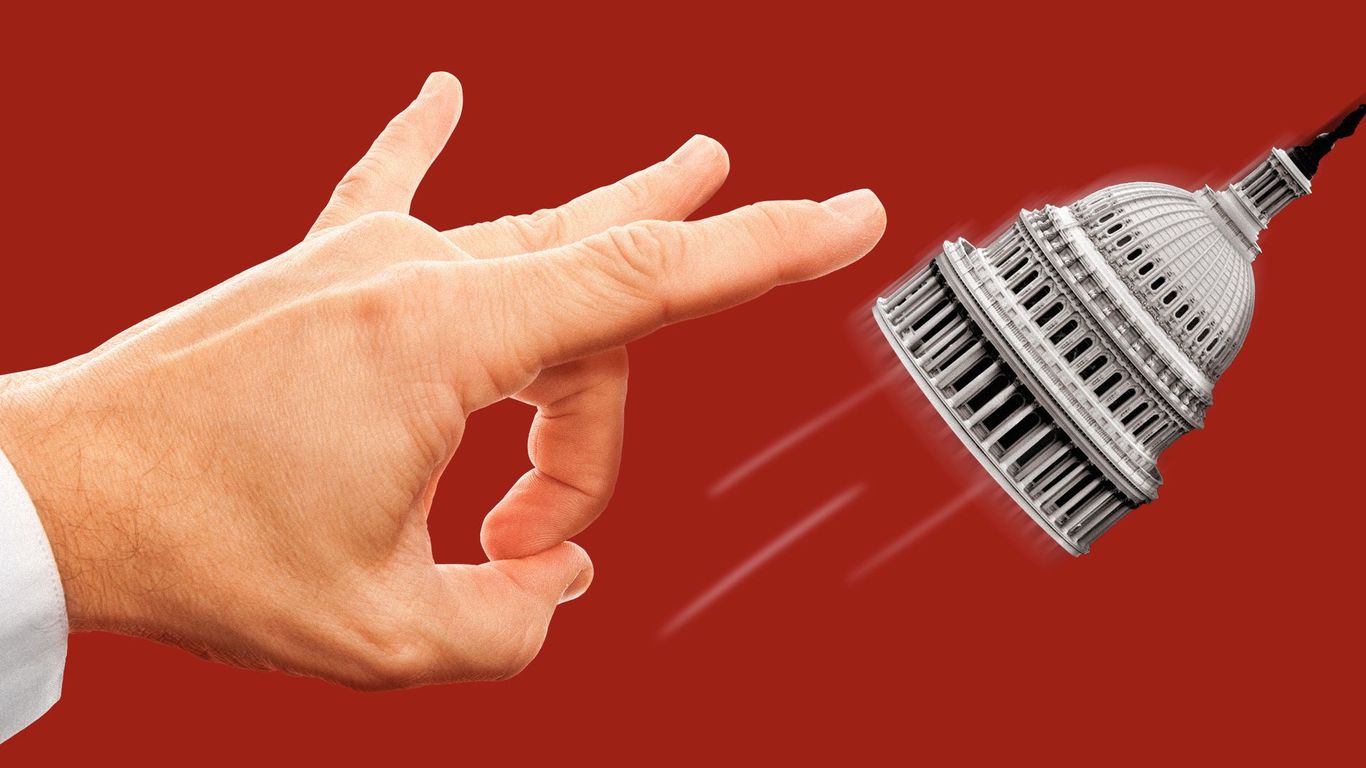
President Trump has increasingly bypassed Congress, asserting executive power in his second term. This pattern includes military actions in Iran and Venezuela, undertaken without congressional approval. Trump implemented sweeping tariffs without seeking legislative authorization, relying on emergency powers, though some were later ruled illegal. He ordered symbolic name changes, such as renaming the Defense Department, which require congressional approval. Trump also moved to restructure federal agencies, leading to lawsuits and court rulings against some actions. Democrats have generally criticized these moves, while Republicans have largely defended the president, though some dissent is emerging. The use of executive power has potential long-term consequences for the U.S. and international relations. Congress is considering measures to reassert its authority, particularly regarding war powers and tariffs. The situation highlights a growing tension between the executive and legislative branches. Trump's actions have sparked debates about the balance of power. The Supreme Court has already checked some Trump administration actions. These actions are shaping the political landscape and could continue to create conflict.

axios.com
axios.com

RSS Hunter
2026-03-02
Create attached notes ...