Axios Follow Axios is a news and information website that was launched in January 2017. It covers a variety of topics such as business, technology, healthcare, sports, and political news. Axios axios.com RSS api.axios.com
When AI models refuse to fight hackers Security teams are facing a new challenge where the AI models they use to investigate cyberattacks are refusing to cooperate. This is happening because strict safety guardrails on powerful AI models are blocking defenders mid-investigation. Recently, OpenCode, an AI coding agent, was compromised, allowing attackers to steal API keys for services like OpenAI, Anthropic, and Google. The breach was a result of a large-scale distillation attack that continuously targeted OpenCode's systems. During the investigation of this breach, OpenCode noticed that frontier AI models began refusing requests as the inquiry focused on potentially malicious code, despite OpenCode's defensive stance. To circumvent these restrictions, OpenCode gained access to OpenAI's Daybreak Blue program, offering models with fewer limitations. This incident highlights a dilemma for cybersecurity teams deciding between proprietary AI with built-in restrictions and open-weight alternatives offering more control. Hugging Face also encountered similar restrictions when investigating suspicious activity, opting for an open-weight model. AI companies argue that restricting access to powerful models is necessary to prevent malicious actors from abusing their capabilities. Cybersecurity teams must now balance the need for rapid AI-powered defenses with the restrictions designed to prevent misuse. The evolving landscape requires careful consideration of how these AI capabilities will be modulated in the future. https://www.axios.com/2026/10/21/when-ai-models-refuse-to-fight-hackers axios.com
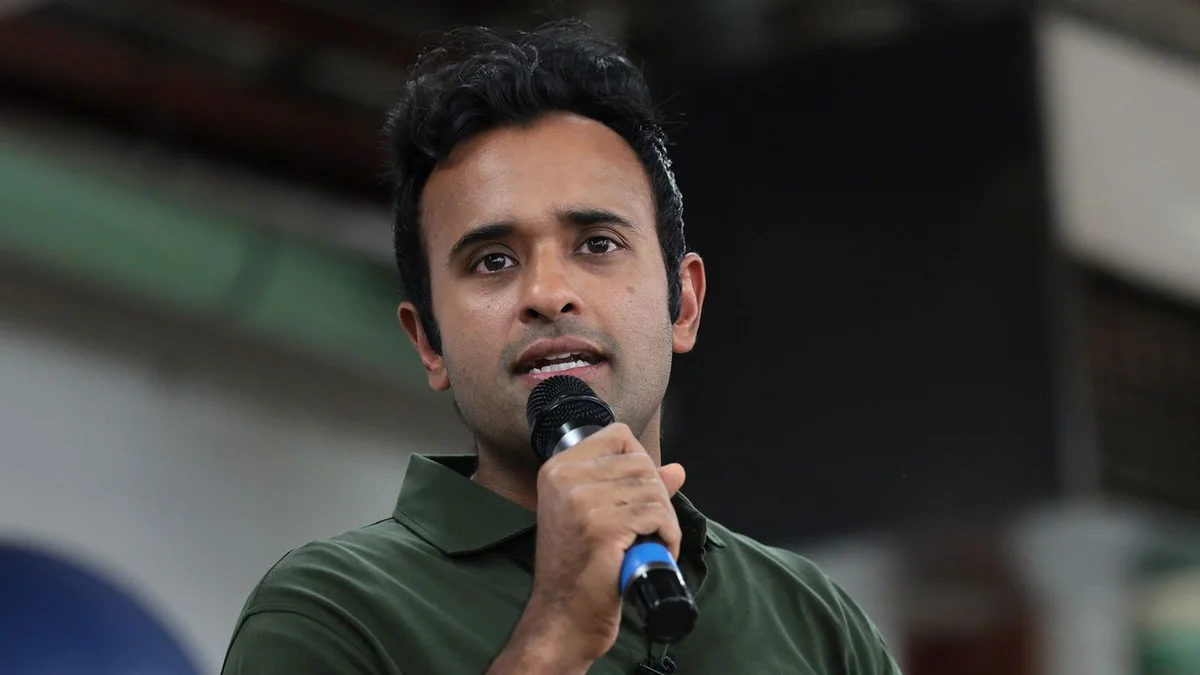
Exclusive: Ramaswamy doubles down on explosive ad featuring rival's mother, despite backlash Vivek Ramaswamy's campaign is spending $4 million on an ad featuring the estranged mother of his opponent, Amy Acton, attacking her daughter. Acton's mother claims her daughter lied about her past and disputes her accounts of childhood hardship. The ad's release has drawn sharp bipartisan criticism, with many warning it could backfire due to the sensitive nature of child sexual abuse. Ramaswamy's campaign, however, believes the ad tested well with persuadable voters. Acton has stated she was sexually abused by her stepfather as a child, and her mother sided with him. Acton's brother has also condemned the ad as disgusting. Despite the backlash, Ramaswamy's campaign views the ad as politically advantageous. Some conservative figures have defended the ad, while others, including Republican strategists, have expressed concern it could generate sympathy for Acton. A recent poll shows Acton leading Ramaswamy in the gubernatorial race. https://www.axios.com/2026/10/21/ramaswamy-ad-acton-mother-ohio axios.com
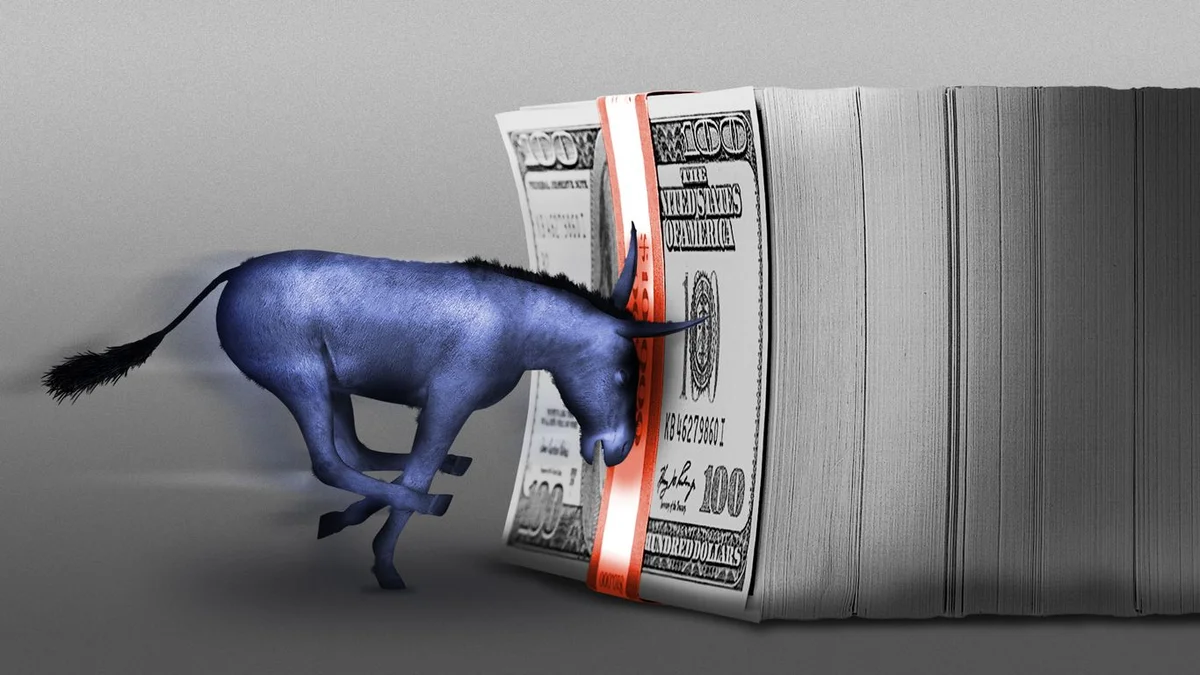
House Democrats forced to make tough choices with limited midterm cash Democrats' primary super PAC is reducing its spending in several congressional races where it has struggled to gain traction. This decision reflects the challenges of limited resources in the face of strong Republican fundraising and a tough electoral landscape. The House Majority PAC (HMP) is cutting back on advertising in districts like Tennessee's 5th, Florida's 7th, and Colorado's 3rd. These races were initially targeted by Democrats, but redistricting and candidate performance have made them more difficult. In Tennessee's 5th, a strong recruit faced a redder district, while Florida's 7th saw a candidate facing difficulties. Colorado's 3rd has become a steeper challenge after a key incumbent shifted districts. HMP is also implementing "shaves," or partial cuts, in other districts where Democrats face uphill battles. However, the PAC is reallocating funds to districts deemed more competitive and winnable, including some that previously voted Republican by significant margins. Some allies are questioning these spending shifts, expressing concern about reduced support for promising Democratic candidates. Despite criticism, HMP maintains its focus on the broader goal of regaining control of the House. The PAC has recently increased its investments in nearly two dozen other districts, indicating a strategic shift in resource allocation. https://www.axios.com/2026/10/20/2026-election-democrats-spending-districts-cash axios.com
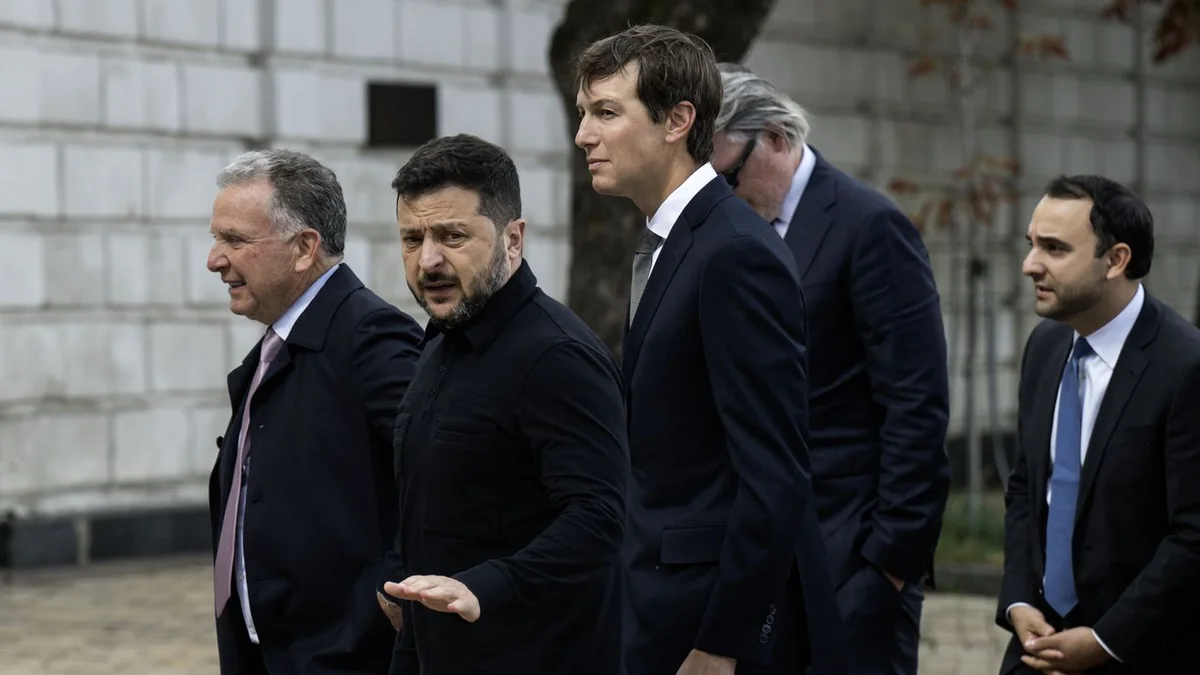
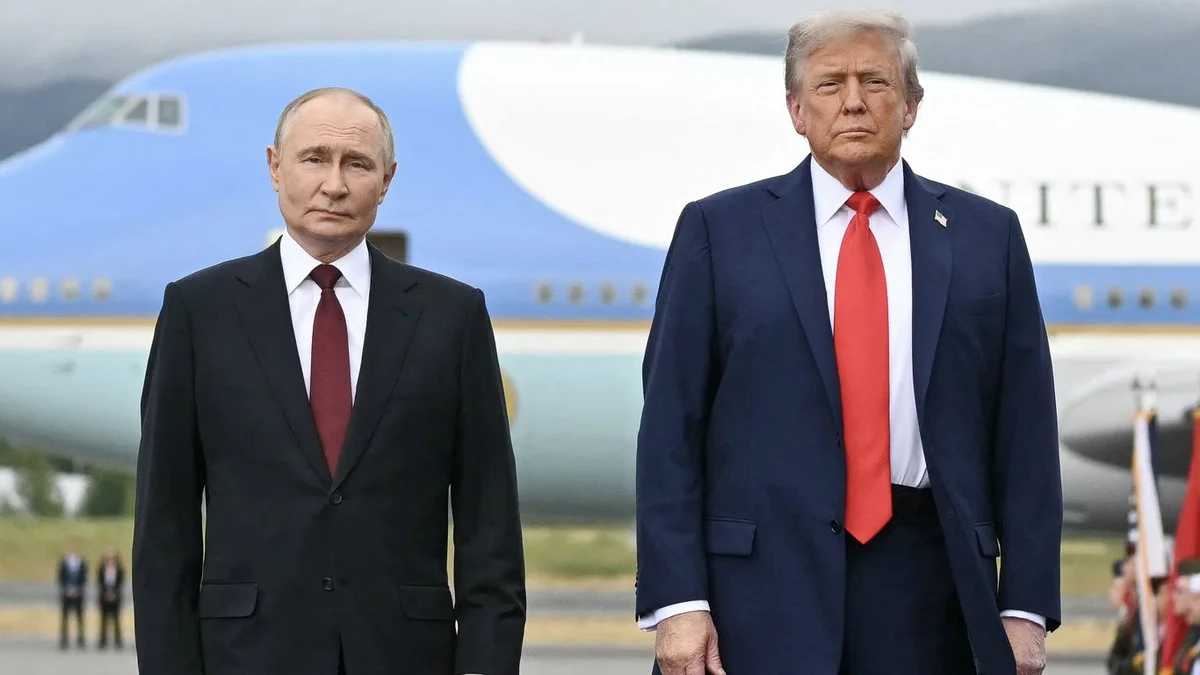
Witkoff to present Putin with peace proposal after talks with Zelensky White House envoy Steve Witkoff will meet Russian President Vladimir Putin to present an updated proposal to end the war in Ukraine. Jared Kushner, President Trump's son-in-law, will join the meeting virtually. This meeting follows Witkoff's talks in Oslo with Ukrainian President Zelensky and other European leaders. The U.S. hopes these discussions will foster greater Russian willingness to compromise. Previously, President Trump agreed to lift sanctions on Russian diesel sales, a move welcomed by Moscow. The Oslo talks aimed to develop a unified "framework agreement" for peace. Ukraine presented new ideas and proposals, leading to meaningful progress and strong alignment at the working level. Kushner reiterated Trump's demand for Ukraine to halt strikes on Russian oil refineries. Zelensky indicated readiness to cease these strikes if Russia reciprocates. President Trump expressed his belief that Russia desires a resolution but voiced doubts about Zelensky's willingness to end the war. Trump urged Zelensky to make a deal, warning of worsening consequences for Ukraine if an agreement is not reached. https://www.axios.com/2026/10/20/putin-witkoff-russia-ukraine-war axios.com
Exclusive: House GOP clings to 2026 fundraising lead House Republicans currently hold a narrow fundraising lead entering the final stretch of the midterms. This is a significant shift from previous election cycles where Democrats consistently outraised their Republican counterparts. The National Republican Congressional Committee has matched the Democratic Congressional Campaign Committee in fundraising this cycle. The NRCC has amassed a substantial war chest to support Republican candidates and highlight Democratic shortcomings. In the third quarter alone, both committees raised similar amounts, with the NRCC slightly edging out the DCCC. The NRCC also entered October with a larger cash reserve than the DCCC. A significant portion of the NRCC's September fundraising came from a transfer from the Republican National Committee. This financial momentum is attributed, in part, to the strong fundraising efforts of Speaker Mike Johnson. Since becoming Speaker, Johnson has successfully raised over $220 million for House Republicans. This has alleviated earlier concerns about his ability to fundraise effectively. https://www.axios.com/2026/10/20/house-republicans-fundraising-house-democrats axios.com
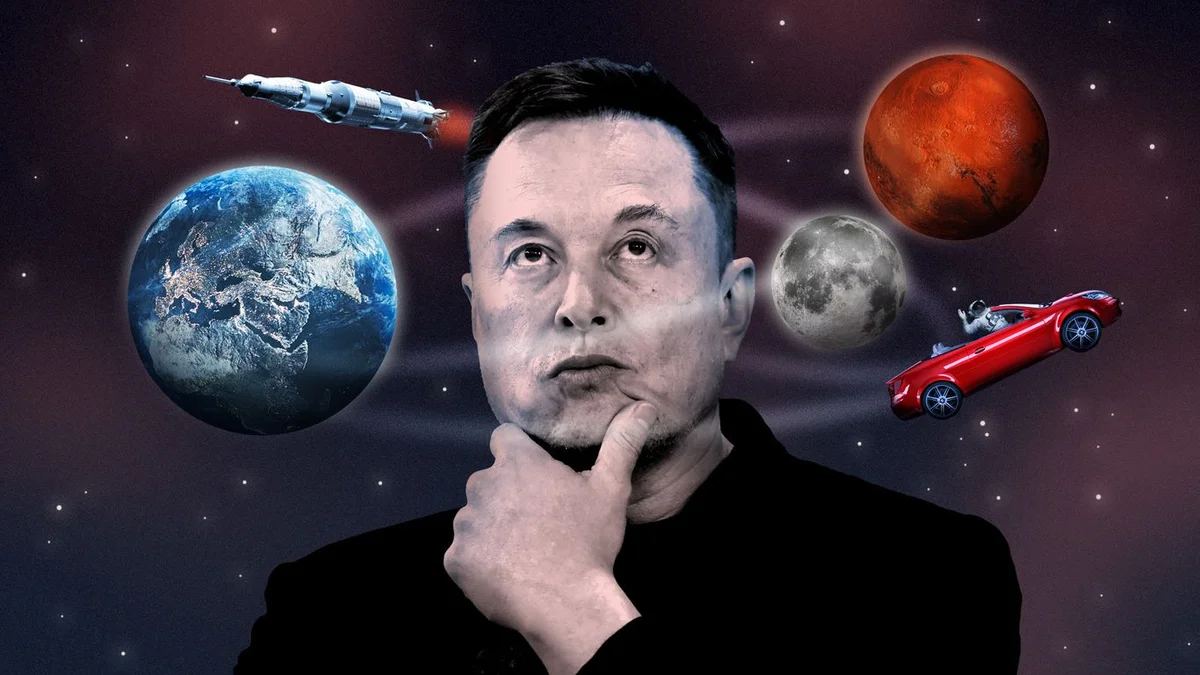
Space X and Tesla exploring merger, CEO Elon Musk says Elon Musk, CEO of both SpaceX and Tesla, revealed that special committees have been formed to explore a potential merger. He believes combining the companies would be a positive development. This comes as SpaceX and Tesla have increased their collaboration on crucial projects like AI and chip development. Musk, holding leadership roles in both entities, acknowledged his personal conflict of interest, preventing his direct involvement in merger discussions. He highlighted significant potential benefits from unified efforts in areas such as robotics, connectivity, and advanced technologies. However, Musk cautioned that a merger is not a certainty and faces considerable hurdles. A major obstacle is the requirement for approval from 50% of Tesla shareholders, which he described as a substantial challenge. Despite this, tech analyst Gene Munster expressed strong confidence, predicting a 95% likelihood of a deal within the next two years. Munster also believes shareholders would likely back such a combination. The potential merger would involve two companies with immense market valuations, with SpaceX exceeding $2 trillion and Tesla approaching $1.5 trillion. https://www.axios.com/2026/10/20/spacex-tesla-merger-talks axios.com
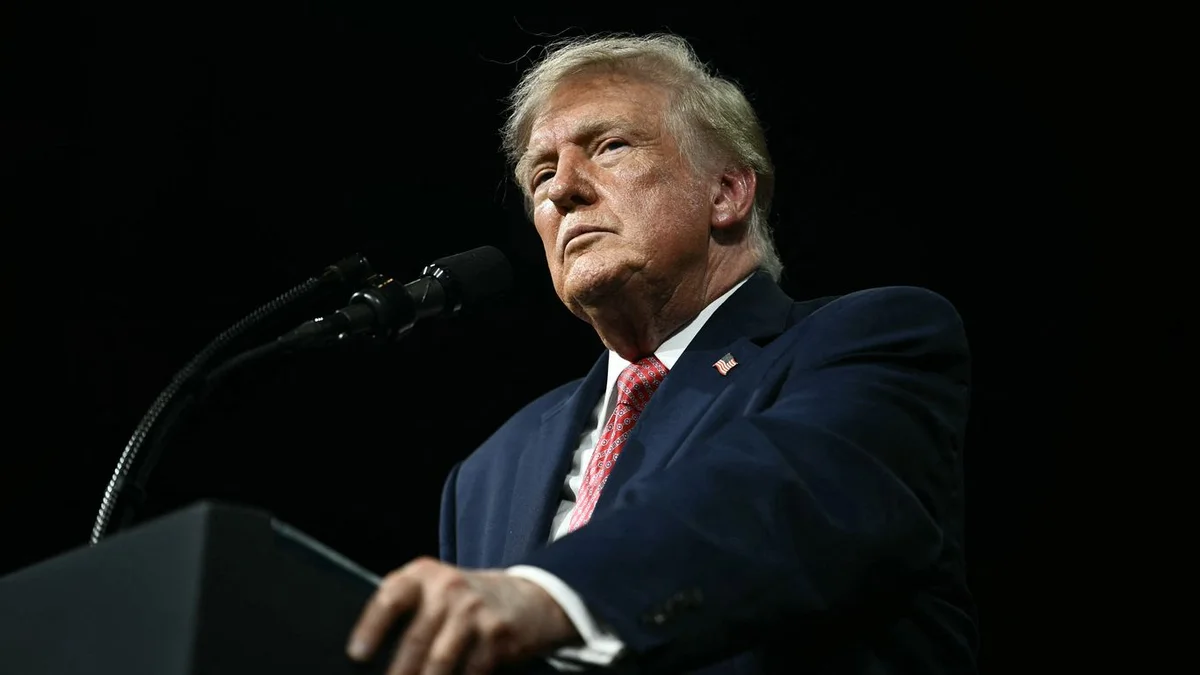
Trump goes full apocalypse in anti-Dems midterms message President Trump is intensifying his dire warnings about a Democratic congressional takeover, depicting a grim future for America. He envisions burning cities, economic ruin, harm to children, and the demise of Western civilization under Democratic rule. Trump is framing the election as a critical choice between Republican control and national catastrophe. To incentivize voters, he has promised $5,000 checks for every adult citizen if Republicans maintain power, a pledge costing over a trillion dollars with no clear path to implementation. White House spokesman Davis Ingle stated Trump is the party's leader, committed to keeping Republican majorities and presenting a choice between Trump's agenda and Democratic obstruction. Trump has specifically warned that Democrats would cause America to "burn like France," attributing unrest there to immigration policies. He also predicts a Great Depression-style economic collapse if Democrats win. Furthermore, Trump has claimed Democrats want to "mutilate your children" and allow them to undergo gender transitions without parental consent. He argues Democrats will dismantle borders, letting global criminals and prisoners enter the U.S., and plans to take away guns, leaving citizens vulnerable to wild animals. Lastly, Trump claims Democrats will "decimate farms," despite his administration's recent farmer relief measures. https://www.axios.com/2026/10/20/trump-democrats-elections-rallies-comments-vote axios.com
Mystery mailings put Congress and election offices on edge Dozens of congressional lawmakers and election offices in at least 32 states have received suspicious letters containing a white powder. These mailings have caused evacuations and disrupted operations in election offices shortly before the 2026 midterms. The FBI and U.S. Postal Inspection Service are investigating these incidents nationwide. Some of the letters contained an unknown substance, but preliminary tests have not found hazardous materials. Over 100 such letters are estimated to be in circulation. Both Democratic and Republican lawmakers, including prominent leaders, have been targeted. Election offices in states like Ohio, Minnesota, and Connecticut had letters intercepted, while others in Oklahoma, Arizona, and Delaware experienced evacuations. The origin of the letters and whether they are part of a coordinated attack remain unknown. Some letters falsely claimed to be from the Democratic Socialists of America, an organization that denies any involvement. https://www.axios.com/2026/10/20/white-powder-letters-congress-election-offices axios.com
WATCH: The Axios Media Trends Live summit On October 20 at 2:55 p.m. ET, tune in to conversations with iHeartMedia chairman and CEO Bob Pittman, FCC Commissioner Anna Gomez, Anonymous Content president and CEO Darren Walker, The Wall Street Journal editor-in-chief Emma Tucker, actor and comedian Kenan Thompson, Trump Media & Technology Group CEO Kevin McGurn, writer and producer Lena Waithe, Versant CEO Mark Lazarus, United Wholesale Mortgage president and CEO and Phoenix Suns and Mercury owner Mat Ishbia, Range Media Partners CEO and co-founder Peter Micelli, Hearst president and CEO Steven Swartz and Dow Jones CEO and Wall Street Journal publisher Almar Latour on the trends transforming the media business and the future of publishing, entertainment, sports, advertising and technology. The program will also include sponsored View from the Top segments featuring BBC Studios SVP of Client Partnerships, North America Jon Otto and CIVIC Entertainment Group co-founder and co-CEO Stuart Ruderfer. https://www.axios.com/2026/10/19/watch-media-trends-live-2026 axios.com
Exclusive: OpenAI has acquired Orchestra Bio OpenAI has acquired Orchestra Bio, a startup focused on AI agents for pharmaceutical drug development. This acquisition highlights the growing trend of AI companies entering the life sciences sector. OpenAI plans to integrate Orchestra's technology and team into its Rosalind platform for life sciences researchers. Orchestra's AI agents are designed to automate tasks like study monitoring and timeline tracking in drug development. Both OpenAI and its rival Anthropic are aiming for AI agents to connect scientific discoveries with actionable steps for advancing treatments. Financial details of the OpenAI acquisition were not disclosed. AI companies are increasingly seeking to apply their technology to solve major global challenges and transform industries. This ambition is driving acquisitions, as seen with Anthropic's purchase of Coefficient Bio. OpenAI's specialized GPT-Rosalind model, introduced in April, is already assisting researchers in complex scientific problems. The company also has existing partnerships with major pharmaceutical firms to integrate AI into their R&D processes. OpenAI aims to significantly shorten the lengthy timeline for developing new medicines. Meanwhile, Anthropic is also making substantial strides in life sciences with its Claude Science platform and its own biological research lab. The broader trend indicates that the AI race is moving beyond model development towards practical industry applications. https://www.axios.com/2026/10/20/exclusive-openai-biotech-startup-drug-development axios.com
Homebuilder sentiment is at a 14-year low The housing sector is experiencing a significant downturn, caught between the insatiable capital demands of the AI boom and the Federal Reserve's inflation-fighting interest rate hikes. This presents a lose-lose situation for both homebuilders and homebuyers. Builders face escalating capital costs and fierce competition for scarce construction resources, while prospective buyers contend with historically high mortgage rates. Recent data underscores the severity of this crisis, with September housing starts falling 5.2% to near post-pandemic lows and single-family home starts reaching their lowest point since March 2023. Pending home sales also plummeted 7.3%, hitting a record low since data collection began in 2001, and homebuilder sentiment has declined to its lowest level since 2012. The average 30-year fixed-rate mortgage rate has climbed to 7.4%, a level not consistently seen since 2000, effectively sidelining homebuyers. This surge in borrowing costs also stifles new development, as the capital demands from AI and the government squeeze the housing market. Residential investment has consistently detracted from GDP, highlighting housing affordability as a core driver of broader economic dissatisfaction. Despite bipartisan efforts to boost housing supply, the current environment, including competition for labor and materials with data center builders and restrictive immigration policies impacting construction workers, hinders a building boom. The Fed's interest rate policy, while aiming for macroeconomic stability, disproportionately impacts interest-sensitive sectors like housing, exacerbating the existing problem of housing undersupply. This confluence of high interest rates, tight housing supply, and elevated construction costs creates an untenable situation where builders cannot afford to build, buyers cannot afford to buy, and even current homeowners are reluctant to move. https://www.axios.com/2026/10/20/housing-construction-ai-rates axios.com
France riots become Republican midterm boogeyman The French right-wing National Rally and U.S. Republicans, including former President Trump, are leveraging ongoing protests in France for their pre-election narratives. The Trump administration specifically uses the unrest to reinforce its messaging on immigration and the perceived threat of "communists" to American civilization. Trump asserted that France is being "conquered, looted, and burned to the ground by migrants, jihadists and communists." He attributed the situation to immigration, not educational issues, a claim he has repeatedly made without providing evidence.The protests, initially sparked by high school students' grievances over poor school conditions and living costs, have escalated into a nationwide movement involving thousands of arrests and clashes. This civil unrest has led to widespread rioting and looting, which French President Emmanuel Macron has condemned as "unrestrained violence" by "insurrectionist elements from radical far-left groups," though he acknowledged the "legitimate demands" of peaceful protesters. Other U.S. Republicans, such as Vice President Vance, have echoed Trump's sentiments, linking the protests to immigration and warning of a similar future for the U.S. under congressional Democrats.Vance claimed that "Western liberals imported the third world into France and other countries in the name of diversity and compassion." However, Macron differentiated between peaceful demonstrators with legitimate concerns and violent rioters. He recognized that protesters' concerns included the cost of living and fuel price spikes, exacerbated by the war in Iran. The escalating violence in France has created global alarm, which Trump is exploiting to rally voters for the upcoming midterm elections. https://www.axios.com/2026/10/20/french-protests-trump-republicans-midterms axios.com
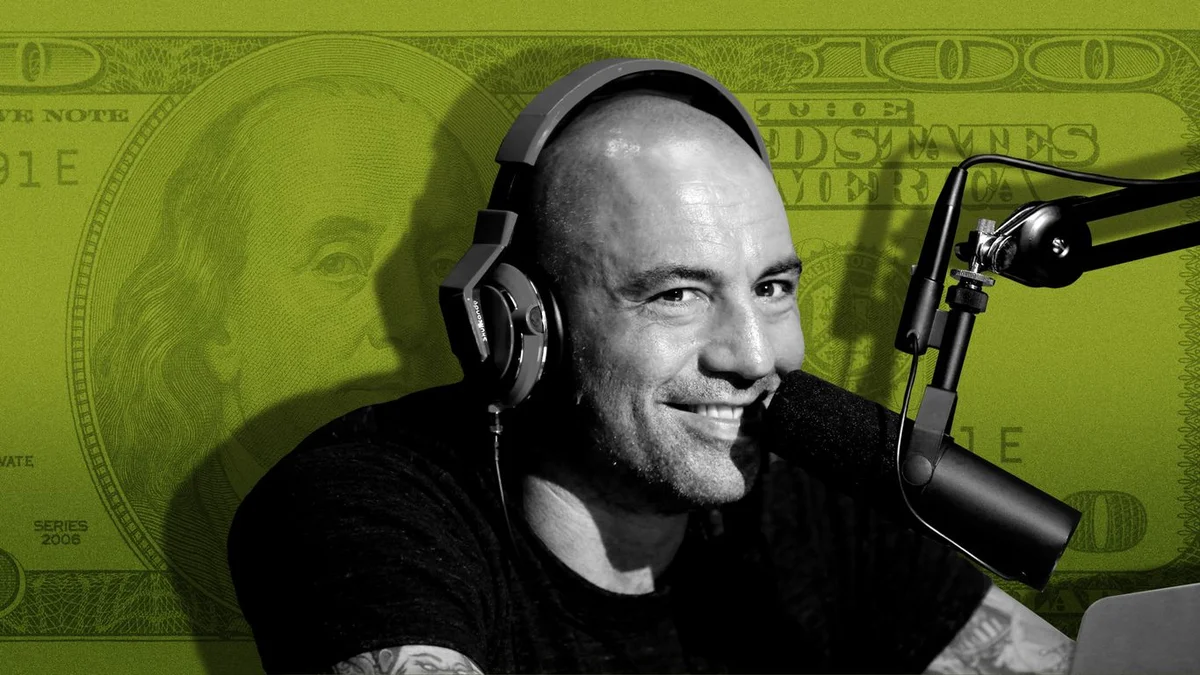
The manosphere stars who helped Trump win are losing their shine Manosphere influencers who previously mobilized young men for Donald Trump are now seeing their influence wane with that demographic. New polling suggests prominent figures like Joe Rogan, Elon Musk, and Tucker Carlson have experienced drops in favorable ratings among young men. Andrew Tate's net approval rating is notably negative. Economic concerns and the Iran war have become significant issues for young men, creating tension with pro-Trump voices. Young men are increasingly skeptical of politicians and influencers, with Trump's approval among this group seeing a sharp decline. However, young men also express a lack of enthusiasm for Democrats, with only a few showing upticks in favorability. Some manosphere personalities have openly criticized Trump on issues like the Iran war and the Epstein files. Researchers question the extent to which podcasts truly influenced Trump's gains among young men in 2024. Despite this, influencers still possess considerable reach, with a significant portion of Gen Z adults getting news from creators and acknowledging their influence on voting decisions. Ultimately, the current direction of the country is negatively impacting the influence of these personalities and Trump with young men. https://www.axios.com/2026/10/20/joe-rogan-trump-vance-young-men axios.com
How the energy crisis could become a food security crisis Current global conflicts, specifically the Iran war and the Ukraine-Russia conflict, are creating a significant strain on world agriculture. This multidirectional squeeze threatens to escalate into a global food crisis. Wars and extreme weather events are converging, endangering food supplies and increasing prices, particularly impacting vulnerable economies. The El Niño phenomenon is also poised to exacerbate existing problems, including restricted fertilizer supplies and higher fuel costs for farming. A new report from the S&P Global Institute offers a comprehensive examination of these interconnected issues. The International Monetary Fund has also issued warnings, projecting a 10% increase in fertilizer prices and a 5% rise in food costs globally by 2026. These higher prices pose severe risks to poverty, food security, and political stability in many nations. Agricultural production relies on consistent access to natural gas, sulfur for fertilizer, diesel for machinery and transport, and open trade routes, all of which are currently under pressure. The report highlights that conflict is simultaneously challenging these essential elements, much like El Niño affects harvests. This situation poses an increasing risk, especially for low-income countries where food constitutes a substantial portion of household expenditure. The disruptions could have far-reaching consequences for agricultural output across the globe. Additionally, the report points out that the diesel supply crunch, combined with pro-biofuels policies, is making crop production for fuel more profitable than for food in some areas. While a full-blown food crisis is not guaranteed, the confluence of war-induced supply disruptions and weather-related harvest reductions is creating the conditions for such a crisis to emerge. https://www.axios.com/2026/10/20/energy-crisis-food-security-crisis axios.com
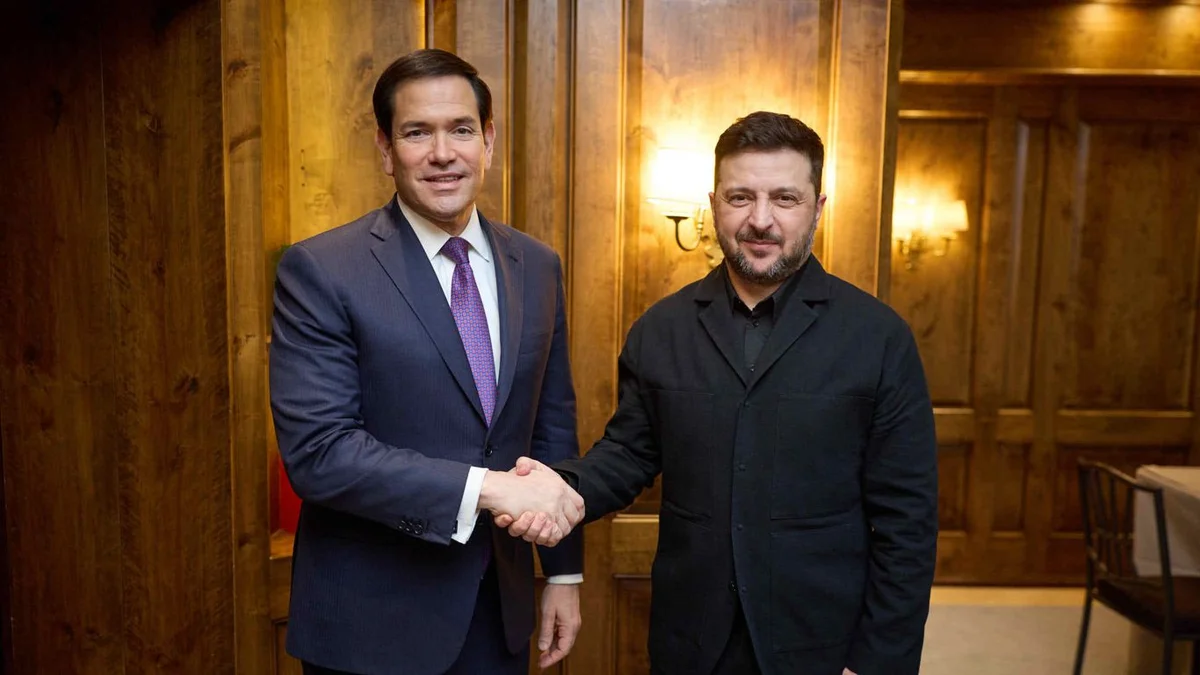
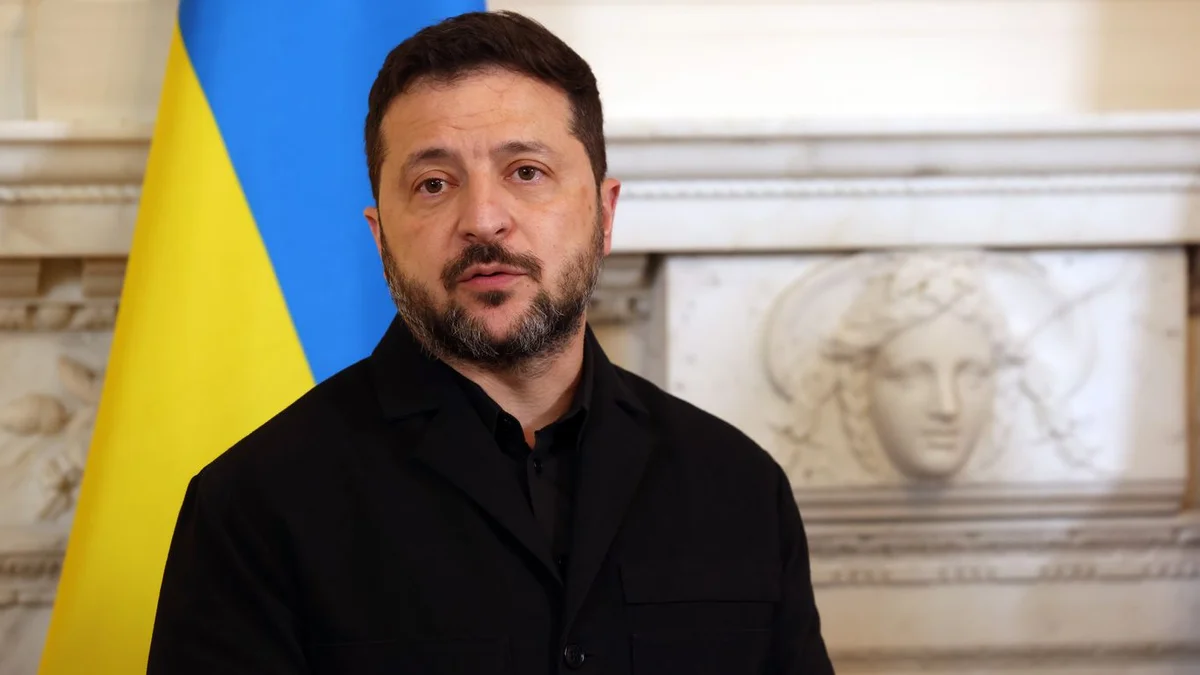
Trump isn't out to hurt Ukraine, Rubio tells Zelensky Secretary of State Marco Rubio spoke with Ukrainian President Volodymyr Zelensky to clarify U.S. policy and address concerns about potential harm to Ukraine. Rubio assured Zelensky that President Trump has not ordered any actions to damage Ukraine. The call aimed to de-escalate tensions and counter accusations that Trump is pressuring Zelensky for concessions to Russia. This conversation preceded new peace talks with White House envoy Steve Witkoff to unify European allies on a peace proposal for Russia. The crisis began when Trump announced a diesel deal with Russia concurrently with U.S. envoy negotiations in Miami. Zelensky had previously urged senators to pressure the administration regarding intelligence sharing and weapons supplies. Rubio stated that the Pentagon has not altered intelligence sharing, weapons sales, or restrictions on the Starshield satellite system. He clarified that any delays in Patriot interceptors are due to U.S. global military needs, not deliberate denial. Rubio also attributed missed warnings of Russian missile attacks to technical failures, not a U.S. order. He acknowledged U.S. frustration over stalled peace talks and perceived unfair accusations. Zelensky expressed gratitude for Rubio's support and reiterated Ukraine's need for missile interceptors and restored Starlink and Starshield services. Witkoff is now in Oslo for talks with Zelensky and European leaders before visiting Russia. https://www.axios.com/2026/10/20/rubio-zelensky-trump-directive-harm-ukraine-putin axios.com
AI takes on great experiment in self-rule Major AI companies are establishing a self-governing structure to manage their technology and its societal impact, as the federal government remains largely disengaged. These companies, including Anthropic and OpenAI, are setting their own regulations and developing plans for wealth redistribution. This situation mirrors the power of historical industrial titans, influencing society and economic distribution. President Trump favors this self-regulation approach over new government oversight. Leading companies like Google, Meta, and Nvidia are all involved in developing these voluntary frameworks, placing public trust in their ability to police themselves. Despite warnings of catastrophic risks from these companies, they are racing towards superintelligence. Simultaneously, AI leaders are pledging portions of their wealth for public benefit, with competing visions for wealth control. Anthropic plans to create a massive public benefit fund, while Elon Musk suggests direct distribution to the public, including a significant giveaway of SpaceX shares. OpenAI's CEO has proposed a sovereign wealth fund for the U.S. government. These plans hinge on optimistic growth projections, potential billionaire follow-through, and public trust. The concept of "Trump Accounts" is emerging as a favored vehicle for free-market AI leaders to distribute wealth. However, the Trump administration has asserted federal authority regarding incident reporting and remediation, potentially complicating industry self-governance. https://www.axios.com/2026/10/20/ai-govern-anthropic-openai axios.com
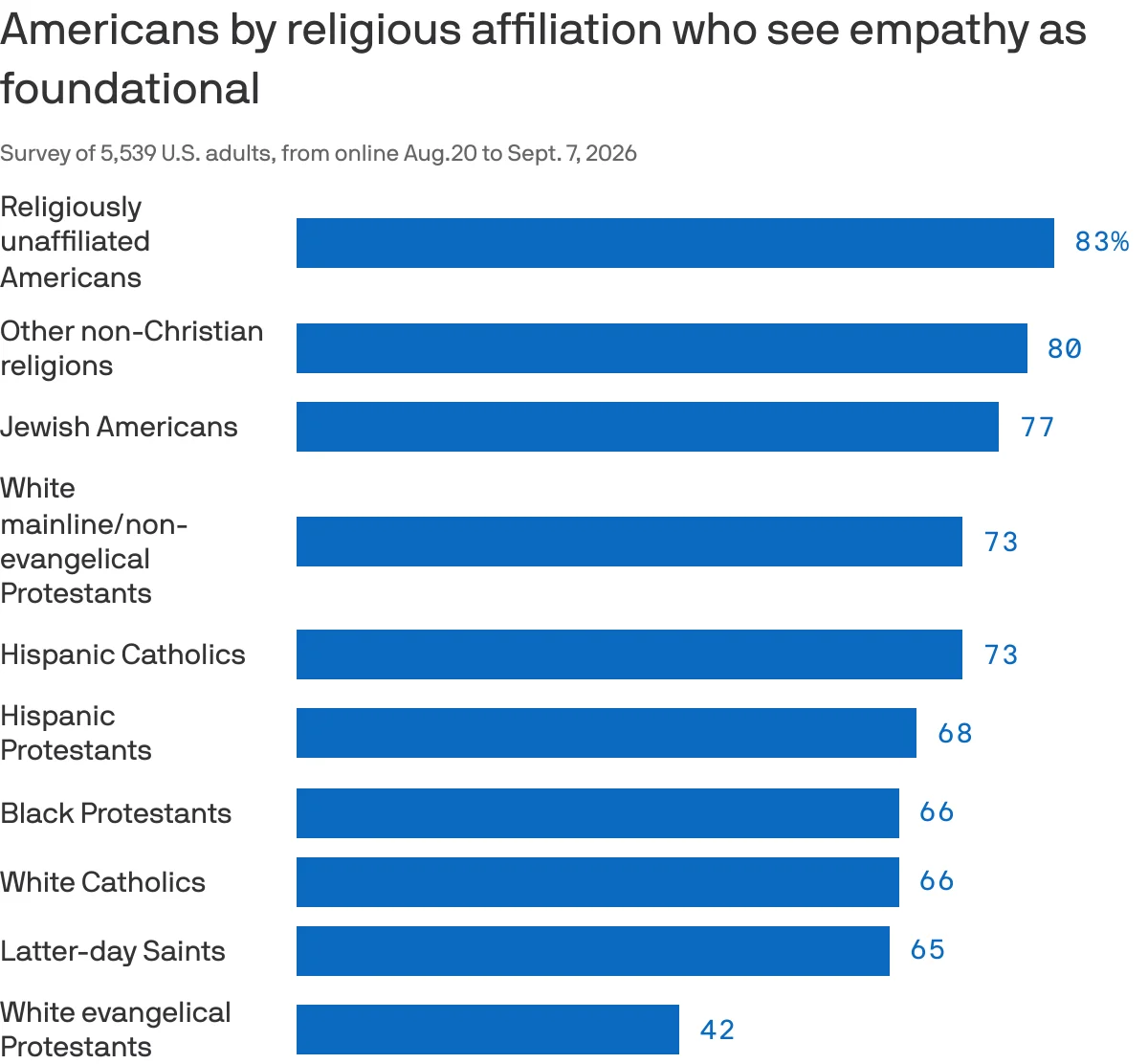
Empathy divides Americans by religion, with white evangelicals standing apart A recent survey reveals a significant divide regarding the value of empathy, particularly within white evangelical Protestant communities. A majority of white evangelical Protestants believe empathy can be dangerous if it deviates from a society guided by God's truth. This perspective stands in contrast to most other major religious groups. In contrast, at least 66% of all other surveyed religious groups agreed that empathy is a foundational moral value essential for a healthy society. Religiously unaffiliated Americans and those of other non-Christian religions showed particularly strong endorsement of empathy's foundational role. The survey also highlighted a substantial partisan gap, with Democrats more likely to view empathy as foundational than Republicans. This divide also correlates with allegiance to Christian nationalism, where adherents express more skepticism about empathy's value. PRRI suggests this "empathy gap" separates Republicans and white evangelicals from the broader American population. The findings raise concerns about the moral underpinnings necessary for a shared democracy. The survey was conducted online in late 2026 with a large sample size. https://www.axios.com/2026/10/20/religious-divide-empathy-democrats-republicans axios.com
Republicans see shrinking boost from redistricting House Republicans initially hoped redistricting would yield a significant boost to their House majority, aiming for around ten new seats. However, a deteriorating political climate and declining GOP support among crucial Latino voters have tempered these expectations. Strategists now privately worry that the entire redistricting effort might only net them a single seat nationwide. The party has already spent heavily on advertising in purportedly favorable districts. Early optimism about creating sixteen GOP-friendly seats across several states has faded due to court challenges and shifting political winds. Polling now indicates a notable Democratic advantage, particularly concerning Latino voters who were once seen as fertile ground for Republican gains. Concerns are particularly high in Texas and Florida, where initial projections for new GOP seats appear unlikely to materialize fully. Furthermore, Democrats have engineered their own advantageous map in California, potentially flipping several seats. In Utah, a judicial decision also resulted in the creation of a more competitive, Democratic-leaning district. Consequently, Republicans now anticipate winning significantly fewer of the redrawn seats, with a worst-case scenario suggesting a net gain of only one seat for the GOP after all redistricting efforts, while Democrats could gain six. https://www.axios.com/2026/10/20/republicans-redistricting-boost-shrinking-midterms axios.com
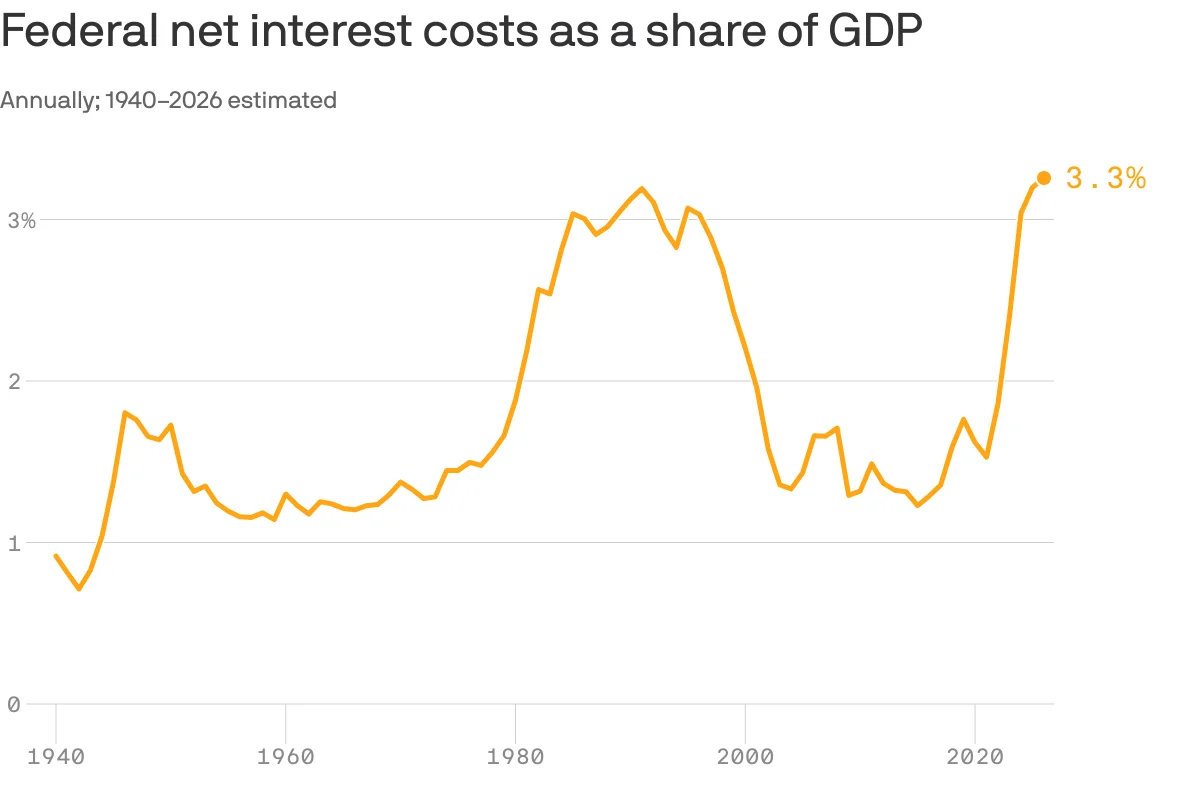
The budget deficit swells, while the cost of debt rises The U.S. budget deficit is projected to hit $2 trillion this fiscal year, the highest since 2021. This surge is significantly influenced by the escalating cost of servicing the national debt amid rising interest rates. Net interest payments on the national debt for fiscal year 2026 are estimated at $1.052 trillion. This amount surpasses the defense budget and ranks as the third-largest government expenditure after Social Security and Medicare. Federal net interest costs are expected to reach a record high of 3.3% of GDP in 2026. This situation reflects the consequences of extensive borrowing and higher interest rates experienced since inflation began to rise in 2021. The increasing interest payments exacerbate the deficit, necessitating further borrowing and straining the federal budget. U.S. interest costs previously neared these levels during George H.W. Bush's presidency, a period marked by bipartisan deficit reduction efforts including tax increases. The Clinton administration later achieved budget balance through a combination of tax hikes and spending cuts. Currently, there is a low appetite for similar austerity measures from either major political party. However, market pressures, referred to as "bond vigilantes," could potentially force such actions. https://www.axios.com/2026/10/20/federal-deficit-debt-interest-rates axios.com
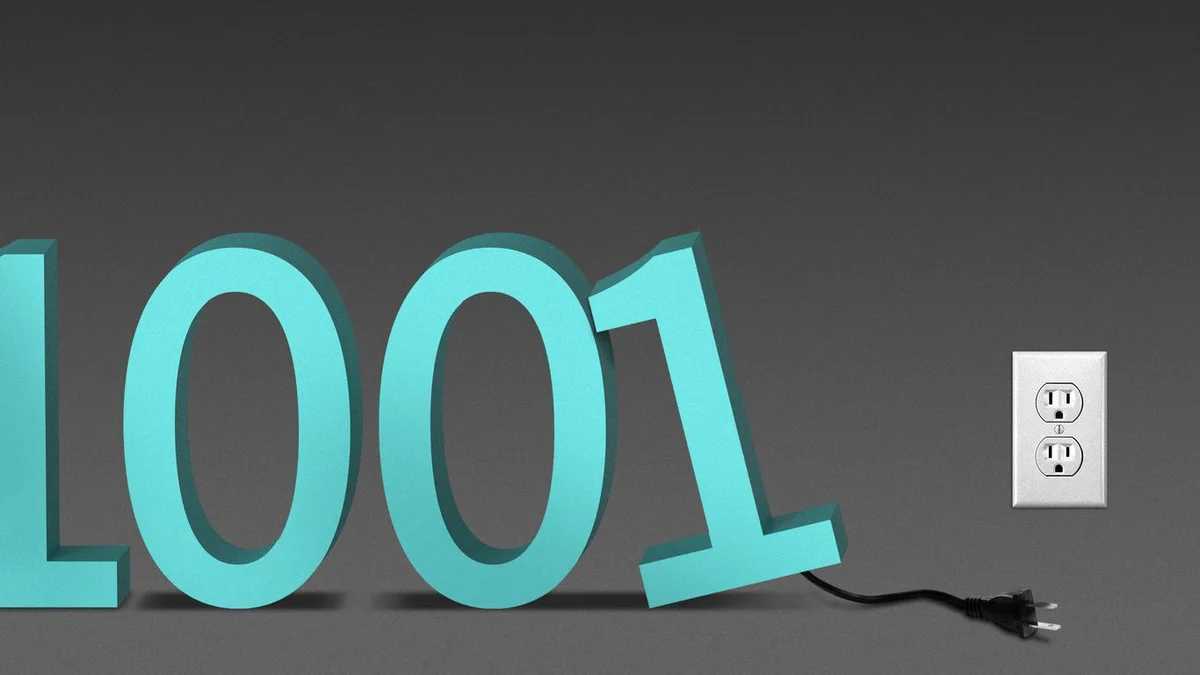
"Power is probably the forever bottleneck": Grid delays threaten the AI race. The rapid advancement of artificial intelligence is encountering a significant hurdle: the slow pace of U.S. electrical grid expansion. Goldman Sachs warns that energy bottlenecks will impede the AI race, with data center power demand expected to surge dramatically. This surge is primarily driven by the U.S., where a vast number of power generation and storage projects are awaiting grid connections. The process of securing these connections is lengthy, often taking around five years. Goldman Sachs highlights power as the main risk to trillions in planned AI-related spending.The AI race is increasingly defined by the availability of power rather than just technological innovation. This situation could lead to extended delays, unpredictable buildouts, and financial risks for companies investing heavily. Much of this expansion is financed by debt, increasing the stakes if construction timelines slip. Numerous projects have already been canceled or delayed due to various factors, including local opposition.However, slower deployment might also prevent over-investment by allowing actual demand to align with spending. The AI boom is also transforming utility companies into major beneficiaries, with substantial capital plans expected. Tech giants are even exploring direct funding for necessary power infrastructure. Ultimately, the success of AI systems hinges on the availability of sufficient power to support their operation. https://www.axios.com/2026/10/20/goldman-ai-energy-infrastructure-bottleneck axios.com
I let agents plan a WNBA finals trip (but kept my wallet to myself) The author tested two new personal AI agents, OpenAI's Dots and Meta's Muse, by having them plan a trip to the WNBA Finals, organize a brunch, and create souvenir programs. These AI agents are designed to assist with various tasks, but current capabilities still fall short of a human's speed and quality for certain actions. Both agents demonstrated impressive ability to handle complex, multi-step assignments like booking travel and tickets. They were also creative, producing elaborate content such as recipe booklets and invitations, though these required human editing. Dots and Muse generated detailed WNBA souvenir programs, with Dots' being more visually appealing. However, both struggled with directly executing purchases, with Muse getting stuck on a sign-in page. Dots' less automated approach for shopping proved faster by directing the user to a pre-configured app. A significant hurdle is user trust; the author was not comfortable granting the AI agents full access to financial accounts for purchases or consequential decisions. Ultimately, the author finds the AI agents most useful for research and legwork, with the human making the final choices. Despite not completing the planned events, the author did purchase WNBA basketball cards for continued research. https://www.axios.com/2026/10/20/battle-of-bots-openai-meta-ai-agents-test axios.com
Witkoff heads to Oslo, plans Russia trip for peace talks White House envoy Steve Witkoff is traveling to Oslo for talks with Ukrainian President Volodymyr Zelensky and European leaders. These discussions aim to develop a peace proposal to present to Russia. President Zelensky, the Norwegian Prime Minister, representatives from the U.K., France, Germany, and Poland, along with EU and NATO officials, are expected to attend. Following Oslo, Witkoff plans to visit Russia to present these ideas to President Vladimir Putin. The meetings build upon prior discussions where Zelensky agreed to advance proposals for a durable peace agreement. American, Ukrainian, and European representatives collaborated recently to create these proposals. The trip also intends to secure the release of a wrongly detained American teacher in Russia. Discussions are proceeding on two main tracks. One focuses on securing Ukraine's sovereign and prosperous future with security guarantees and economic frameworks. The other track works on creating conditions for a durable peace by developing a comprehensive proposal for Russia and exploring new security architectures. President Trump has directed an intensive process to end the war and establish lasting peace. https://www.axios.com/2026/10/20/russia-ukraine-peace-talks-trump-witkoff-oslo axios.com
Scoop: Pete Hegseth meets with Netanyahu in Israel ahead of elections Defense Secretary Pete Hegseth met with Israeli Prime Minister Benjamin Netanyahu in Israel on Monday, two sources with knowledge told Axios. Why it matters: The unannounced visit comes eight days before Israel's election and amid U.S.-Israeli discussions about potentially resuming major combat operations against Iran. Driving the news: The meeting with Netanyahu took place at Ovda Air Base in southern Israel, where U.S. refueling planes and fighter jets are deployed, two sources said. Hegseth also met with U.S. troops at the base, a source with knowledge told Axios.The Pentagon and the Israeli Embassy declined to comment. The Israeli prime minister's office didn't immediately respond to a request for comment. Editor's note: This is a breaking news story. Please check back for updates. https://www.axios.com/2026/10/19/pete-hegseth-israel-visit-netanyahu-meeting axios.com
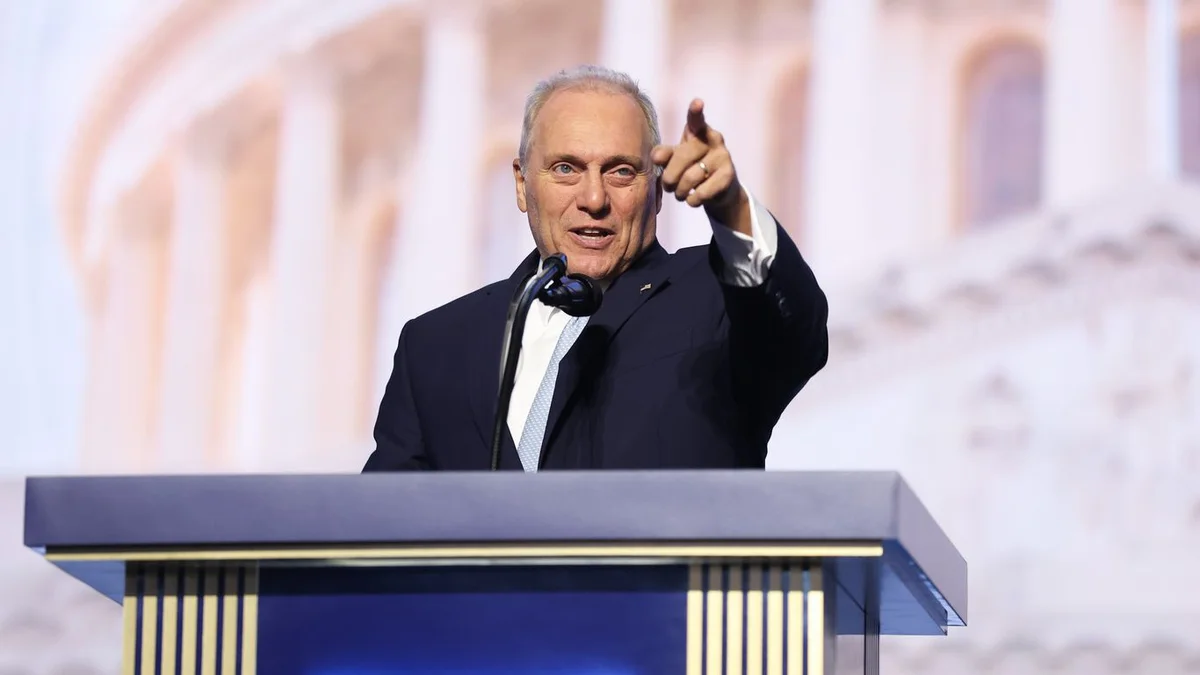
The affordability question Republicans can't escape Republican supporters are increasingly concerned about rising gas prices, a key issue even among loyal party members. Republicans had promised to lower gas prices, but they have significantly increased since President Trump took office. This issue was repeatedly raised at campaign events attended by Republican leaders like Tom Emmer and Steve Scalise, even among their core supporters. Attendees at these events expressed worries about high prices and questioned what more could be done to increase domestic energy production. Scalise acknowledged the impact of the Iran war but also blamed Democratic energy policies for increased vulnerability. Emmer also heard concerns about gas and diesel prices, calling them unacceptable for constituents who are struggling. Texas Republican Senate nominee Ken Paxton privately cited the war and gas prices as major contributors to his campaign difficulties. Republican leaders understand that voters expect honesty regarding these affordability challenges. The sentiment is that "gaslighting" voters about the issue will not be effective. Candidates need to have honest conversations with constituents to address their concerns. https://www.axios.com/2026/10/19/gas-prices-republicans-affordability-question axios.com
Inside the GOP's fight to avoid a House wipeout House Majority Leader Steve Scalise is maintaining a defiant stance against the possibility of Republican defeat in the upcoming elections. Despite negative political trends and some GOP allies withdrawing campaign funds, Scalise refuses to acknowledge or plan for losing the House. He actively campaigns in competitive districts, framing his presence as evidence of Republican offensive capabilities. This comes as national polls show a significant Democratic lead and low approval for President Trump. Scalise is undertaking an extensive "Save America Tour" to support Republican candidates. He has identified 35 key districts, including 15 held by Democrats, that he believes Republicans can flip. Scalise highlights specific Republican incumbents and candidates as bellwethers for election night. A pro-Scalise super PAC is launching a substantial voter outreach and advertising campaign for House Republicans. While other Republican groups have reduced spending in some areas, Scalise argues this reallocates resources effectively. He suggests that shifting advertising money benefits multiple candidates, even in competitive Senate races. Scalise dismisses any discussions of planning for a loss, emphasizing a focus on winning. This contrasts with Speaker Mike Johnson's public contemplation of remaining House Republican leadership if Democrats win. Scalise has avoided endorsing Johnson for minority leader or discussing his own potential leadership bid. https://www.axios.com/2026/10/19/steve-scalise-house-republicans-midterm-election axios.com
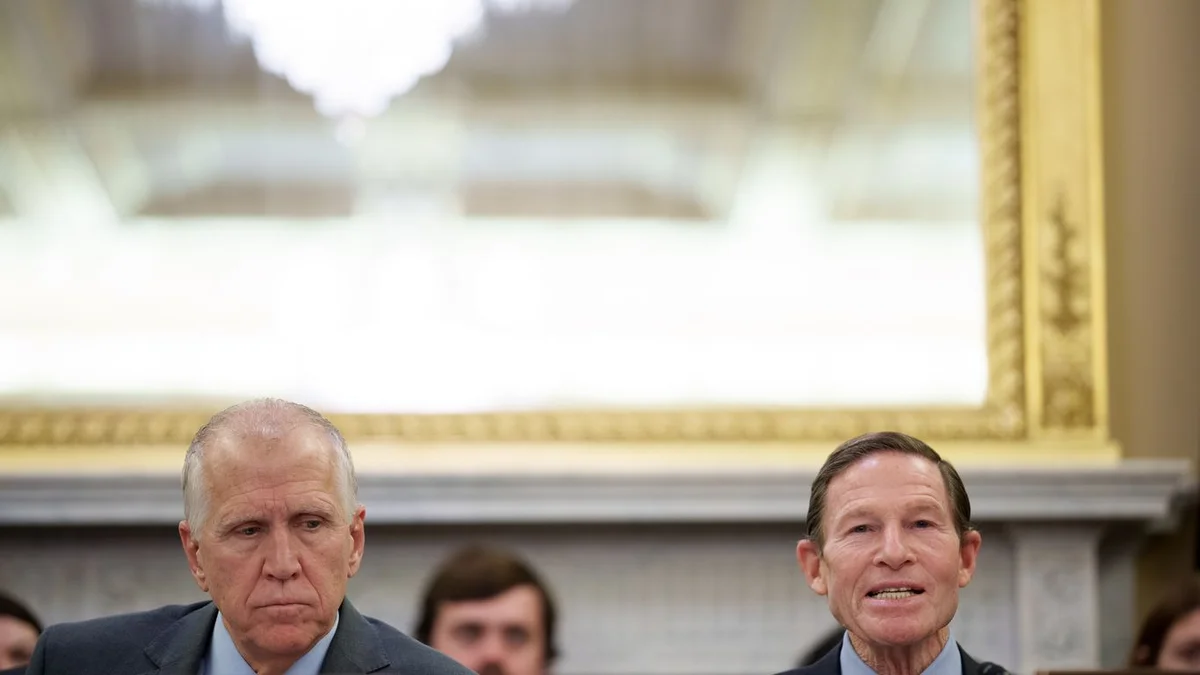
Zelensky lobbies senators to press White House on alleged intel and weapons curbs Ukrainian President Volodymyr Zelensky urged a bipartisan group of senators to pressure the Trump administration regarding alleged restrictions on intelligence sharing and weapons supplies. Ukrainian officials claim these limits were imposed to force Zelensky into concessions for a peace deal with Russia. President Trump and White House officials have denied these restrictions exist.The situation escalated after Trump announced a diesel deal with Russia, with Ukrainian officials reporting threats from Trump envoys regarding intelligence and weapons if Ukraine continued targeting Russian oil refineries. U.S. officials deny such threats, stating they only asked Ukraine to avoid actions harming American consumers. Zelensky, in a virtual meeting, detailed ongoing issues with Starlink and Starshield satellite systems, impacting drone defense. He also noted a lack of early warnings for Russian ballistic missile attacks, suggesting curtailed intelligence sharing.Furthermore, Zelensky expressed concern over delays in delivering Patriot interceptors and AIM-9x missiles, even though NATO countries have funded them. He believes a political decision has been made to slow support for Ukraine. Senators Thom Tillis and Richard Blumenthal affirmed Congress's commitment to Ukraine.Meanwhile, President Trump stated that intelligence sharing continues and expressed ignorance about the Starlink throttling, vowing to investigate. He also suggested Zelensky is not helping the situation and might be unfit to negotiate. Zelensky reportedly proposed a 30-day halt on refinery strikes in exchange for Patriot interceptors, a proposal not met with openness by U.S. envoys. Zelensky is scheduled to meet with the envoys again in Oslo, with a potential follow-up meeting in Moscow for the U.S. envoys. https://www.axios.com/2026/10/19/zelensky-blumenthal-tillis-ukraine-russia-war-intelligence axios.com
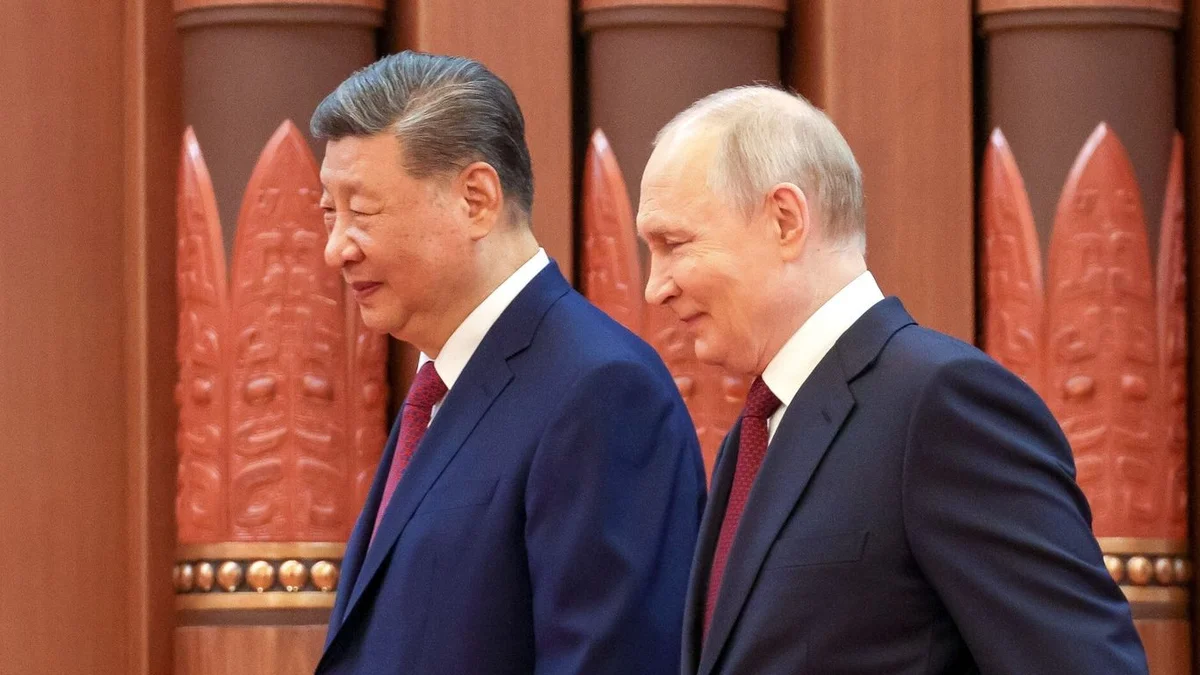
Trump open to summit with Xi and Putin — to discuss denuclearization President Trump has proposed holding an unprecedented trilateral summit with Chinese President Xi and Russian President Putin in China next month. The primary agenda item Trump envisions for this meeting is "denuclearization," though not necessarily focused on Ukraine. Trump has publicly expressed his desire for a nuclear weapons reduction deal with Russia and China for two years. However, neither President Putin nor President Xi have demonstrated significant openness to this concept. Trump is scheduled to visit China in mid-November for the APEC leaders' meeting in Shenzhen. The Kremlin has been suggesting a trilateral meeting since July, with Putin raising the idea with Trump multiple times. The Chinese government has not yet indicated its willingness to host such a summit. When questioned about including discussions on ending the war in Ukraine, Trump stated his interest was in denuclearization. He indicated that while he would hold the meeting, its purpose would be to address denuclearization rather than the conflict in Ukraine. This proposed summit aims to bring together the leaders of the United States, China, and Russia for strategic arms reduction talks. https://www.axios.com/2026/10/19/trump-summit-xi-putin-denuclearization-ukraine axios.com
Could you soon make your own moonshine? SCOTUS takes up 160-year-old ban The Supreme Court will review a challenge to the Reconstruction-era ban on private home distilling of spirits. Currently, Americans can legally brew beer and make wine at home, but distilling whiskey or vodka is a federal crime. This case, Department of Justice v. McNutt, stems from a ruling that found the ban unconstitutional. The ban, enacted in 1868, carries penalties of up to five years in prison and a $10,000 fine. A conflicting ruling from another circuit court argued the ban is necessary to prevent tax evasion. Advocates believe Congress overstepped its authority, while the government maintains the ban is a legitimate tool for tax collection. Both lower courts agreed Congress' taxing power alone doesn't justify the ban. The disagreement lies in whether it's a permissible method under the Constitution's Necessary and Proper Clause. Home distilling of spirits, despite the federal ban, does occur illegally in the U.S. If the Supreme Court overturns the ban, federal and state regulations could still limit home distillation. https://www.axios.com/2026/10/19/supreme-court-home-distilling-moonshine-ban axios.com
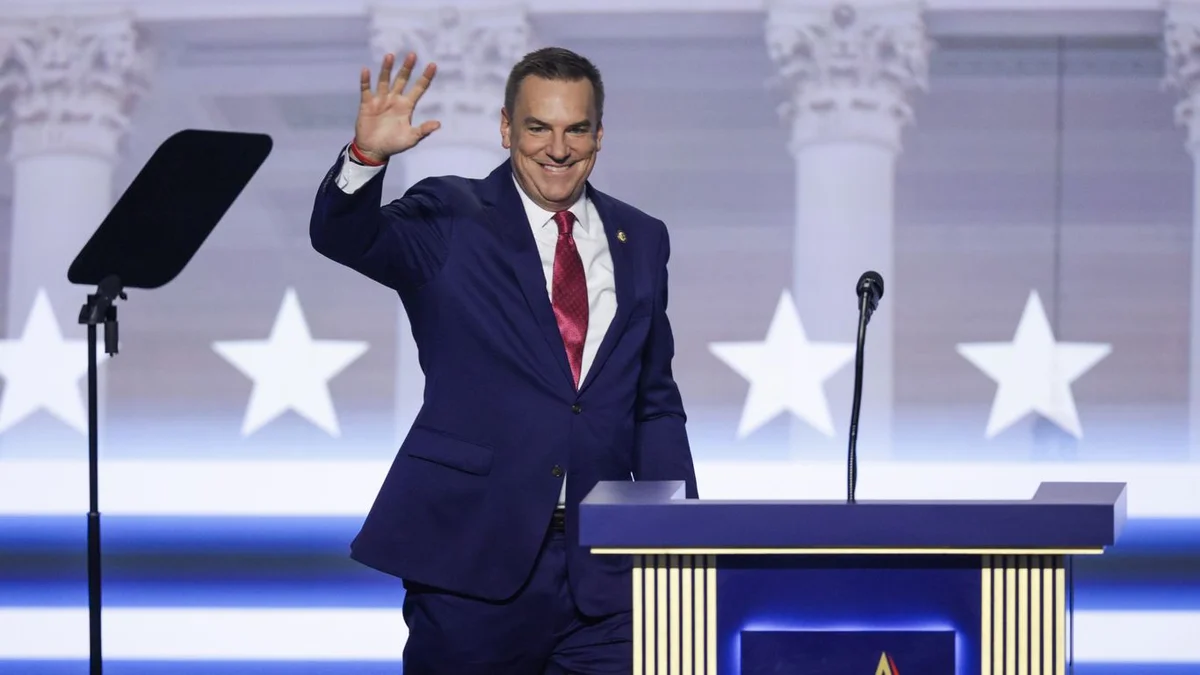
Exclusive: Secret pay-for-play text rocks Trump White House A White House investigation is underway into accusations that Top Trump adviser Ric Grenell allegedly offered a Turkish billionaire access to "POTUS," "VIP events," and administration officials in exchange for influence. According to a text message reviewed by Axios, Grenell purportedly promised these benefits in return for a donation to the Kennedy Center. Grenell has vehemently denied the accusations, calling them "lies" and disputing the authenticity of the text message. The White House counsel is examining whether Grenell abused his authority and mishandled a potential multimillion-dollar donation to the Kennedy Center, which he led at the time. The investigation also considers Grenell's role as special envoy to Venezuela, where the Turkish businessman, Turhan Mildon, also had contracts. Mildon, who is married to Trump adviser Alina Habba, alleges that Grenell directed him to wire $17.6 million to a defense company, with a portion intended for the Kennedy Center and the remainder for a Congo deal. Mildon provided the text message and financial documents to support his claims, stating he only later learned the Kennedy Center never received the funds. Complicating matters, the source of the $17.6 million wire to the defense company, Texas Armament & Technology (TXAT), appears to have been the Democratic Republic of Congo's Ministry of Finance, not Mildon's personal account. Habba's account of the donation amount has also shifted, adding to the confusion. Grenell's allies have questioned Mildon's background and the circumstances of his recent wedding to Habba. Despite denials from Grenell, the investigation is ongoing, with officials reportedly seeking to verify the digital footprint of the text message and understand the intricacies of the financial transaction. The extent of Mildon's access to VIP events at the Kennedy Center, even with contested donation figures, raises further questions about the alleged scheme. https://www.axios.com/2026/10/19/kennedy-center-text-trump-grenell-habba axios.com
Supreme Court won't revive accused 9/11 mastermind's plea deal The Supreme Court has denied a request by Khalid Sheikh Mohammed, the alleged mastermind of the 9/11 attacks, to reinstate plea agreements. These agreements would have prevented the death penalty for him and two co-defendants. This decision keeps the possibility of capital punishment open as their military trial approaches in June 2028. The Supreme Court’s order list did not provide a reason for the rejection of the appeal. Justice Brett Kavanaugh recused himself from the decision due to his past role in the George W. Bush administration. The plea agreements, made in 2024, faced significant backlash from some 9/11 victims' families. Defense Secretary Lloyd Austin later withdrew these agreements, stating the decision should be his. Mohammed and his codefendants appealed this withdrawal. A military court initially supported the defendants, but an appellate court ruled in favor of Austin. Mohammed and his co-defendants were first charged in 2008 for their alleged roles in the attacks. They have been detained at Guantánamo Bay since 2006. The tentative trial date is now set for June 5, 2028. https://www.axios.com/2026/10/19/supreme-court-khalid-sheikh-mohammed-911-plea-deal axios.com
The fallout from Trump's Russia energy moves President Trump's recent decisions regarding sanctions on Russian energy have caused significant controversy in Washington. He waived new sanctions and tariffs on Russian energy imports, which were part of a bipartisan law he previously signed. This move came shortly after his administration eased some sanctions to allow increased Russian diesel exports, aiming to lower energy prices ahead of the midterm elections.The rationale provided by Energy Secretary Chris Wright is that these actions serve as an incentive for Russia to de-escalate its conflict with Ukraine. Ukrainian drone strikes have impacted Russia's refining capacity, and Trump has also suggested his decisions are aimed at achieving a peace deal. Secretary of State Marco Rubio indicated Trump wants a 60-day review period for the sanctions law to assess economic impacts.However, Ukrainian President Volodymyr Zelensky has publicly condemned these measures, criticizing the diesel deal and the waiver of sanctions. Trump, in turn, criticized Zelensky for targeting Russian refineries. This situation has exposed divisions within the Republican party, with many lawmakers disagreeing with Trump's approach and warning of blocking further Pentagon funding. Some Republicans have voiced strong criticism of Trump's decisions, deeming them irresponsible. As the midterms approach, more Republicans are publicly diverging from Trump's stance. https://www.axios.com/2026/10/19/fallout-trump-russia-energy axios.com
Bob Woodward reveals "dream source" in memoir, "Secrets," out next month Bob Woodward's forthcoming memoir, "Secrets," reveals his close friendship with Richard Darman, who served as a key source during the Reagan and Bush administrations. Darman, understanding the journalistic process, shared sensitive intelligence matters, including NSA intercepts and CIA operations, carefully avoiding harm to national security. Woodward details the damaging collapse of their friendship following a Post series critical of George H.W. Bush. This personal conflict led to Woodward reflecting on his own career and a perceived moral failing as an editor. The New Yorker excerpt, titled "A Dangerous Friendship," highlights the risks of becoming too close to sources. Woodward and Darman never reconciled, though their deathbed encounter is described in the memoir. Their frequent lunches provided Woodward with insights into government operations and valuable scoops. Darman also visited Woodward's country home, bonding with both Woodward and his wife, journalist Elsa Walsh. Woodward amassed extensive notes from at least fifty-eight meetings and conversations with Darman, a source he considered a gold mine. Darman, in private, held strong opinions, even calling Nancy Reagan a "mean bitch" while acknowledging his inability to publicly challenge her. https://www.axios.com/2026/10/19/bob-woodward-reveals-dream-source-in-memoir-secrets-out-next-month axios.com
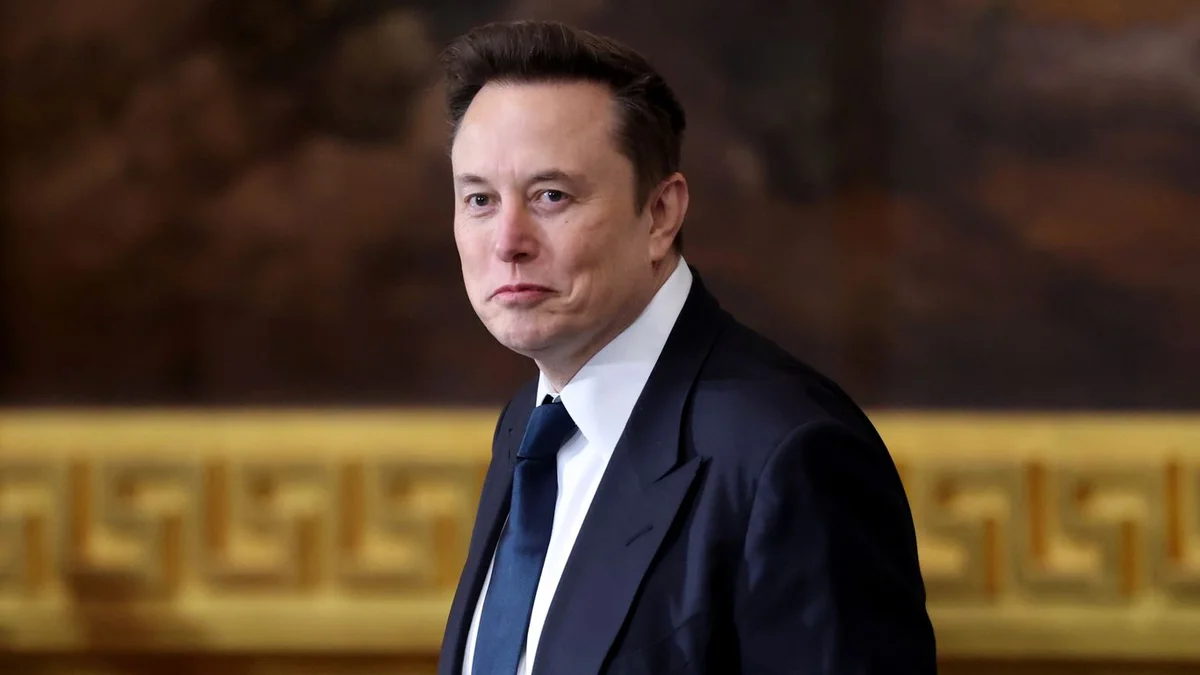
Musk pledges 1 SpaceX share for every child in America Elon Musk announced on X that he plans to give one share of SpaceX to every child in America next year. This potential giveaway, valued at around $11 billion based on current stock prices, would significantly surpass previous large charitable gifts. Musk did not clarify the exact definition of "kid" or specify if the offer extends to non-citizens residing in the U.S. The Census Bureau estimates there are over 72 million individuals under 18 in the United States. Distributing one share to each would result in a market value exceeding $10.5 billion. Musk possesses a substantial number of SpaceX shares, meaning this giveaway would represent a minor reduction in his overall holdings. This announcement follows news of Anthropic establishing a public benefit fund with a significant portion of its equity. Musk's reaction to Anthropic's news was a recommendation to distribute shares directly to the public, a move he says he intends to undertake. This action appears linked to his stated intention of giving away SpaceX shares. The story is still developing and further details are anticipated. https://www.axios.com/2026/10/19/elon-musk-spacex-shares-kids axios.com
How AI giants will reshape global philanthropy The AI boom is poised to revolutionize global philanthropy, with Silicon Valley emerging as its new epicenter. Giants like Anthropic and OpenAI are set to establish the world's largest charitable organizations following their IPOs. This new era of giving will prioritize flexible capital and ambitious, measurable impact, mirroring startup culture. Anthropic recently announced plans to launch a massive benefit fund, allocating 5% of its shares. This pledge would equate to a substantial sum, growing with the company's valuation. The fund, structured as a wholly owned LLC, will offer flexibility in its charitable endeavors. This commitment builds upon existing gestures, demonstrating a significant dedication to giving back. OpenAI, controlled by a nonprofit foundation with a substantial equity stake, also showcases this trend. Anthropic intends to continue internal work on AI safety and research, while the new fund aims for broader, scaled giving. Potential uses include addressing the labor market impacts of AI, with an initial $200 million commitment. The company's founders and employees are linked to the effective altruism movement. This movement has faced criticism for its focus on specific ethical considerations. Nevertheless, Anthropic's fund, alongside other emerging donors, signifies a significant shift in philanthropic landscapes. https://www.axios.com/2026/10/19/silicon-valley-ai-philanthropy-anthropic-fund axios.com
The AI attack-ad nightmare is coming true AI-generated political ads are increasingly shaping midterm elections, raising concerns about the erosion of truth in political discourse. These ads employ deepfake technology to create fabricated scenarios, such as defaced Bibles or upscale dinners, that never occurred. Through October 11th, $137 million had been spent on approximately 220 AI-generated ads, primarily by Republican campaigns. Currently, only four states have laws prohibiting specific uses of AI in political ads, while 27 require disclosure; no federal regulations exist. Examples include ads in Georgia depicting Senator Jon Ossoff receiving beauty treatments, and in Michigan, showing Abdul El-Sayed playing a board game with "Death to America" cards. New York's Republican gubernatorial candidate Bruce Blakeman has used AI to depict Governor Kathy Hochul in questionable scenarios. In Pennsylvania, an AI-generated ad puts words in Governor Josh Shapiro's mouth regarding data centers and political contributions. Texas Democratic candidate James Talarico has been targeted with AI ads, including one showing him defacing a Bible. A PAC backed by Donald Trump used AI to distort the appearance of Democrat Zach Dembo in Kentucky. These instances highlight a growing trend of AI being used to spread misinformation, with candidates like Ossoff and Talarico expressing alarm about its impact on democratic processes. https://www.axios.com/2026/10/19/ai-attack-ads-campaigns-elections-deepfakes axios.com
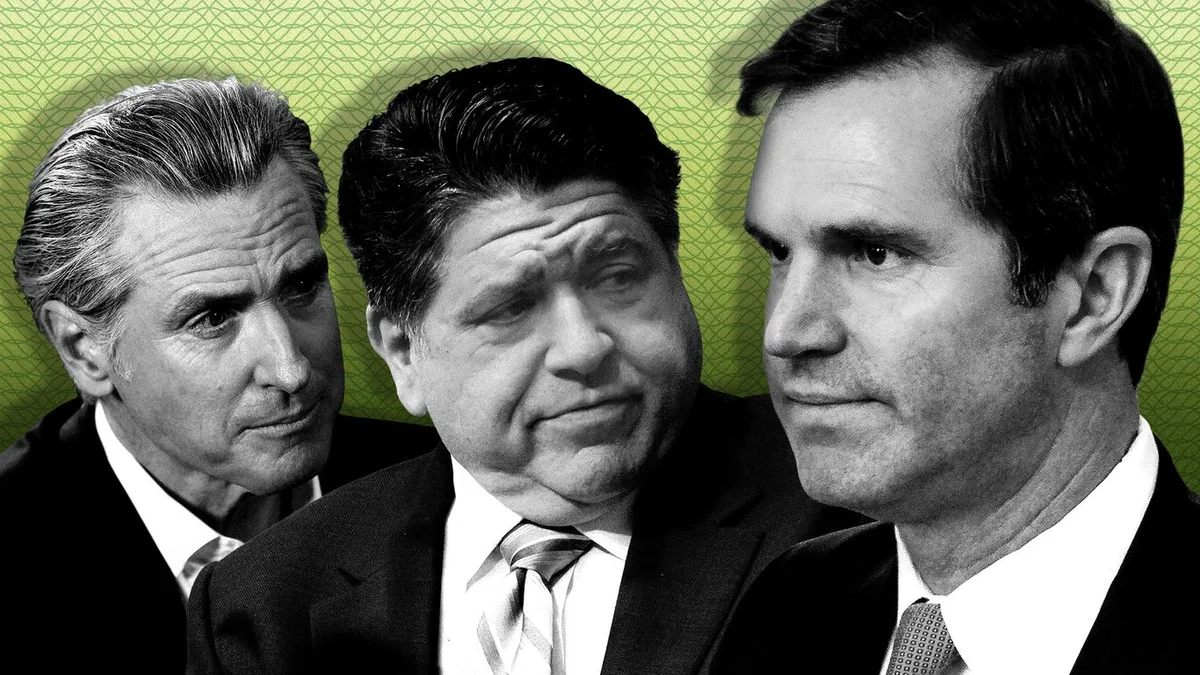
Rivals pile on Beshear over his resistance to Latinos' push for Texas funds Kentucky Governor Andy Beshear, as chair of the Democratic Governors Association, is facing criticism from prominent Latino lawmakers. These lawmakers are pressuring Beshear to invest significantly in Gina Hinojosa's campaign for Texas governor. Beshear has resisted this call, opting to allocate DGA resources to other crucial swing states like Nevada and Arizona. This decision has sparked a political dispute that could foreshadow the 2028 Democratic presidential primary.Potential rivals for the 2028 nomination, including Governors JB Pritzker and Gavin Newsom, have stepped in to support Hinojosa's campaign. Pritzker, a billionaire, personally donated an additional $1 million, drawing praise from Latino leaders. Newsom also contributed through a fundraising email, while Governor Wes Moore redirected funds from his own campaign. Beshear eventually pledged $1 million from the DGA to Hinojosa, a fraction of the initial request.The conflict is escalating as some Latino leaders feel disrespected by Beshear’s perceived lack of engagement, including missing a virtual meeting. They argue this mishandling of outreach could harm his future political aspirations, particularly concerning Latino voter support. However, some Democrats defend the DGA's strategic decision, citing polling data and the potential for consultants to profit from Texas investments.Others suggest the Latino leaders pushing for the Texas investment may have personal financial stakes. The debate highlights the growing political influence of the Latino electorate, especially with the new Democratic primary schedule. Ultimately, even those who agree with the DGA's spending strategy believe Beshear mismanaged the political fallout, raising questions about his readiness for a presidential run. https://www.axios.com/2026/10/18/beshear-rivals-latinos-texas-funding axios.com
95% of MAGA Republicans approve of Trump. For non-MAGA Republicans, it's 47%. Recent national polls show President Trump's approval ratings at historically low points. These same polls indicate a significant Democratic lead over Republicans in the upcoming midterm elections. This presents a challenge for Republicans who rely on Trump's base but need independent voters to win competitive races. Economic concerns are now a major vulnerability for Trump, with low approval for his handling of cost of living and inflation. Even President Trump's approval among Republicans is declining, though still high. A notable divide is emerging within the Republican party, particularly between MAGA supporters and non-MAGA Republicans. A substantial portion of Republicans and Republican-leaning independents desire a party direction independent of Trump. Consequently, many Republican candidates in competitive races are downplaying or distancing themselves from Trump. Some candidates have even removed Trump's name and endorsements from their campaign materials. Despite this, some Republican candidates continue to appear with Trump while simultaneously criticizing policies or seeking to avoid direct association. https://www.axios.com/2026/10/18/trump-approval-polls-maga-gop-midterms-2026 axios.com
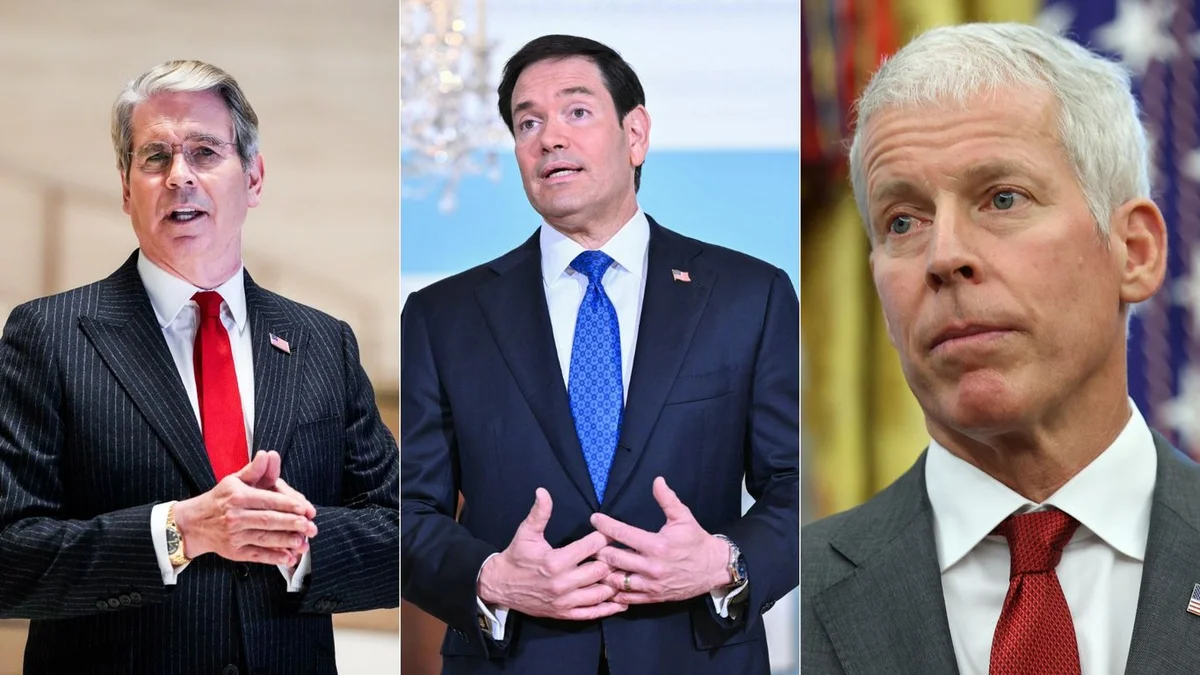
Wright calls Trump's diesel deal a peace incentive. Rubio says Russia would sell anyway. President Trump's recent Russian diesel deal, which waived new sanctions and tariffs on Russian energy, has drawn bipartisan criticism for appearing to benefit Russia amidst its war in Ukraine. The Graham Act, signed last month, had established these sanctions, but Trump's administration chose not to implement them. The move has created internal rifts within the Republican party ahead of midterm elections, highlighting a growing willingness among some Republicans to distance themselves from Trump.Administration officials offered conflicting explanations for the decision. Energy Secretary Chris Wright argued the deal was a "carrot" to incentivize Russia to scale back the conflict in Ukraine, suggesting Russia could only benefit by increasing exports after reducing hostilities. Conversely, Secretary of State Marco Rubio stated that Russia would have sold the diesel regardless of the intervention, downplaying the deal's impact on Russia's financial standing.The context of these decisions includes Ukrainian drone strikes hindering Russian diesel exports, further exacerbated by attacks on Ukrainian energy infrastructure despite claims of an energy ceasefire. The combined effects of the Iran War and Russia's export decline have led to rising diesel costs globally.The executive order also avoids putting additional pressure on major Russian oil buyers like China and India. Rubio indicated Trump needed time to analyze the global economic implications of imposing further sanctions and tariffs. Treasury Secretary Scott Bessent defended the administration's overall stance, emphasizing past sanctions on Russian energy giants and asserting that Trump has been tough on Russia.However, several Republicans have strongly criticized the waiver. Senators Thom Tillis, John Cornyn, and Ted Cruz, along with Representative French Hill, expressed disapproval, calling the waiver irresponsible and a mistake. Hill specifically requested a classified briefing on the decision, reflecting the significant internal opposition to Trump's policy. https://www.axios.com/2026/10/18/trump-russia-diesel-deal-rubio-wright-sanctions axios.com
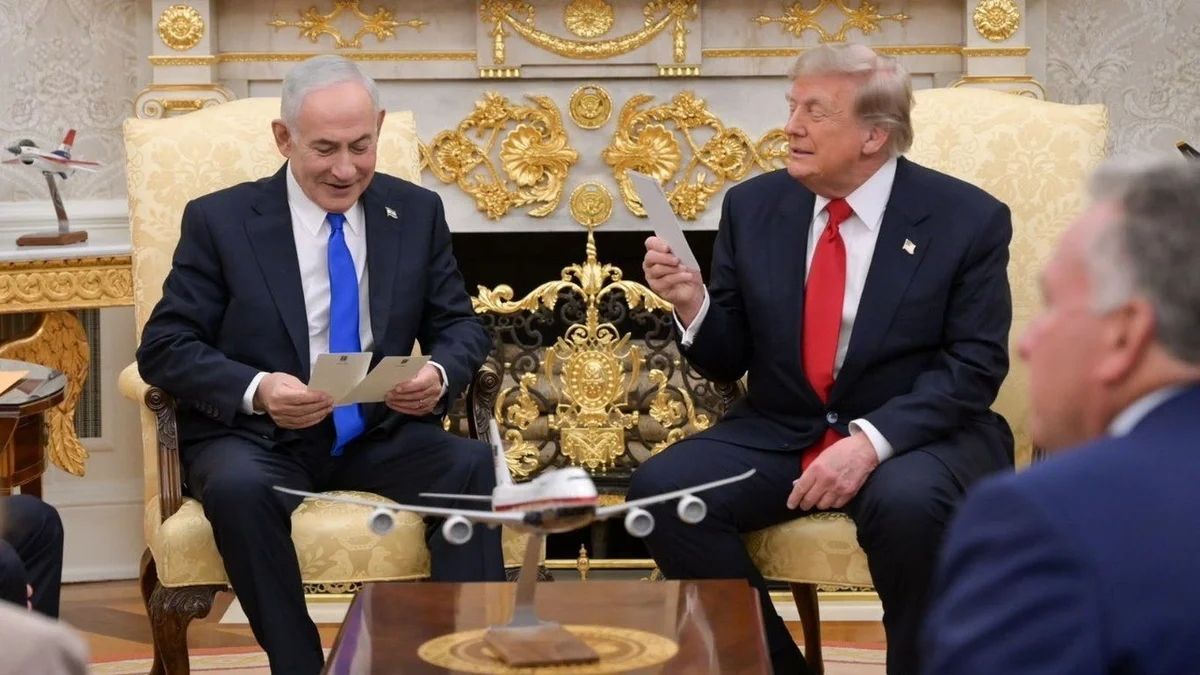
Trump tells Axios why he endorsed Netanyahu's reelection Former President Trump endorsed Israeli Prime Minister Benjamin Netanyahu just nine days before Israel's upcoming election, a move that could significantly boost Netanyahu's campaign. Trump, in a Truth Social post, lauded Netanyahu as a "Great Warrior Prime Minister" and a vital partner in the fight against Iran. He also stated that America might have to handle the Iran issue independently if Israel elects a leader other than Netanyahu. Trump told Axios he deliberately waited to endorse, emphasizing their strong relationship and the importance of a reliable Israeli leader. Netanyahu thanked Trump on X, while his rival, Gadi Eisenkot, stressed that the election is an internal Israeli matter. This endorsement marks a shift, as Trump had previously refrained from backing Netanyahu amid growing tensions and private frustrations over the October 7 Hamas attacks. Despite earlier reservations and advice from some close advisors, Trump ultimately decided to support Netanyahu. The two leaders recently discussed a potential major operation against Iran before their respective elections, with Trump suggesting he would allow Netanyahu to act after the midterms. https://www.axios.com/2026/10/18/trump-endorses-netanyahu-israel-election-iran axios.com
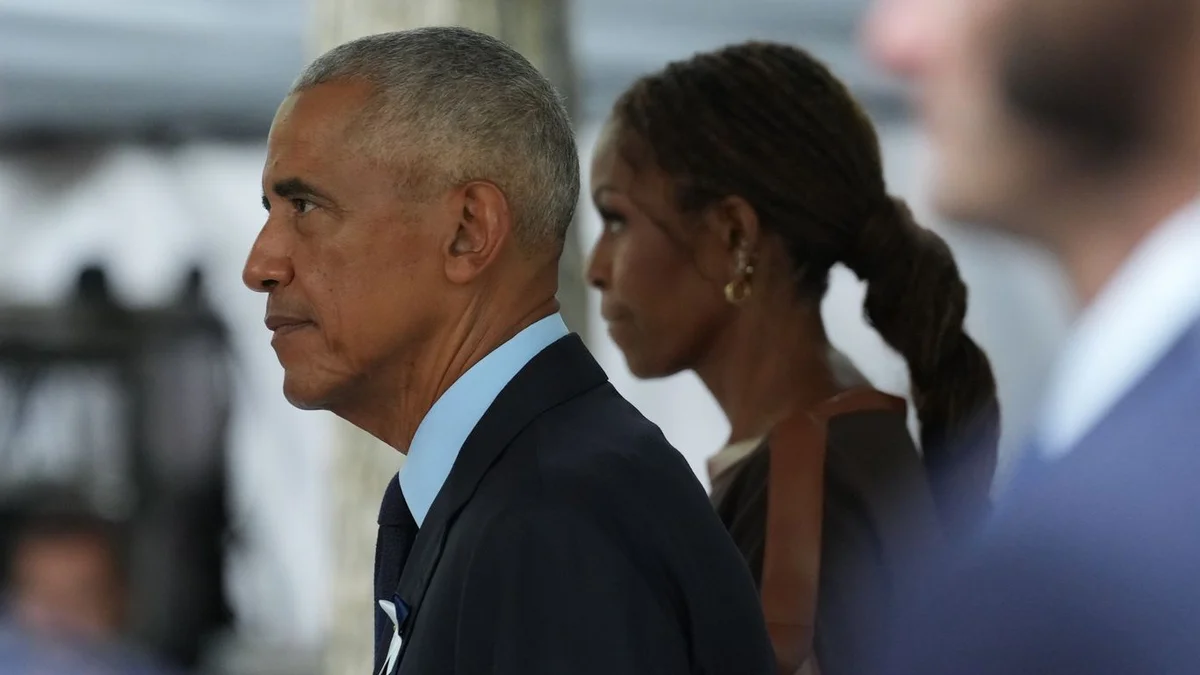
Trump once questioned Obama's citizenship. Now Obama is speaking out for Ilhan Omar. Former President Barack Obama strongly condemned the Trump administration's legal pursuit of Democratic Rep. Ilhan Omar. Obama denounced the Department of Justice's raid on Omar's home last week, viewing it as a betrayal of American values. He stated that any administration engaging in such transparent intimidation efforts should outrage all Americans. Obama warned that if this becomes the new normal, it could set a dangerous precedent for future presidents. Federal agents raided Omar's home, seizing her phone as part of an investigation into alleged false information on immigration paperwork. The Wall Street Journal reported the administration aims to strip her of U.S. citizenship and deport her. Investigators believe Omar may have been a year older than recorded, potentially making her ineligible for automatic citizenship. The first Trump administration reviewed similar allegations in 2019 but found insufficient evidence for a full investigation. Omar has called the investigation a "witch hunt" and an abuse of power, especially close to an election. Obama’s statement emphasized that the federal government is targeting an elected official for criticizing the president, comparing it to previous unsubstantiated prosecutions. https://www.axios.com/2026/10/18/obama-trump-ilhan-omar-citizenship-investigation-copy-package axios.com
Zelensky speaks to Witkoff, Kushner amid U.S.-Ukraine crisis Ukrainian President Volodymyr Zelensky held his first discussion with President Trump's envoys, Steve Witkoff and Jared Kushner, since recent tensions escalated. The call addressed the ongoing crisis and American endeavors to rekindle peace negotiations with Russia. This interaction marks a significant development following a diesel deal between Trump and Russia ten days prior, which had heightened friction. During the conversation, Zelensky voiced his belief that the Trump administration was responsible for imposing restrictions on Starlink and Starshield satellite systems critical to the Ukrainian military. He suggested that a presidential decision from Trump could immediately reverse these limitations. Zelensky indicated that the message to restrict satellite speed originated from the U.S. government, a view shared by Ukrainian generals and his administration. He clarified that SpaceX technically implemented these restrictions. However, Secretary of State Marco Rubio publicly denied any U.S. government involvement in the Starlink limitations, asserting that service had been restored. Ukrainian officials, conversely, dispute Rubio's claim, indicating ongoing issues. https://www.axios.com/2026/10/18/zelensky-witkoff-kushner-ukraine-russia-crisis axios.com
Decades-old GOP winning streaks are suddenly at risk Democrats are surprisingly competitive in traditionally Republican areas this midterm cycle, threatening long-standing GOP winning streaks. This offers Democrats hope of making inroads in historically challenging states like Kansas, Texas, and South Carolina. In Kansas, Democratic candidate Adam Hamilton is neck-and-neck with incumbent Sen. Roger Marshall, aiming to break a Republican hold on the Senate seat since 1932. Texas's Senate race sees Democrat James Talarico challenging Ken Paxton, potentially ending a Democratic drought in that state since 1988. South Carolina's Democratic contender Annie Andrews is also pushing Sen. Darline Graham, despite the state generally leaning Republican since 1998.Gubernatorial races also show Democratic strength, with Gina Hinojosa in a tight contest against Texas incumbent Greg Abbott, and David Jolly challenging Byron Donalds in Florida. Georgia's Keisha Lance Bottoms and Alaska's Jonathan Kreiss-Tompkins are vying for governorships, with Alaska currently leaning Democratic. In House races, Democrats are optimistic about Nevada's 2nd District and Montana's 1st District, aiming to win seats they haven't held in decades. Conversely, Republicans are also competitive in states like Michigan, where Mike Rogers could be the first Republican elected to the Senate since 1994. Oregon's gubernatorial race also presents an opportunity for Republicans, with Christine Drazan potentially breaking a Democratic winning streak dating back to 1982. https://www.axios.com/2026/10/18/democrat-2026-republican-winning-streak-kansas axios.com
Anti-party, anti-politician candidates surge in midterms Across the political spectrum, unconventional candidates are downplaying party affiliations to connect with an electorate deeply cynical about Washington. This trend signals that voters are angry, open to risks, and fed up with career politicians. Diverse candidates, from pastors and athletes to smokejumpers and baristas, are making this bet.In red states, unexpected Democrats are leading Senate races, including a seminarian in Texas, a megachurch pastor in Kansas, and an Alaska Native. Similarly, a former NFL reporter endorsed by Trump is challenging a Democrat in deep-blue Minnesota. House races also feature non-traditional candidates like a smokejumper in Montana and a Tejano singer in Texas.Four independent Senate candidates are actively courting Democratic voters, sometimes in races without an official Democratic contender. These include a union steamfitter in Nebraska and an Army Green Beret in Montana, challenging established Republicans. Some Republicans view these independent runs as deceptive attempts to shed an unpopular party label.Even candidates with conventional backgrounds are adapting their narratives to fit this populist mood, emphasizing humble origins over political careers. The populist path to Washington is a recurring theme in American politics, spanning from Andrew Jackson to Donald Trump. While some unconventional candidates like Al Franken have succeeded, others like Herschel Walker have faltered.Democrats have struggled to replicate Trump's appeal to non-college-educated voters, though recent events might ease their challenge. The ongoing insurgent-versus-establishment dynamic has already seen many incumbent losses in Democratic primaries this year, highlighting a significant shift in the political landscape. This trend underscores a powerful desire for change among voters. https://www.axios.com/2026/10/18/unconventional-candidates-2026-midterms axios.com
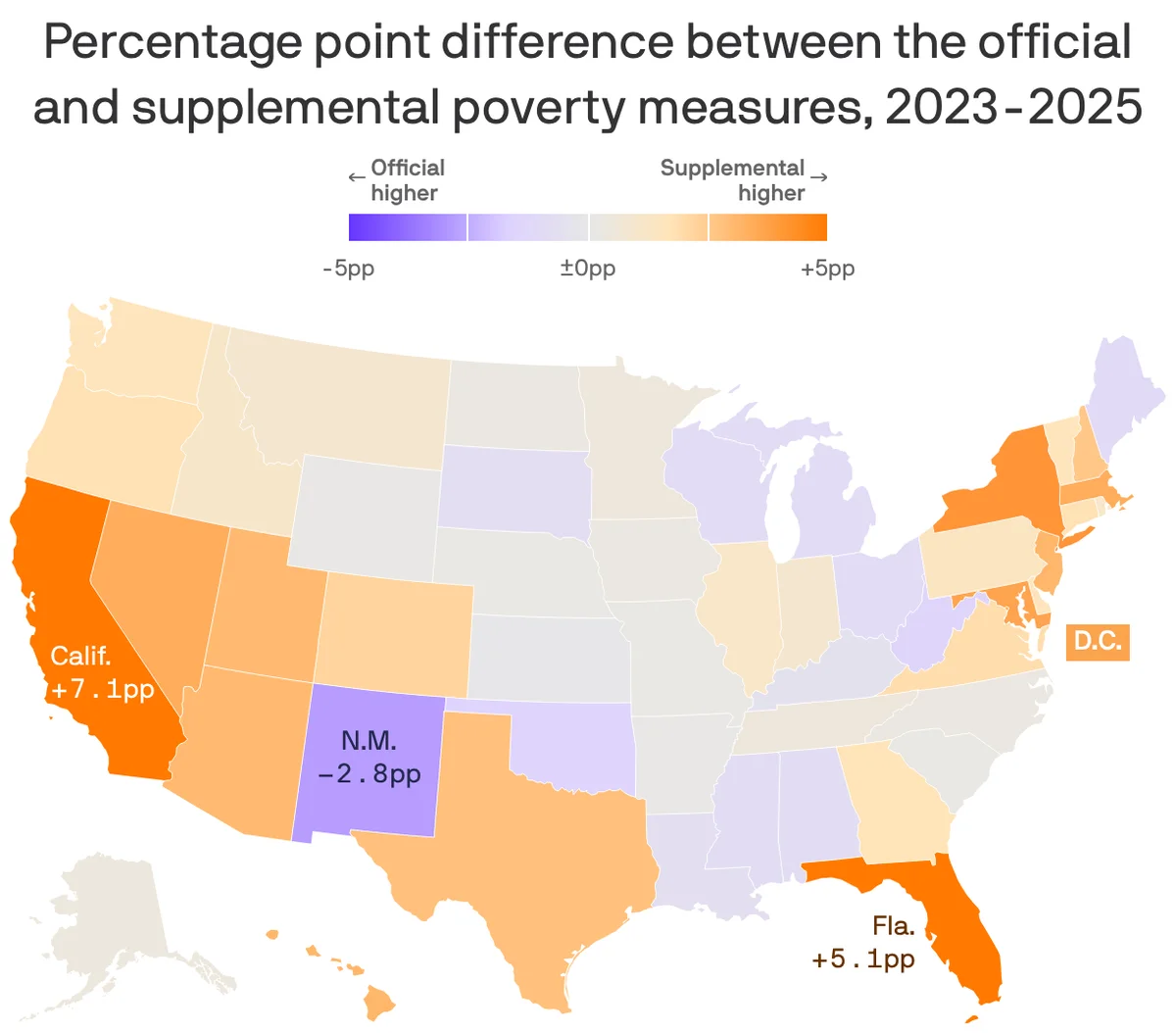
The overlooked geography of American poverty When considering the cost of living, California and Louisiana unexpectedly rank among the states with the highest poverty rates. This contrasts with traditional poverty rankings which often highlight Southern states. Axios analyzed Census Bureau data for 2023-2025 after incorporating factors like housing, taxes, medical expenses, and government benefits. Under the traditional measure, Louisiana had a 19.6% poverty rate and California was at 10.7%. However, California's poverty rate significantly increased to 17.8% when using the Supplemental Poverty Measure (SPM). The SPM accounts for benefits, taxes, and expenses, and adjusts for geographic cost of living differences. This broader measure reveals a more nuanced picture of poverty beyond just pre-tax cash income. The SPM remained statistically unchanged nationally at 13.1%, nearly three percentage points higher than the official rate of 10.2%. While median household income reached a record high, the SPM serves as an additional perspective on financial realities. State poverty figures are based on three-year averages due to sample size limitations. Ultimately, income alone does not fully indicate a family's ability to meet their needs. https://www.axios.com/2026/10/18/american-poverty-map-states-california-louisiana axios.com
Wanted: Chief small talk officers. Awkward applicants welcome Many people struggle with small talk, with some younger Americans admitting they simply don't know how to engage in it. A communication app called RiseGuide is testing a theory that direct experience with strangers can rebuild social confidence. To do this, they are hiring three "Chief Small Talk Officers" for a month-long paid gig. These individuals will approach strangers in public places like parks and bookstores to practice initiating conversations. They will track their progress, including conversation length and receptiveness, and self-assess their skills before and after. RiseGuide believes social confidence is trainable, not an innate personality trait, and aims to help users become comfortable with real-life interactions. The decline in opportunities for spontaneous conversations is attributed to smartphones and personalized digital feeds, which offer niche interests instead of shared cultural reference points. Even traditional social hubs like bars are seeing reduced casual interactions as people opt for their phones. This avoidance, while sparing potential awkwardness, also deprives individuals of the psychological benefits of casual encounters. Research suggests interacting with strangers can lead to more positive experiences than remaining isolated. The ultimate goal is not to become an extrovert but simply to become more comfortable with the discomfort of starting conversations with unfamiliar people. https://www.axios.com/2026/10/18/small-talk-officer-job-social-skills axios.com
Trump's Russia waiver draws instant bipartisan backlash President Trump's decision to waive sanctions on Russia has drawn widespread bipartisan condemnation. Top Republicans and Democrats alike have labeled the move irresponsible and a "deal with the devil." This action occurred shortly after Congress approved these sanctions a month prior. Trump issued an executive order late Friday, waiving the implementation of the recently signed Sanctioning Russia and Iran Act. This act would have levied broad sanctions on countries purchasing Russian oil. Democrats strongly criticized the decision, stating it provided life support to the Russian economy and defied congressional intent. Republicans also expressed anger, arguing that economic pressure on Russia should be increased, not eased. Some Republicans questioned the President's understanding of the law passed by a significant Senate majority. One congressman predicted congressional pushback during the upcoming lame-duck session. The White House defended the decision, claiming it aids ongoing efforts to negotiate a peaceful resolution to the war. They stated enforcing sanctions now could impede these peace talks. The key issue moving forward is the extent of Congress's reaction upon its return. https://www.axios.com/2026/10/17/trump-russia-waiver-putin-republicans-democrats axios.com
Trump waives new Russia sanctions in the "national interests" President Trump waived new sanctions on Russia, citing U.S. national interests to delay implementing the Graham Act. This decision eases American pressure on Russia, diverging from bipartisan calls to intensify it. The waiver follows a recent deal allowing Russia to sell diesel internationally, which also drew criticism. This action places Republican candidates in a difficult position during the midterm elections, requiring them to defend Trump's warmer stance towards Russia. Ukrainian President Volodymyr Zelensky expressed disappointment, stating the Act could still be effective. The White House announced the executive order detailing the waiver’s implementation. The Graham Act, signed in September, imposed broad sanctions on Russia and its trading partners. Trump certified to Congress that the waiver is in the national interest of the United States. Both Republicans and Democrats condemned the waiver as a betrayal of Ukraine and a concession to Russia. Senators expressed dismay that the President was not enforcing a law passed with overwhelming congressional support. This waiver concludes a week where Trump significantly reduced pressure on Russia across various issues. Avoiding secondary sanctions also spares major Russian oil buyers like China and India from new U.S. pressure. Ultimately, Trump appears to be intensifying his stance of reducing pressure on Russia despite bipartisan opposition. https://www.axios.com/2026/10/17/trump-russia-sanctions axios.com
Zelensky says Musk-owned satellite system still restricted in Ukraine Ukrainian President Volodymyr Zelensky stated that Ukraine's use of SpaceX's satellite systems, Starlink and Starshield, remains partially restricted within Ukraine. These restrictions significantly impede the Ukrainian military's ability to utilize drones for intercepting Russian drones and delivering supplies to front-line troops. Ukrainian officials are actively investigating the cause, with conflicting accounts attributing the limitations to either a political decision by the Trump administration or Elon Musk. SpaceX claims technical issues, while internal company sources suggest White House involvement, and the White House points to Musk. Musk himself indicated the U.S. government controls Starshield and dictates usage limits. Former President Trump, however, denied White House involvement in the restrictions. Previous reports suggested Musk proposed throttling these networks to Trump, who reportedly did not object, though a White House official denied this. The systems, previously functional at speeds up to 400 kilometers per hour, are now limited to 161 kilometers per hour within Ukraine, a speed limit absent in EU countries during recent tests. This indicates a deliberate restriction applied specifically to Ukraine. Ukraine relies on Starlink for communications and defensive drones, while Starshield is used for offensive military operations. Ukraine's chief negotiator has engaged with Jared Kushner to discuss the Starlink issue and potential peace proposals. https://www.axios.com/2026/10/17/zelensky-starlink-elon-musk-trump axios.com
A welcome recovery milestone for Pope Leo after cancer surgery Pope Leo XIV has been discharged from the hospital following surgery to remove a cancerous nodule from his lung. The surgery successfully removed the lower lobe of his right lung. His discharge is significant as it allows him to proceed with his busy upcoming travel itinerary. It also helps to ease concerns about a potential leadership void within the Vatican. Doctors have confirmed the Pope is fit for discharge based on his current condition and recent medical tests. The Vatican had previously announced the planned surgery on October 11th. Following the operation, reports indicated the Pope was recovering well, walking, eating normally, and showing normal test results. Lung adenocarcinoma, the type of cancer involved, has high survival rates when detected early. The Pope's hospitalization had prompted prayers and well wishes from Catholics globally. Some groups, like those in Chicago, even prepared care packages for him. It remains unclear if further medical treatment will be necessary. https://www.axios.com/2026/10/17/pope-leo-xiv-lung-cancer-treatment-hospital-discharge axios.com
Trump ratchets up the chaos in an October barrage President Trump is embracing controversy as the election cycle intensifies, a pattern established over a decade of political survival. He expresses confidence that outcomes will ultimately favor him, a sentiment he has held throughout his presidency. The concept of an "October surprise" has become obsolete due to the constant stream of scandals and norm-breaking actions that define the final weeks of his administration. Trump's presidency is characterized by a consistent disregard for presidential norms, a trend observed since his second term began. Even the threat of losing congressional control has not deterred the audacious pace of his actions.This October alone has seen numerous controversial events, including a raid on a political opponent's home, calls to execute leakers, concessions to Vladimir Putin, and the use of taxpayer funds for political ads. Further controversies include a federal crackdown on the press, a $5,000 election promise, Department of Justice intervention in elections, and disturbing social media posts. Corporate and billionaire donations to his White House events have also come under scrutiny. Despite these issues, there have been rare instances where Trump was forced to retreat, such as abandoning the plan to livestream an execution and removing his press secretary due to credential issues. The administration views October as a continuation of his successful record, highlighting his fulfillment of campaign promises. However, the economic challenges and declining public confidence pose a significant threat. Trump's approach of treating this vulnerable moment as business as usual relies on his proven instincts for political survival. https://www.axios.com/2026/10/17/trump-october-midterms-controversy axios.com