Axios
Follow
Adapting to extreme heat takes more than changing the clock
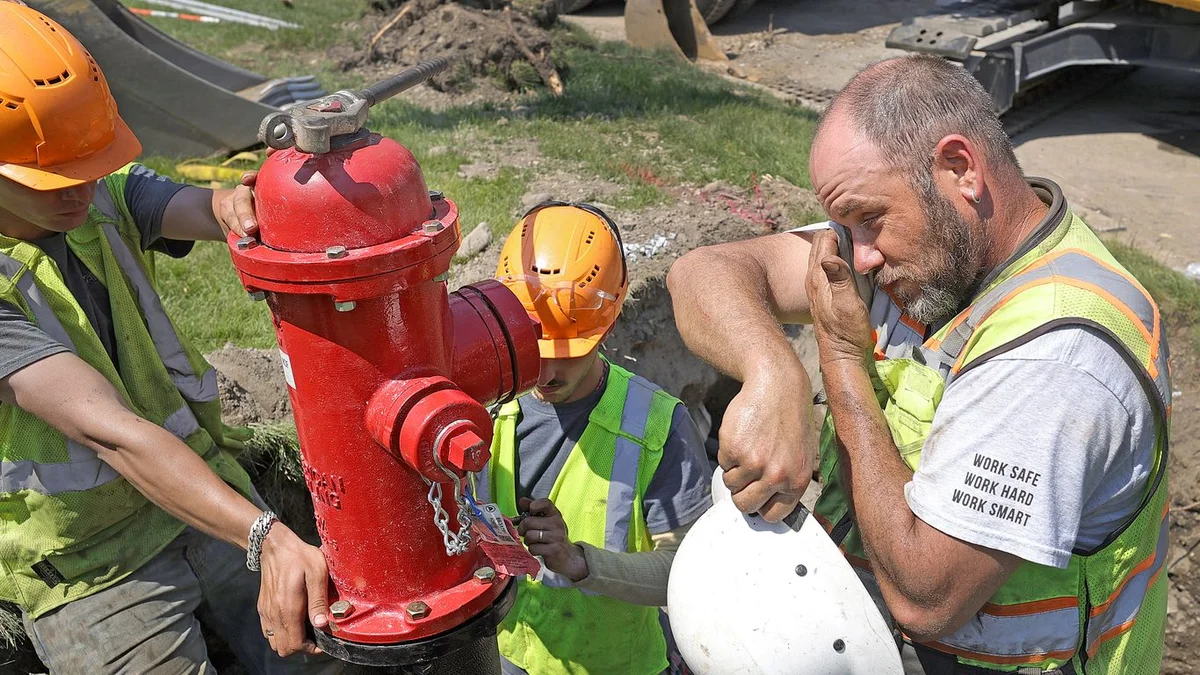
Extreme heat is forcing schools, sports teams, and outdoor employers to alter schedules and practices for safety. This adaptation is reshaping workdays and increasing reliance on cooling and energy infrastructure. Federal recommendations include shifting work to cooler parts of the day, shortening shifts, and rotating workers. California is linking heat protection to expanding indoor cooling access and strengthening energy systems. Oregon has a heat-illness prevention rule that mandates water, shade, and acclimatization, with more stringent measures at higher temperatures. Oregon OSHA has issued numerous citations and penalties for heat-related violations. In Texas, schools are moving sports practices to early mornings or late evenings, which extends the workday for staff. However, shifting schedules alone may not be sufficient as extreme heat also strains the electricity grid, impacting cooling systems.Workers' own metabolism significantly contributes to heat load during strenuous activity, with rest and self-pacing being crucial for managing heat stress. Reducing work intensity or time can improve safety but may decrease productivity. Adequate rest and cooling can help workers remain productive and safe. In places like Phoenix, changes to working hours are already a reality due to persistent daytime heat. However, elevated nighttime temperatures due to climate change and urban heat islands are limiting how far schedules can be shifted for physical work. Ultimately, while schedule adjustments offer some relief, the increasing number of dangerously hot hours presents a growing challenge to finding safe times for outdoor activities.