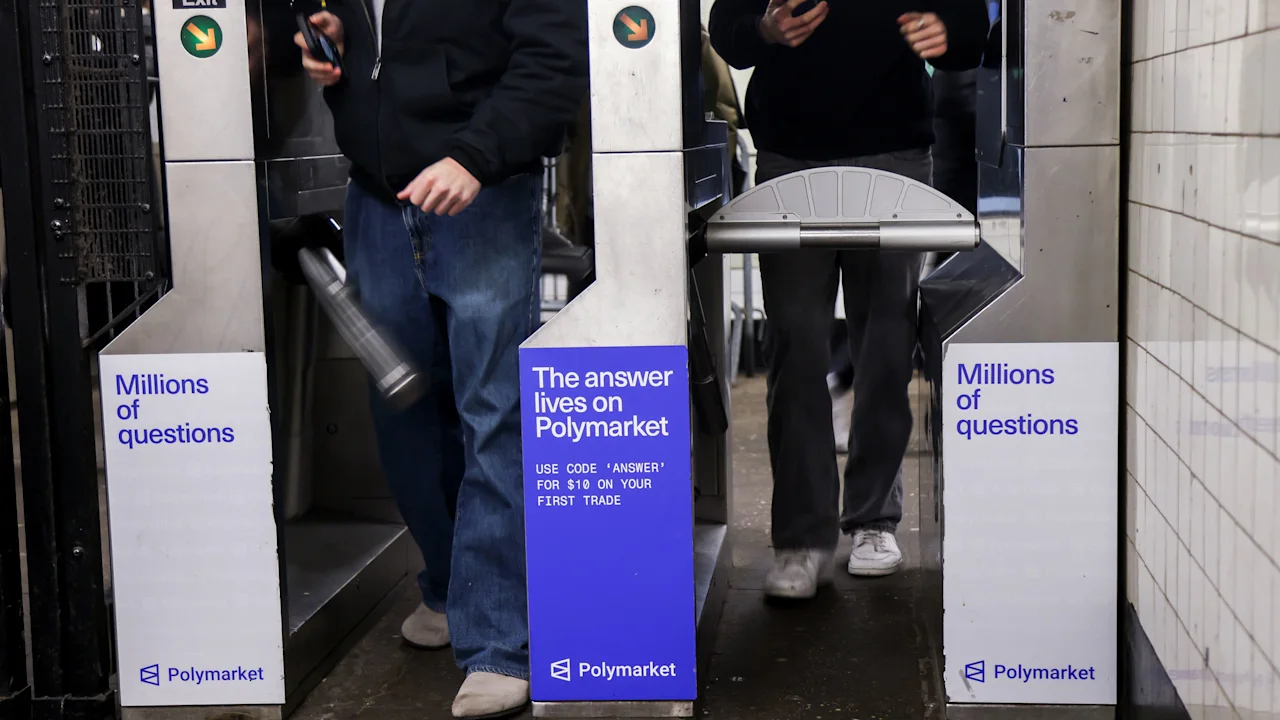
Prediction markets, like Polymarket and Kalshi, allow users to wager on real-world events, attracting significant betting volume, such as the timing of potential strikes against Iran. Some users have achieved substantial profits, raising suspicions of potential insider trading. These markets leverage real-world events as a marketing strategy to attract users. Evidence suggests that some users may have used privileged information to gain an advantage in these markets. While insider trading is illegal in traditional stock markets, it’s not necessarily forbidden in prediction markets. Despite regulatory oversight, there's growing dissatisfaction among users who feel disadvantaged due to information asymmetry. Regulatory bodies are increasingly scrutinizing these platforms, with legal actions and cease-and-desist orders being issued. The future of prediction markets appears uncertain as their popularity hinges on public trust and fair play. Increased attention could bring more users, but unequal footing and potential manipulation can erode consumer confidence. The perception of unfairness and potential for manipulation can undermine the long-term viability of these markets.

fastcompany.com
fastcompany.com

RSS Hunter
2026-03-03
Create attached notes ...