Fast Company
Follow
AI companies say they want to give billions away. Will they actually do it?
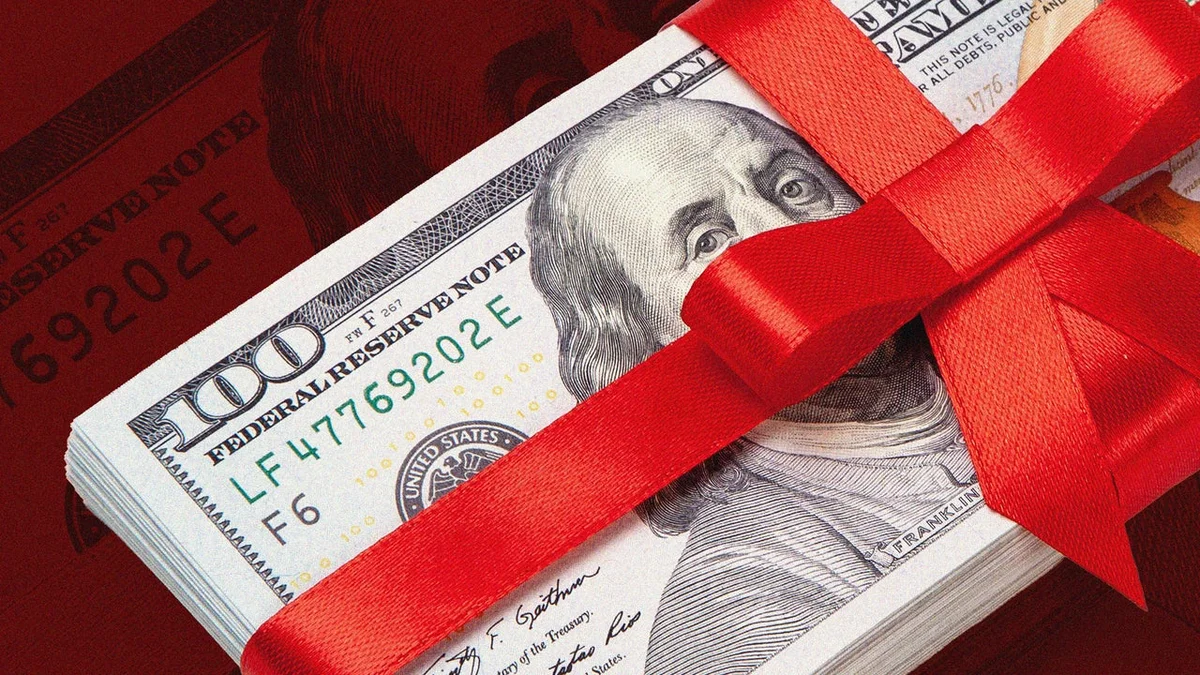
Several prominent figures in Silicon Valley are making significant charitable pledges. Elon Musk plans to allocate approximately 72 million SpaceX shares, worth about $10.5 billion, to every child in America next year. Anthropic, an AI company, intends to dedicate 5% of its shares, potentially valued at $48 billion, for public benefit. OpenAI has also committed billions to charitable initiatives, including recent grants from its People-First AI Fund.However, the execution of these ambitious promises presents considerable complexities. Unlike immediate financial commitments, these are primarily stated intentions that require further development. Anthropic's proposal, for example, is contingent on shareholder approval to transfer shares into a controlled LLC for charitable distribution. OpenAI's approach involves its nonprofit foundation, which holds a substantial stake in the AI company, and has already disbursed some grants while maintaining future commitments.Musk's plan for SpaceX shares, reportedly to be distributed through investment accounts, remains largely undefined. While some experts are optimistic, citing a history of philanthropy by the wealthy, others urge caution. A pledge is not the same as a completed donation, and the proposed structures may offer companies significant control with fewer disclosure requirements.The timing and beneficiaries of these generous offers are also subjects of scrutiny. Research on initiatives like the Giving Pledge suggests that many billionaires have grown wealthier despite their commitments. Therefore, establishing clear accountability mechanisms to ensure these pledges are fulfilled is crucial, just as it is to understand how much control companies will cede and how rapidly the funds will reach intended recipients.