UX Collective | Medium
Follow
AI-generated UI is fast design, not UX
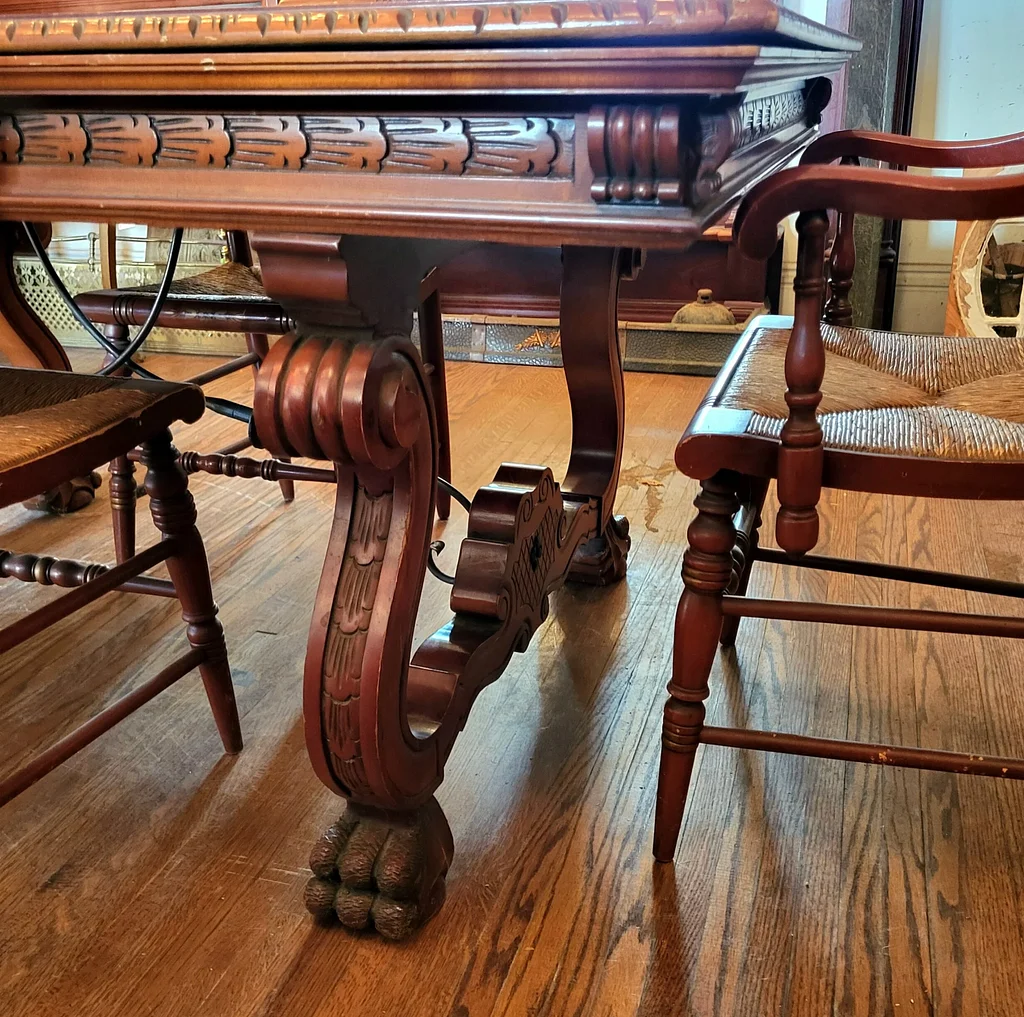
Growing up surrounded by antique architecture instilled an early appreciation for tangible craftsmanship. The author contrasts this with their current home, filled with poorly designed, mass-produced furniture that lacks any sense of awe. This decline in craftsmanship mirrors a broader industry trend towards cheaper materials and faster production. Historically, furniture was made with quality wood, but now press board and veneer dominate, leading to disposable items. This has resulted in a significant increase in furniture waste ending up in landfills.The author yearns for the experience of visiting their stepfather's salvage yard, where people seek out enduring pieces and human connection. They question why companies prioritize rapid, low-quality production over lasting value, debunking the notion that customers cannot afford better. The problem lies not with customers but with the false assumption that cutting out manufacturing partners yields desirable products. Companies like Patagonia demonstrate the success of prioritizing quality and sustainability through their Worn Wear program.The author argues that while AI can be a useful tool, it cannot replace human problem discovery and the freedom to wander and experiment. The "prompt first, think never" mindset driven by AI leads to "AI slop," which is aesthetically pleasing but functionally useless. This fast design approach sacrifices the design process and valuable learning opportunities. The case of Air Canada highlights the risks of unchecked AI implementation, leading to legal consequences.Ultimately, designers risk becoming custodians of AI-generated mess rather than innovators. The author advocates for rediscovering the value of problem discovery and the creative process, similar to their stepfather's dedication to preserving craftsmanship. True innovation requires understanding user needs and valuing the journey of creation, not just the rapid output.