UX Collective | Medium
Follow
AI is lying to us, and nobody seems to care
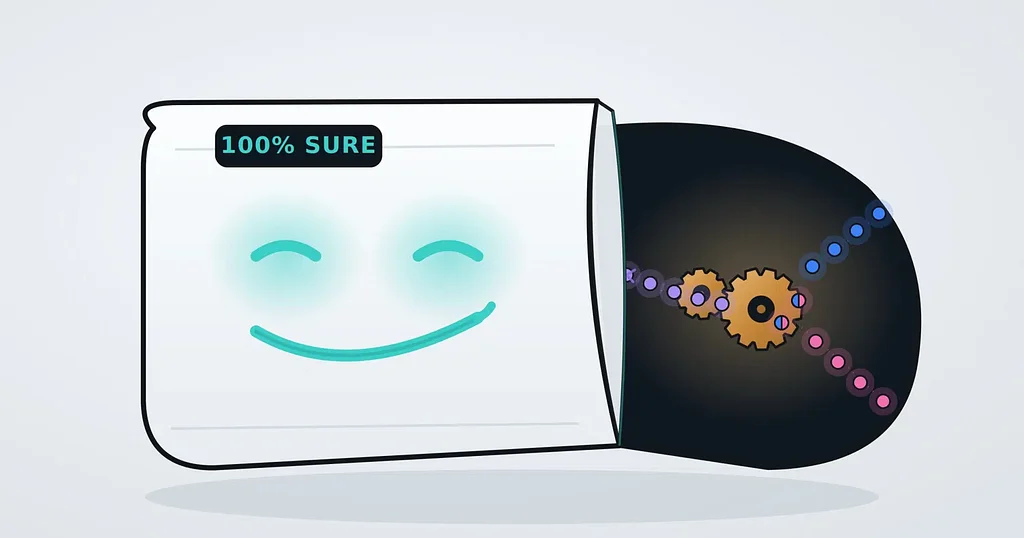
AI models often present confident answers without revealing their reasoning process, leading users to trust them implicitly. This lack of transparency makes it difficult to identify errors and hinders user understanding. The current approach of burying the AI's development process is flawed because it prioritizes perceived intelligence over genuine trustworthiness. True trust is built through "trust calibration," where users can assess how an AI arrived at its conclusions.An AI product that openly displays its reasoning steps allows users to scrutinize, question, and even interrupt the process. This transparency, coupled with the AI's acknowledgment of uncertainty, fosters a more reliable and collaborative interaction. While showing the complex internal workings can be overwhelming, selective transparency, highlighting crucial decision points and areas of doubt, is essential.AI models are inherently designed to generate plausible output, which can lead to overconfident guesses, especially in practical applications where helpfulness is prioritized. This tendency to always provide an answer, regardless of certainty, creates "automation bias" in users. To combat this, a "harness" or framework is necessary to impose rules and limitations on the AI's behavior.This harness compels the AI to admit when it's unsure, a crucial element for building accurate trust. Instead of forcing an explanation, the AI should be programmed to pause and seek clarification. This selective prediction, allowing the AI to remain silent when uncertain, prevents users from blindly accepting incorrect information. Ultimately, an AI that can articulate its confidence levels and admit when it doesn't know fosters a more responsible and trustworthy user experience.