Fast Company
Follow
AI music’s proliferation on streaming services has been a boon for this Spotify competitor
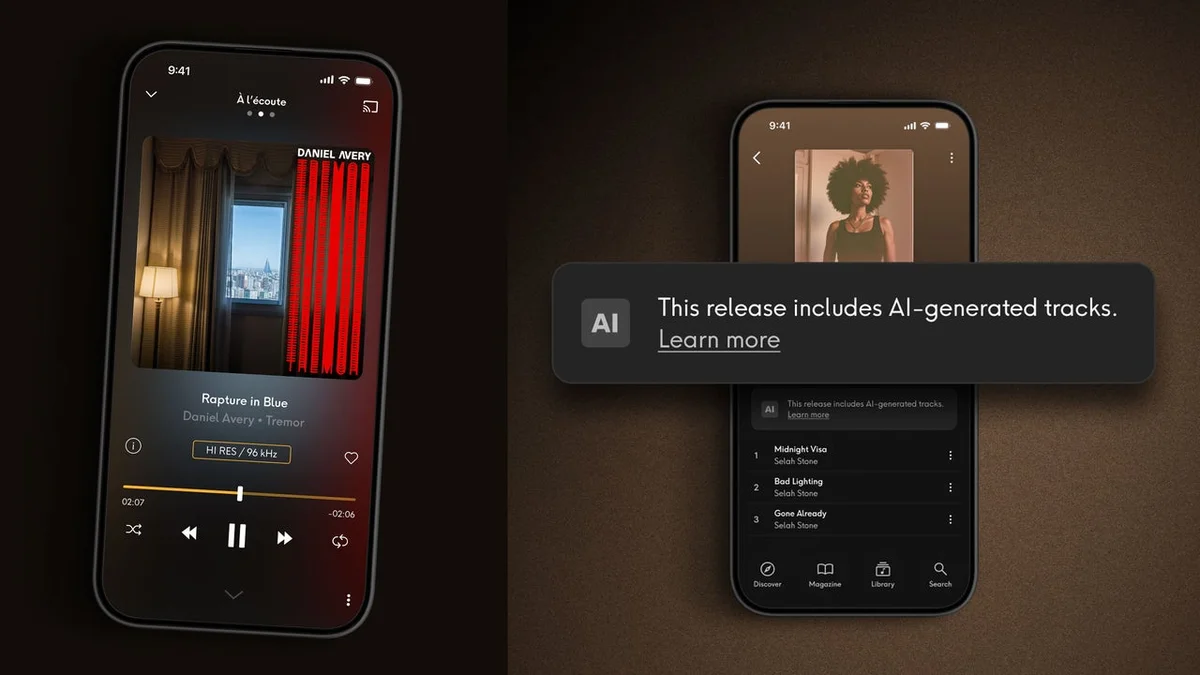
Streaming service Qobuz is experiencing a surge in AI-generated "music-esque content," a term its Managing Director, Dan Mackta, uses to differentiate it from human-created music. While major streamers like Deezer receive tens of thousands of AI songs daily, Mackta views this influx as fraud and a resource drain. Despite this challenge, Qobuz has seen significant growth, with a 45.7% revenue increase and 1.2 million monthly active users, partly due to increased brand awareness and a viral moment stemming from Spotify ads. Qobuz maintains a core focus on authentic creativity through high-quality audio, human curation, and original editorial content. The company actively combats AI content by removing unlistened tracks, excluding fraudulent streams from royalties, and tagging AI-generated music. Qobuz's commitment to quality is evident in its pioneering lossless audio offerings, superior to even Spotify's, and its weekly human curation process for all content. The platform's in-app magazine further enhances the user experience by pairing articles with artist profiles, emphasizing immersion. Qobuz's values resonate with artists, attracting exclusives like Yasiin Bey's album, and with music journalists who appreciate its sound quality and human-centric approach. Despite Qobuz's success with superfans, experts believe a mass exodus from Spotify is unlikely, as most users prioritize convenience over combating AI. The proliferation of AI content exacerbates the struggle for artists to earn royalties, competing with AI for a shrinking share of revenue. Experts suggest that a greater focus on artist context alongside songs could mitigate AI's disruptive impact on the market.