Google Cloud Blog
Follow
Anomaly detection using dynamic thresholds and two-year-long alerts in Cloud Monitoring
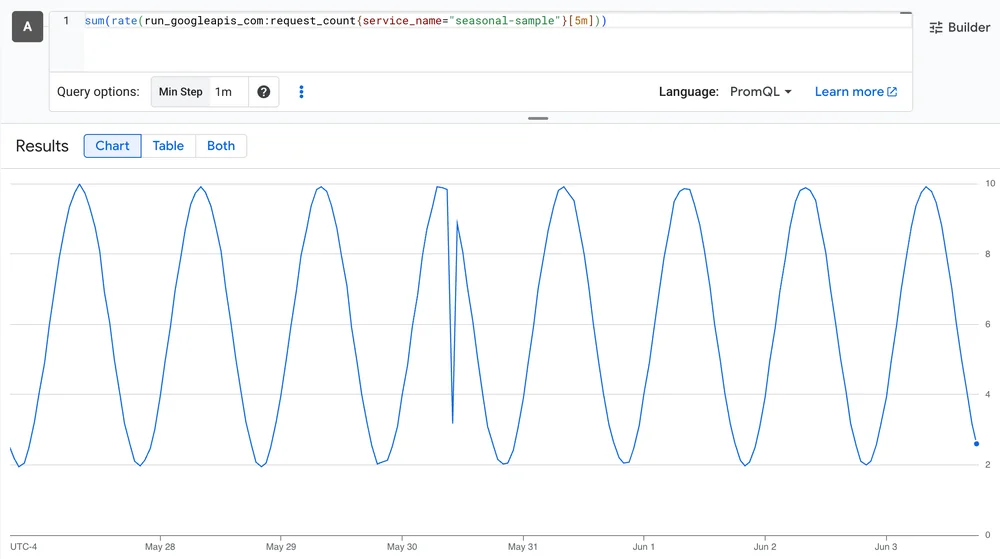
Setting alert thresholds has been challenging due to the need for historical data analysis and the limitations of static thresholds with growing workloads. Metrics that vary by time of day are particularly difficult to monitor with fixed thresholds. Cloud Monitoring alerts now offer long lookback alert policies for PromQL, currently in preview, which utilize up to two years of metric data. This feature enables dynamic thresholding, where alerts trigger based on a metric's historical behavior rather than a fixed value. For instance, an alert can be set to fire if recent performance deviates significantly from a longer historical average. Various algorithms are available for dynamic thresholding, including moving averages for stable data, z-scores for volatile data, and seasonal decomposition for time-of-day patterned metrics. Moving averages compare recent trends to a long-term average, while z-scores identify anomalies based on standard deviations. Seasonal decomposition compares current data to corresponding historical periods, ideal for metrics with daily or weekly patterns. Dynamic thresholds can also be used to prevent cost overruns by automatically adjusting quotas when spend metrics show anomalous increases. Cloud Monitoring is developing more advanced anomaly detection features using AI models. Users can sign up as design partners to provide feedback on these new capabilities.