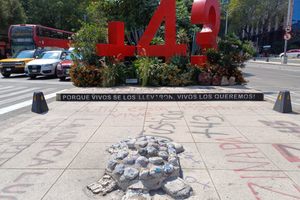
Antimonumentas and Antimonumentos in Mexico City, Mexico
Mexico has faced significant challenges, including high homicide rates, massacres by organized crime, and human rights abuses by authorities. In response, the civilian population has often taken self-defense measures and demanded government accountability. This context has led to the proliferation of antimonuments, primarily in Mexico City. These installations challenge state power and societal failures, addressing issues like corruption and negligence. They commemorate over fifty years of struggle, from the Tlatelolco Massacre in 1968 to protests against gender-based violence. The Glorieta de las Mujeres que Luchan, formerly the Columbus Roundabout, exemplifies this, featuring a feminist antimonumenta after a statue was removed during a femicide protest. The feminization of nouns in Spanish, like "monumenta," reflects ongoing debates about gender identity and activism. Many antimonuments display a plus sign followed by a number, representing the victims of specific incidents. These include the +43 for disappeared students, +72 for massacred migrants, and +65 for mining disaster victims. These symbols serve as powerful reminders of human lives lost and demand recognition beyond mere casualty counts.