Axios
Follow
As Israeli election looms, Trump advisers see opportunity beyond Netanyahu
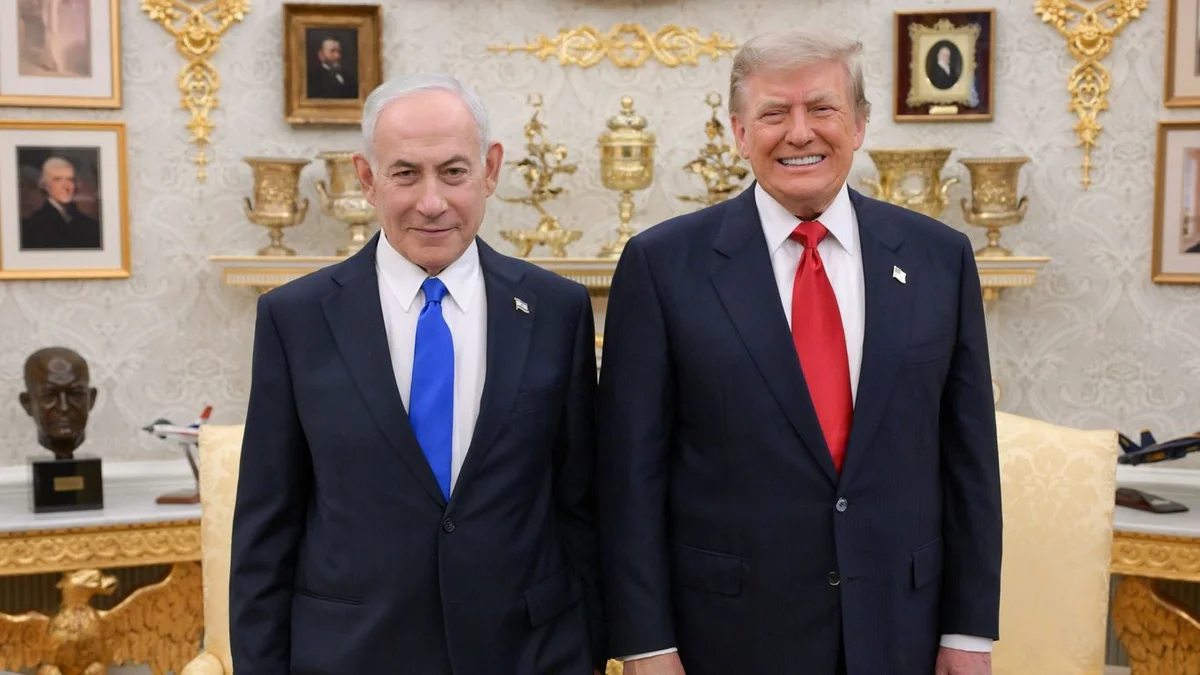
President Trump has endorsed Benjamin Netanyahu in Israel's election, but some advisers see opportunities with other leaders for his Middle East agenda. Trump has a close, yet turbulent, relationship with Netanyahu, the only Israeli prime minister he has worked with. Trump's endorsement of Netanyahu is seen as a win-win, allowing him to claim credit if Netanyahu wins or providing leverage if he remains caretaker. If Netanyahu loses, new Israeli leaders would still seek good relations with Trump. Many of Trump's closest advisers opposed the endorsement, believing he should stay out of the election. Vice President Vance, for example, declined to endorse Netanyahu, having become disillusioned with him during the war with Iran. Vance and other aides question if Netanyahu is the best partner for Trump's regional ambitions.After the Israeli and U.S. midterms, Trump faces a choice on whether to join Netanyahu in another military operation against Iran. Netanyahu is eager to proceed, but election results could influence Trump's decision and timing. Trump also desires to implement his Gaza peace plan, broker deals between Israel, Lebanon, and Syria, and secure an Israeli-Saudi peace agreement. Progress on these goals depends on who governs Israel and the coalition formed. Some of Trump's top advisers have grown dissatisfied with Netanyahu on key regional priorities, including Gaza, Syria, Lebanon, and the West Bank. They believe a new Israeli government without Netanyahu's far-right coalition partners might be easier to collaborate with.Recent polls show Netanyahu's coalition falling short of a parliamentary majority, projecting around 50 seats in the 120-member Knesset. Former military chief Gadi Eisenkot's opposition bloc is projected to get between 52 and 56 seats, with Arab Israeli parties securing an additional 14 to 16. These polls suggest a potential political deadlock, as neither Netanyahu nor Eisenkot appears to have a clear path to the 61 seats needed to form a government. Eisenkot would need support from Arab Israeli parties, which he has ruled out for a coalition. A unity government between Netanyahu and his rivals is considered highly unlikely, and if no majority is formed, Israel could face another election, leaving Netanyahu as caretaker prime minister.In conclusion, Tuesday's election might not bring a new government more receptive to Trump's agenda. Instead, it could leave him dealing with a weakened Netanyahu and an Israeli political system embroiled in another prolonged crisis. This situation would complicate Trump's efforts to advance his Middle East policies and secure his ambitious diplomatic goals.