Axios
Follow
Behind the scenes: How shared fear of Iran led to an Israel-Lebanon deal
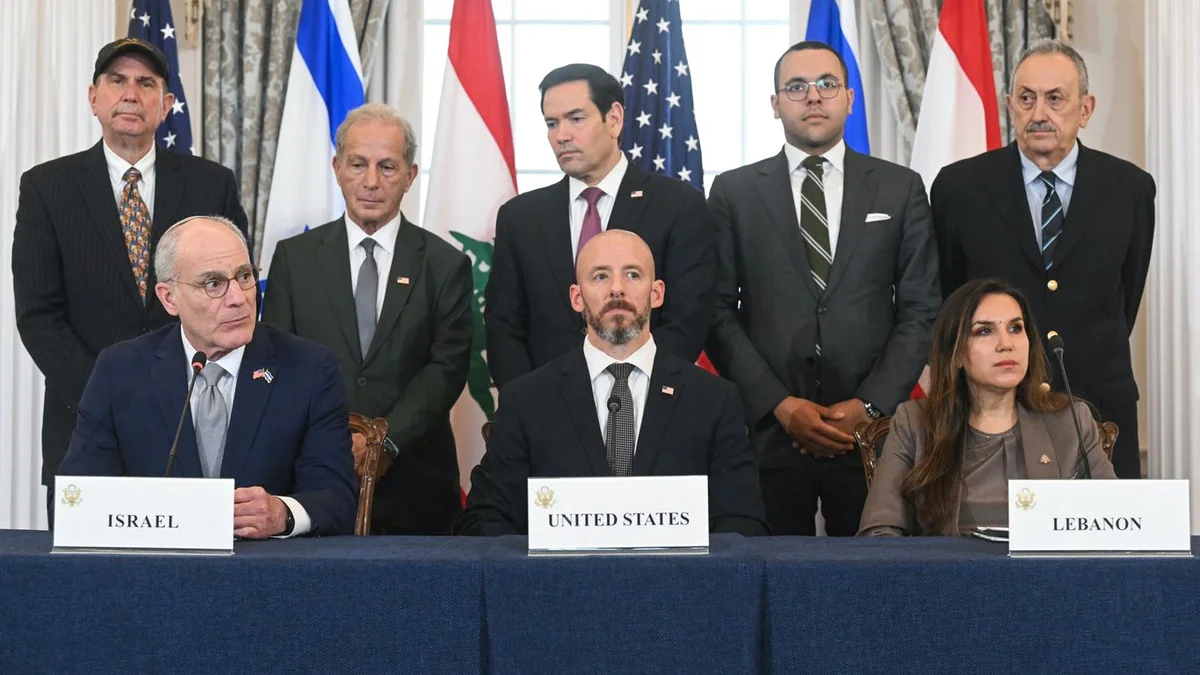
Four days of intense negotiations between Israel and Lebanon in Washington aimed to weaken Hezbollah and Iran's influence in Lebanon. The Trump administration brokered this agreement, the most significant political accord between the two nations in four decades. However, skepticism about its implementation and fears of a violent Hezbollah response loom large. The deal also seemed to conflict with US-Iran understandings reached in Switzerland, creating a fragile truce. Iran had integrated the Lebanon situation into its negotiations with the US, leading to a ceasefire memorandum of understanding. This US-Iranian agreement, which included Lebanon and other mediators, surprised Israeli and Lebanese officials. They viewed it as potentially strengthening Hezbollah and legitimizing Iranian influence. During talks, the Israeli ambassador strongly criticized the US-Iranian understandings, questioning the US commitment to weakening Iran. Lebanese representatives also sought clarification, as the first day of talks proved difficult. The negotiations proceeded on security and political tracks, focusing on a framework agreement, security annex, and Israeli withdrawal from pilot zones. Progress stalled on Thursday as positions hardened, particularly regarding Israeli withdrawals. Both Israeli and Lebanese leaders requested more time, extending the talks. Secretary of State Rubio and Vice President Vance engaged leaders to emphasize the urgency of a deal. Rubio directly participated in the final push on Friday to resolve remaining issues. The US requested Israeli withdrawals from a village and a commitment to a broader redeployment process. Despite initial Israeli resistance, the US urged them to accept the deal as a significant achievement. A deal was seen as necessary for both parties to control the process and prevent Iranian interference. The agreement immediately heightened internal tensions in Lebanon, with Hezbollah attempting to organize protests. Hezbollah criticized the deal as a surrender of sovereignty and vowed continued resistance. President Trump congratulated the Lebanese President on the deal and pledged US support for its implementation and Lebanese sovereignty. A meeting between Trump and the Lebanese President at the White House is anticipated in July.