ZeroHedge News
Follow
Buying Bullsh*t In "4 Easy Payments"
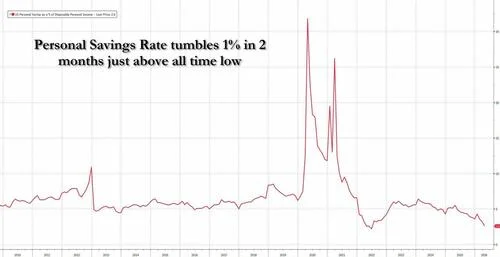
The author has consistently viewed the buy now pay later (BNPL) sector as a poor financial idea. Recent signs suggest this sector is facing difficulties, with a large company experiencing issues. As consumer savings dwindle and loan delinquencies rise, more negative reports are expected from BNPL companies. The core of BNPL is essentially lending to those with insufficient funds, often for trivial purchases. This practice represents financial distress rather than innovation. Credit is typically for bridging income gaps for significant purchases, but BNPL for everyday items signals deeper financial problems. The author argues BNPL has evolved into a digitally optimized form of payday lending or high-risk consumer finance. While technology and branding change, the fundamental economics of lending remain constant. BNPL businesses can appear strong during economic expansions but falter when economic conditions tighten. Subprime credit trends, like consumers financing small purchases, can be an early indicator of economic weakness. Klarna's recent report showed surprising quarterly profit but also a lowered future revenue outlook, causing its stock to drop significantly. This indicates markets are more concerned with future prospects than past performance. The increasing reliance on BNPL for everyday spending, even for small amounts, suggests deteriorating household liquidity. Leadership changes at Klarna further fueled market concerns about its future. The author sees Klarna's situation as evidence of consumer financial strain, not just an isolated company issue. The true test of a credit model lies in its performance during economic downturns, not just during growth periods. Financing small, everyday items due to a lack of funds is a sign of distress, not convenience. The author believes the current stock market exhibits bubble characteristics, with BNPL being a concern. Ultimately, the BNPL revolution might be built on the age-old practice of lending to those with limited means.