Axios
Follow
China's AI progress strains U.S. alliance pitch
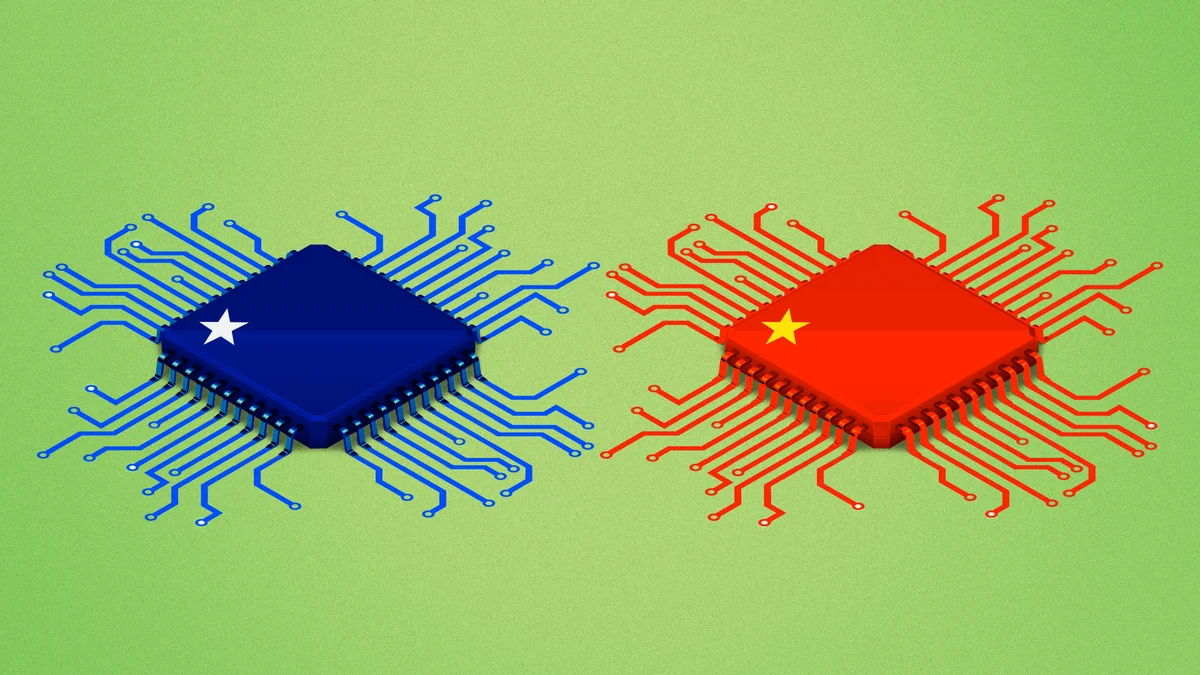
The United States is actively promoting its AI technology globally while China's affordable and capable AI models gain traction. Chinese AI doesn't need to surpass U.S. leaders to influence the global AI landscape; usefulness and widespread adoption are key. Experts believe an inconsistent U.S. export control strategy and underestimation of China's open-source AI dissemination hinder American AI's global reach. The State Department's Pax Silica initiative aims to build a U.S.-centric AI and chip supply chain, reducing reliance on China. This move follows export controls on Anthropic's advanced models, creating industry uncertainty. Meanwhile, Chinese AI models are closing the capability gap and are significantly cheaper. Some compare China's approach to its "Huawei strategy" but applied to open-source AI, potentially creating widespread reliance on Chinese infrastructure. The U.S. is urging allies to adopt American AI and views "digital sovereignty" as counterproductive. However, many countries are balancing U.S. cooperation with their own pursuit of technological autonomy. Ultimately, the U.S. faces the challenge of not only leading in AI innovation but also persuading the world to build upon American AI.