Axios
Follow
Climate change is fueling wildfire risk — and anxiety
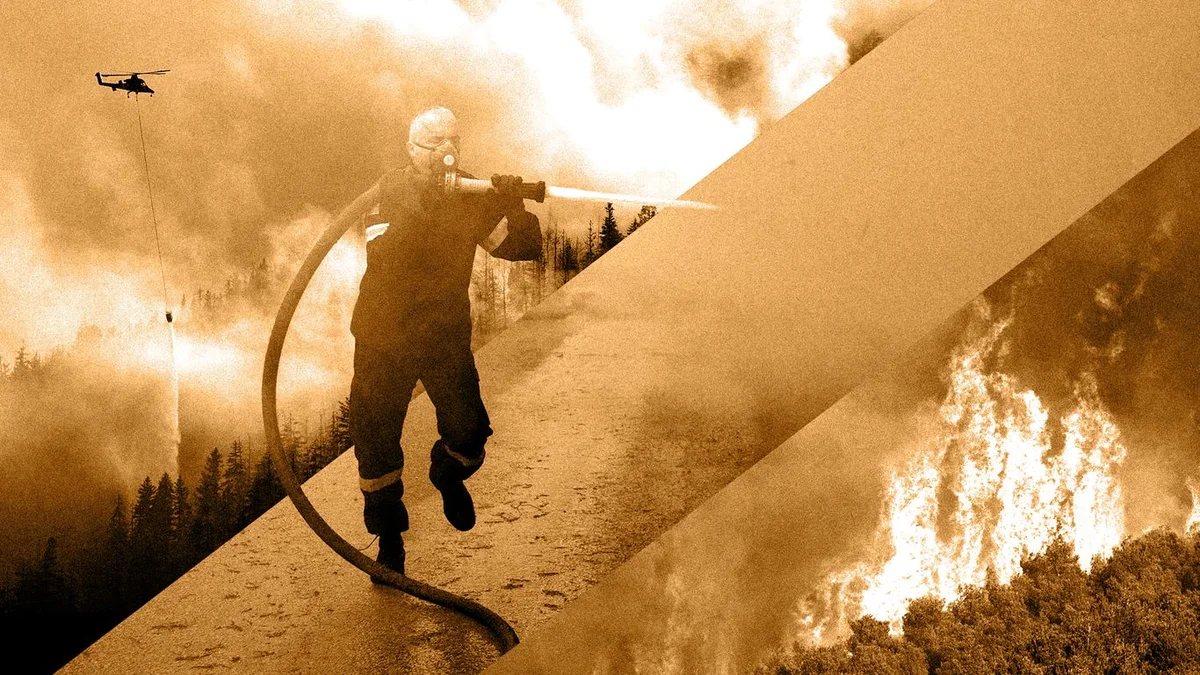
Wildfire smoke blanketing Seattle highlights the increasing reach of destructive fires. Climate scientists link these intensified fires to global warming, raising questions about safety. Major fires currently impact Spokane, Washington, and extend to France, Spain, and Canada. Catastrophic fires have repeatedly devastated communities worldwide over the past decade. While climate change doesn't cause wildfires, it exacerbates them by creating hotter, drier conditions. Combined with population growth in fire-prone areas, this leads to increased exposure. Factors like wind, lightning, or arson can ignite these devastating fires. Places affected, like Spokane, France, and Hawaii, share hotter temperatures and longer fire seasons. The direct impact on individuals often supersedes the broader climate change conversation. People focus on immediate evacuation plans rather than long-term solutions during a crisis. This disconnect explains parallel conversations about adaptation and mitigation. Cutting emissions is crucial long-term but doesn't solve immediate evacuation needs. The current fire season is far from over, with many fires expected to burn until substantial rain or snow.