UX Collective | Medium
Follow
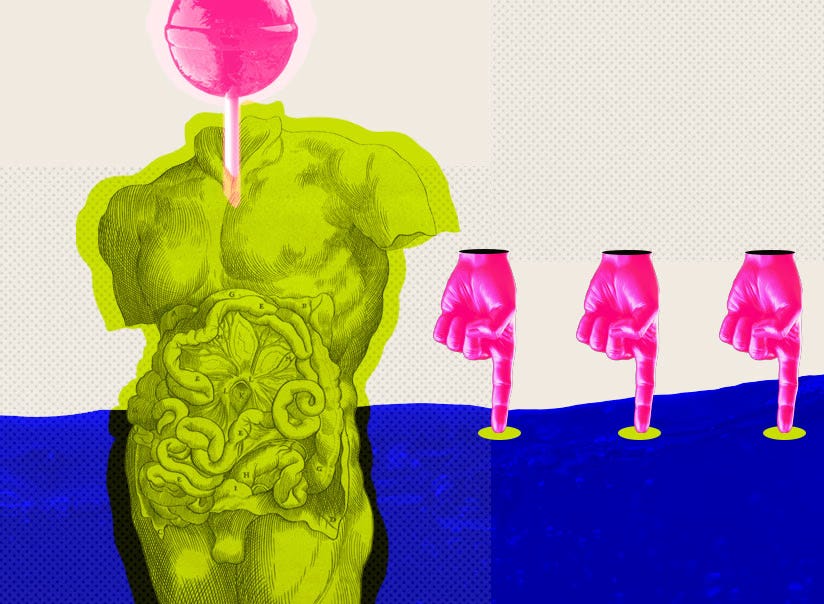
Colonoscopy and candy drops: on crafting a good peak-end experience
Our memory of an experience is heavily influenced by its peak emotional moment and its conclusion. This is known as the peak-end rule, which describes how cognitive distortions shape our recollections. Studies show that the ending of an experience, even if it extends the overall duration, can significantly soften the memory of any preceding discomfort. The "remembering self" dictates future choices, not the "experiencing self," making the ending crucial for customer retention. Misapplying this rule, like offering unwanted generic gifts at the end of a difficult project, can backfire and reduce satisfaction.Children's preferences for candy also illustrate this; receiving one desirable item is often preferred over a desirable item plus something less appealing. To design effective endings, one must understand user values and highlight brand differentiators. Identifying the true final touchpoint of an experience is also essential for designing impactful conclusions. Meaningful, personalized endings that align with user values and brand identity are more effective than costly, generic giveaways. Patagonia's footer, emphasizing environmental values, and a junior designer's bold "stalk me" footer, highlighting personality, are examples of intentional and effective endings. Ultimately, designing memorable experiences requires thoughtful research, conscious effort, and boldness, regardless of scale.