Axios
Follow
Drones have created a new energy security landscape
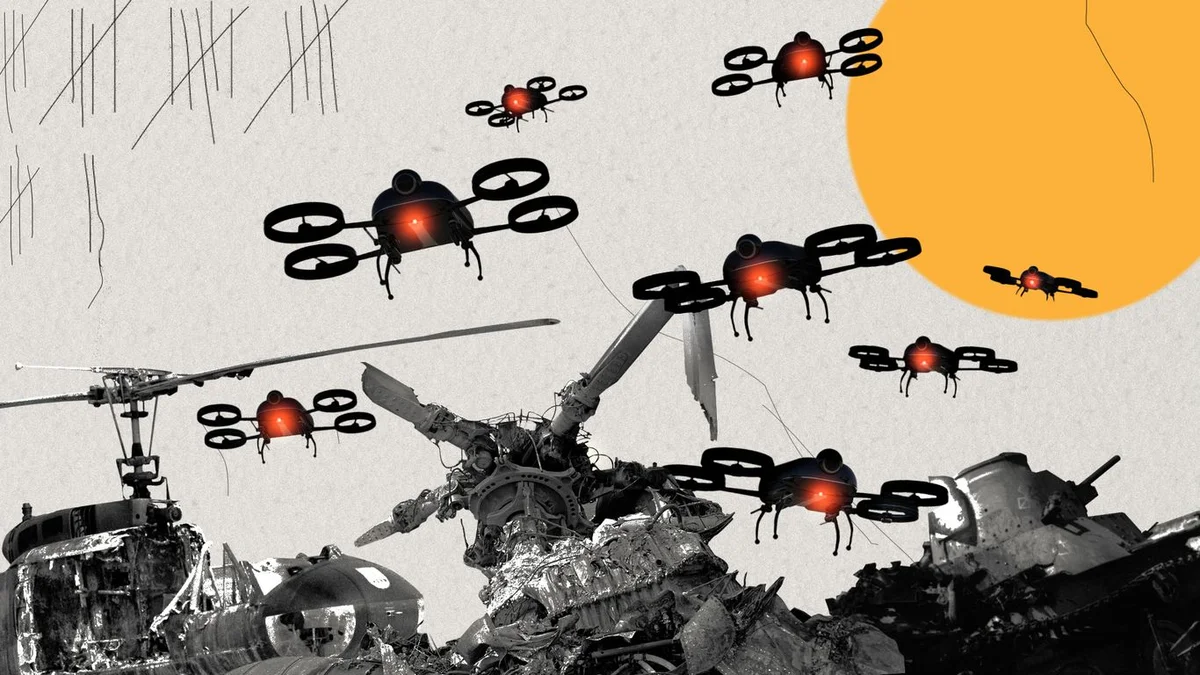
The proliferation of drone technology, particularly evident in the conflicts in Iran and Ukraine, facilitates cheaper and easier attacks on energy infrastructure, leading to global economic instability. This directly contributes to recent surges in oil prices, and the elevated costs of gasoline and diesel. The emerging threat from drones necessitates a reevaluation of security for energy infrastructure, including power grids, pipelines, and LNG ports. Experts emphasize that any new energy development in conflict-prone areas must incorporate robust drone defense strategies. Both Ukraine and Iran have effectively used drones to disrupt Russian oil infrastructure and international shipping lanes, highlighting their impact. The ease with which localized conflicts can trigger global economic shockwaves through drone attacks on energy highlights a critical vulnerability.This new reality demands a complete paradigm shift in energy planning, moving away from large-scale, centralized infrastructure towards more distributed and modular networks. While distributed systems may incur higher costs, they offer greater resilience against attacks, as demonstrated by Ukraine's adoption of mobile power sources. Fixed infrastructure like pipelines presents unique challenges for defense, requiring a mix of existing anti-drone technologies such as netting, lasers, electronic jamming, and missile systems. However, current military planning often underestimates the evolving threat of drone attacks on energy supplies. Expensive missile interceptor systems cannot realistically cover all critical infrastructure. Therefore, a comprehensive rethinking of energy defense is crucial, advocating for decentralization, microgrids in high-risk areas, and hardening large, indispensable assets. Enhanced cooperation between the military and energy industry is vital, recognizing energy security as a primary concern.