UX Collective | Medium
Follow
Figma just made your design system debt everyone’s problem. Now use it.
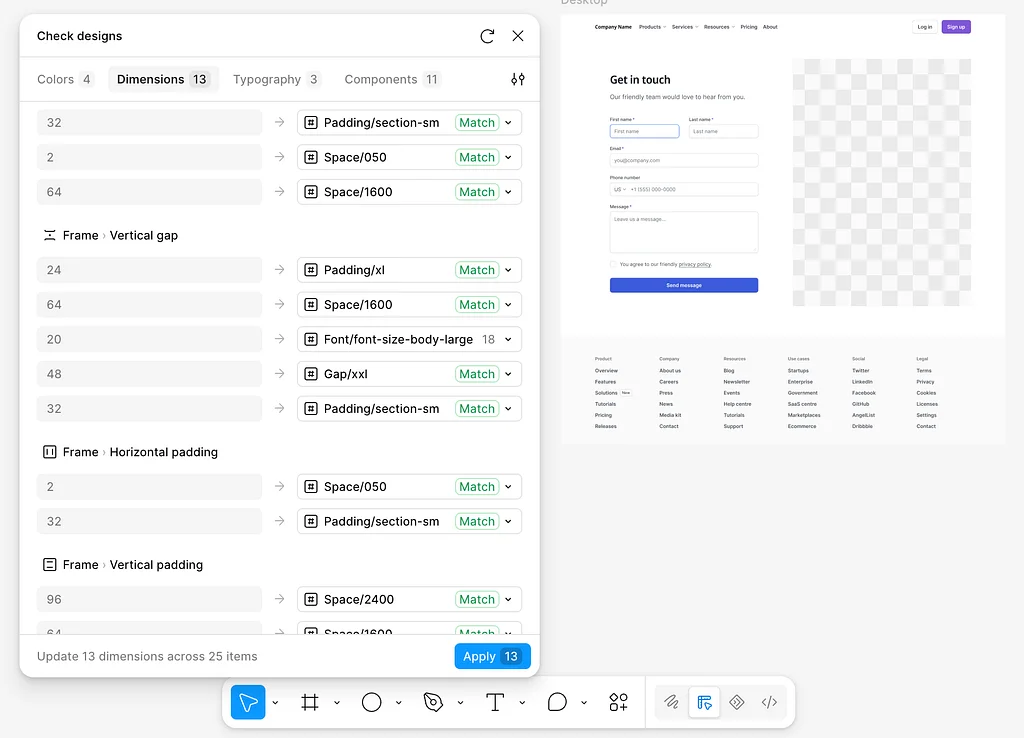
Config 2026 significantly amplified the visibility of design system decay, shifting its impact from a quiet burden to a public concern. Figma's 2026 releases, including AI agents, Code Connect, and Check Designs, all rely on a healthy design system. When the system is compromised, these new tools produce flawed outputs, making inconsistencies apparent to a wider audience. Check Designs, in particular, quantifies design system violations, turning vague complaints into undeniable numbers. This newfound visibility makes it harder for leadership to ignore design system debt, as its negative consequences now affect engineers, product managers, and marketers. Previously, the cost of a poor design system was borne solely by its maintainers, but now, its failures are more broadly felt across teams. This visibility, however, does not automatically grant authority to address the issues. The core processes for design system governance remain invisible and difficult to champion. Furthermore, tools like Check Designs can produce false positives, allowing skeptical stakeholders to dismiss the data. The author suggests reframing design system work as a crucial dependency for new AI features, rather than a matter of craft. They advocate for presenting data from the worst-case scenarios to emphasize shared cost. Config 2026 provided proof of shared failure, but the authority to act upon it remains the critical, unanswered question.