Fast Company
Follow
Flock cameras have an architecture problem, not just bad users
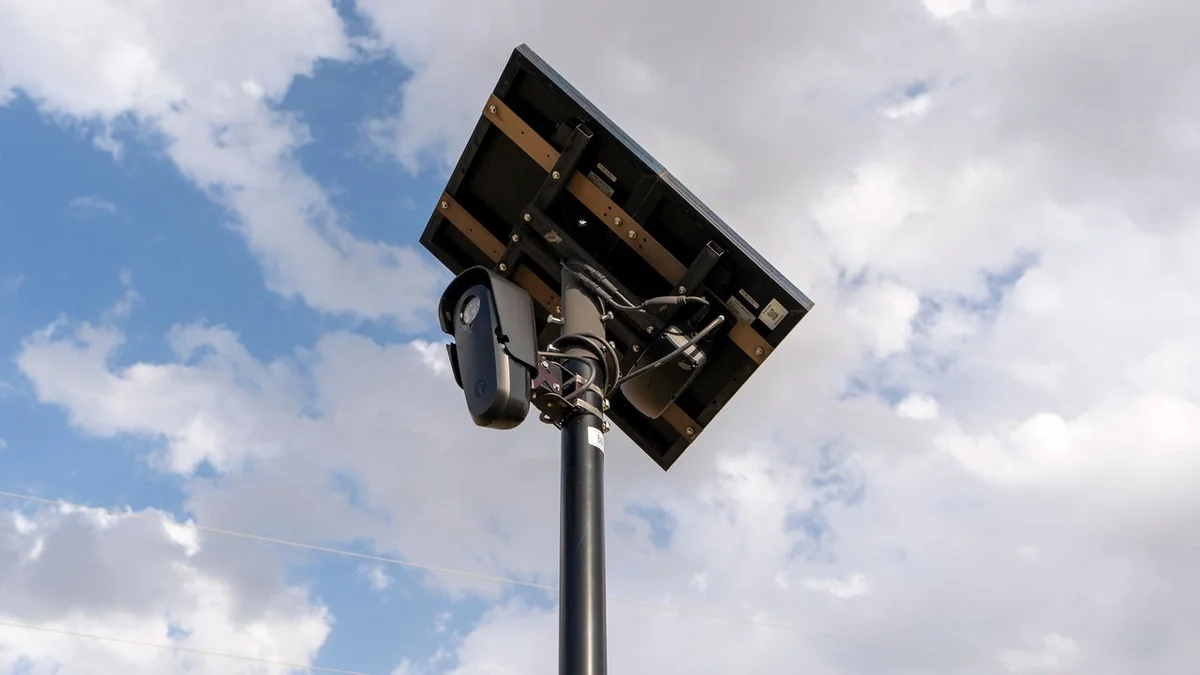
Marci Bakely experienced persistent harassment from her ex-boyfriend, who was also a police chief, using license plate reader technology. He searched her and her daughter's license plates hundreds of times through Flock Safety cameras. This case highlights a larger trend of officers misusing automated license plate readers for surveillance. Flock Safety states that such misuse is rare and that audit logs help detect misconduct. However, the article argues that the system's architecture, not just individual bad actors, allows for these abuses. Flock cameras capture vast amounts of data on vehicles, which police can search without warrants or oversight. Concerns exist about data security, as demonstrated by a hacking incident and unauthorized access by government agencies. Audit logs are often reactive, and misconduct is frequently uncovered by journalists. Flock has implemented some changes, but the article suggests they are insufficient to prevent abuse. The technology creates a broad surveillance network that can be accessed across jurisdictions, even by agencies without direct contracts. This has led to searches for purposes like immigration enforcement and, controversially, to track individuals seeking abortions. The legal landscape surrounding license plate reader use is unsettled, with ongoing court cases debating Fourth Amendment protections. The article proposes five safeguards to curb abuse, emphasizing the need for judicial authorization, technical access controls, data deletion, opt-in data sharing, and independent audits. Ultimately, the author contends that enforceable legal limits are necessary to prevent the misuse of this surveillance technology.