ZeroHedge News
Follow
Flock Safety Defends Cameras After AI System Triggers Wrongful Police Stops Of Two Journalists
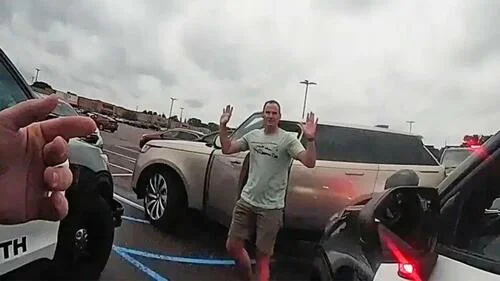
Automotive journalist Joel Feder and his wife were subjected to a coordinated police stop in Plymouth, Minnesota, due to a flawed database entry linked to a Jaguar Land Rover press vehicle. Flock Safety's automated license plate recognition (ALPR) cameras flagged the car, leading officers to believe the New Jersey manufacturer plate was stolen. The incident stemmed from an incomplete report of a similar plate entered into the National Crime Information Center (NCIC) database as "34 DTM," which Flock's AI system matched to Feder's plate (34 10 DTM), ignoring the middle digits.Another journalist, Tim Esterdahl, experienced a similar stop in Nebraska while driving a different Range Rover Sport with plate New Jersey 34 08 DTM. Flock Safety maintains its cameras performed as designed, matching partial plates as per law enforcement preferences for hotlist alerts. The company acknowledges that for NCIC alerts, an exact match might be preferable and is working to correct the original police report and improve FBI flagging of incomplete data. They stress that a camera alert does not equal probable cause and depends on human verification.The system’s scale, processing 20 billion reads per month with a 99% accuracy rate, results in approximately 200 million misreads monthly, leading to unknown numbers of armed stops. Plymouth police acknowledged verification shortcomings, citing challenges with diverse license plate formats. The city’s 18 Flock cameras read over 580,000 plates in a recent 30-day period, generating more than 14,800 hotlist hits. This incident highlights broader concerns about Flock Safety's expanding ALPR network and its privacy implications. Critics worry about false positives, chilling effects, and the creation of detailed movement logs of law-abiding citizens through widespread surveillance.