UX Collective | Medium
Follow
For the Designless
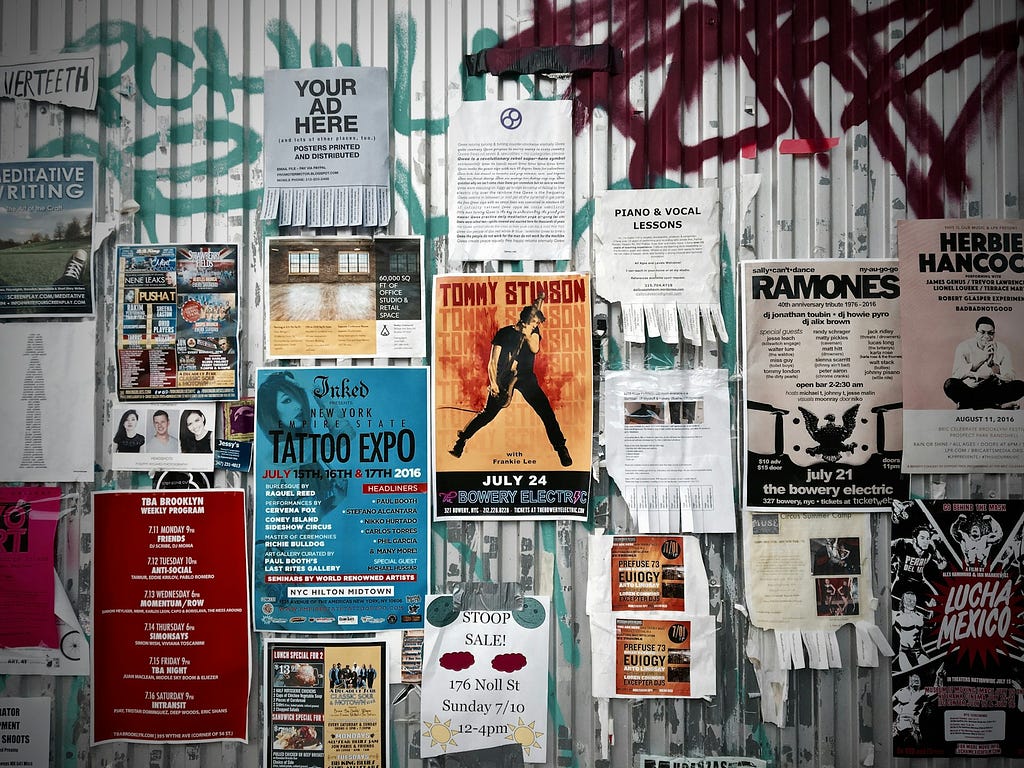
Designers are commercial problem-solvers, transforming vague client intentions into tangible forms using various tools. Artificial intelligence hasn't changed the designer's role but has enabled more people to attempt design tasks themselves. These new users can be categorized into three groups: the Vernacular, whose amateur execution is part of the message; the Referenceless, lacking the cultural vocabulary and means to achieve good design; and the Corner-Cutters, who can afford professional design but choose not to. The current debate over AI's impact is weakened by not differentiating these groups. For the Vernacular, AI can be detrimental by replacing authentic imperfection with artificial polish. Corner-Cutters primarily use AI to bypass existing costs. However, for the Referenceless, AI offers a powerful new tool to meet communicative needs without prior design knowledge. The backlash against AI-generated designs, often labelled "AI slop," highlights a perceived lack of warmth and craft. Yet, for many businesses, the alternative to AI slop was not artisanal craft but basic Microsoft Word designs or nothing at all. Projects that redesign amateur flyers for free demonstrate the value of applying design knowledge directly, a service AI can potentially scale. The Vernacular group's "imperfections" like those on a lost-cat poster convey essential messages that AI, seeking polish, can undermine. More references don't equate to better design; the relevant reference for a lost-cat poster is the poster itself. The ability to plan and execute design, whether with Letraset or digital tools, has always led to better outcomes. AI can generate generic outputs from simple prompts, but by incorporating specific cultural references, the same tool can produce more relevant and differentiated results. This demonstrates that the quality of AI output hinges on the cultural literacy and input of the user.