Fast Company
Follow
Forget AI training data. This startup learned from slime mold
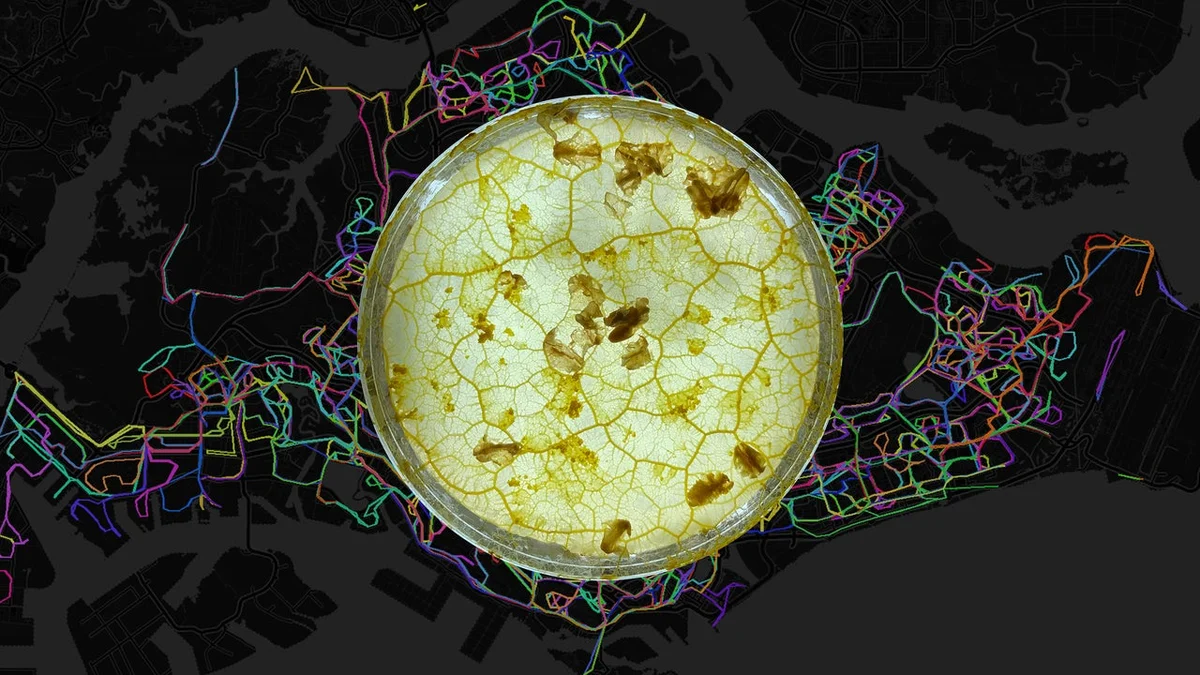
Researchers discovered that slime mold can create efficient networks, famously replicating the Japanese rail system when given a map of Tokyo's cities. This ability has inspired a startup called Mireta Urban Dynamics, which uses this biological principle in software for urban planners. The software imitates the slime mold's growth process, which is seen as a form of evolved intelligence. Planners can enhance the software's output by adding complex layers of data, such as population density and flood maps. Mireta's tool can design new transportation networks or optimize existing ones. Early pilot projects suggest the software generates networks that are 20-30% more resilient for the same cost. Resilience means maintaining functionality even if parts of the network fail, a strategy biological organisms use to survive. As climate change elevates disaster risks, there is a growing demand for resilient infrastructure. Mireta's approach addresses the current lack of quantitative tools for resiliency planning. The company believes that biological intelligence offers effective solutions for these complex network design challenges.