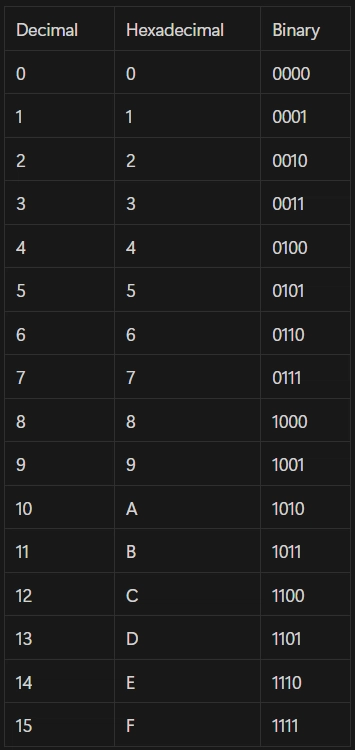
This document details number systems crucial for CompTIA Network+ certification. It explains decimal (base-10), the familiar counting system. Binary (base-2), the computer's language, uses only 0s and 1s, with each position representing a power of 2. Hexadecimal (base-16) offers a concise representation of binary data using digits 0-9 and A-F. Converting between these systems involves understanding positional values and powers of the base. Binary is fundamental to computer operations, impacting IP addresses and memory. An 8-bit binary value is a byte or octet, important in networking. Hexadecimal simplifies representing long binary sequences, often used in MAC addresses. Each hexadecimal digit directly corresponds to a 4-bit binary nibble. The document recommends further study of conversions using external resources. Future notes will cover troubleshooting methodologies relevant to networking and broader IT.

dev.to
dev.to

RSS Hunter
2025-04-16
Create attached notes ...