Fast Company
Follow
I tried plug-in solar and loved it—but there’s a catch
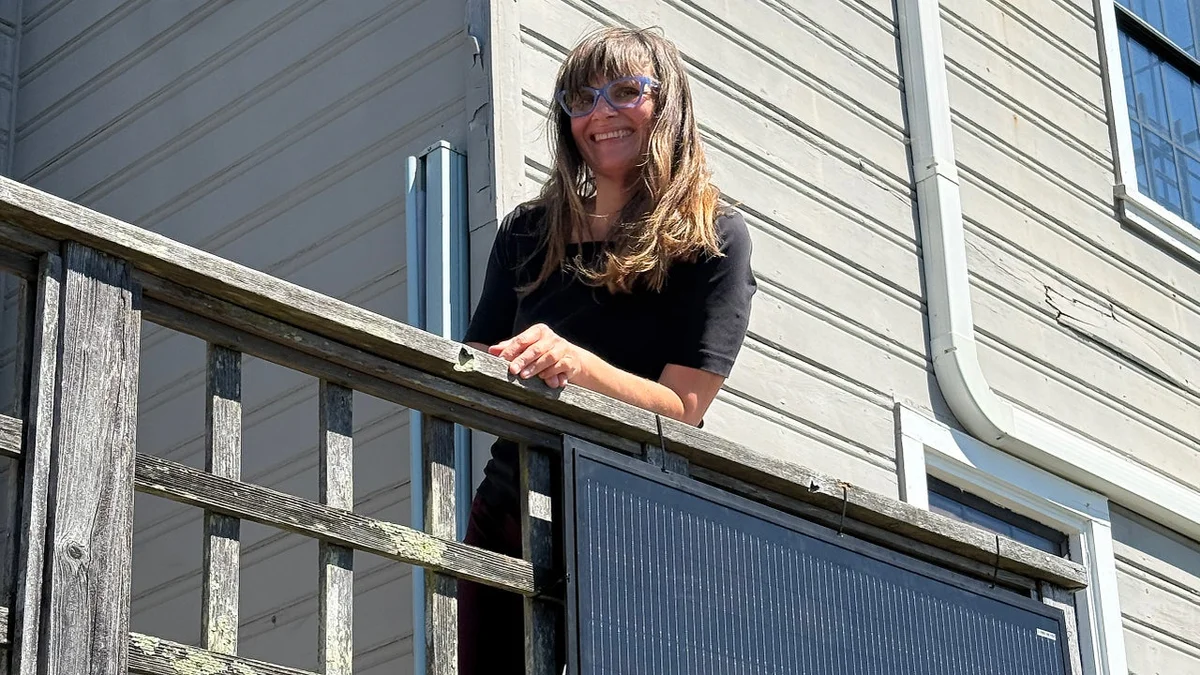
Plug-in solar panels offer a simpler alternative to traditional rooftop installations, allowing individuals to offset electricity costs. These panels are lightweight, easy to set up, and can be plugged directly into an outdoor wall outlet. A single panel generates less power than a full system but is accessible to renters and homeowners alike. New state laws are emerging to streamline the use of plug-in solar, simplifying the process for consumers.The reviewed Bright Saver kit includes a 180-watt solar panel, an inverter to convert solar energy to usable electricity, and an app for monitoring performance. While the app can be buggy, the system quickly begins sending power into the home. Even on a less sunny fall day, the panel provided a meaningful amount of electricity, powering appliances like a refrigerator. The panels are designed for a 20-year lifespan and can recoup their cost through savings within a few years.Excess power generated by plug-in solar systems, if not used by the home, feeds back into the grid. While not directly compensated, this can indirectly benefit the grid by reducing the strain during peak demand. However, the legality and utility approval for plug-in solar vary by state, creating a regulatory gray area in some regions. Several states have recently passed laws to legitimize and simplify plug-in solar usage, eliminating the need for extensive permits or utility approval.Some states are implementing new safety standards requiring specialized outlets and electrician verification, adding complexity to the installation process. Germany, where plug-in solar originated, has a significant number of these systems in place, demonstrating their effectiveness even in less sunny climates. The expansion of plug-in solar in the U.S. could mirror Germany's success, making solar energy more accessible to a wider population.