UX Collective | Medium
Follow
In 1949, he said you’d be addicted to your phone
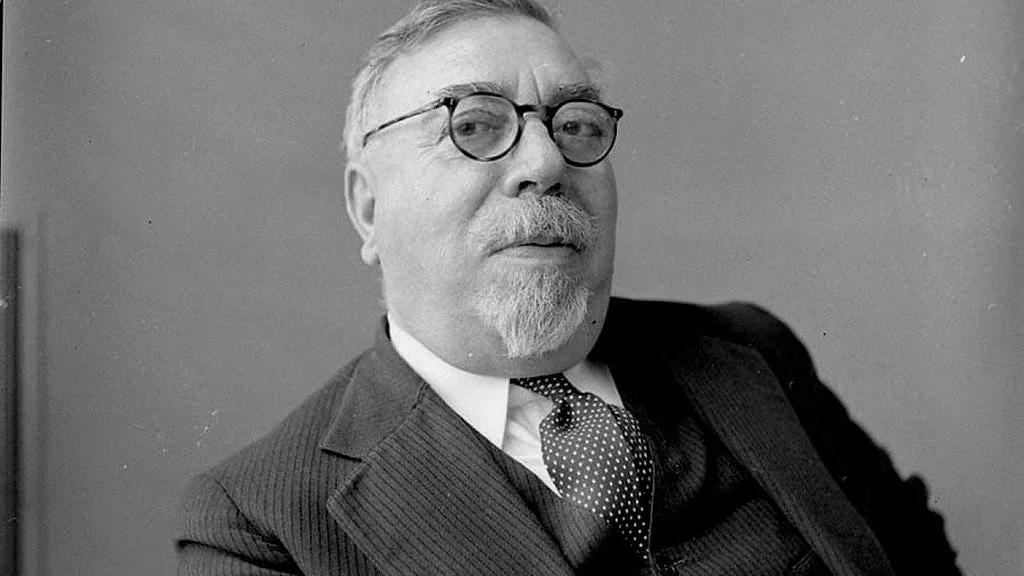
Norbert Wiener, a mathematician and philosopher, developed the concept of cybernetics in the 1940s. Cybernetics is the science of control and communication in machines and living beings. His work was inspired by World War II antiaircraft systems that used feedback loops to predict and adjust to targets. This same principle is now used in technologies that keep people engaged with their devices. Wiener's key insight was that systems using their past actions to guide future ones can adapt. His books, "Cybernetics" and "The Human Use of Human Beings," introduced this new science and warned of its potential to rapidly alter society. He identified three core truths: metrics become reality, speed shapes control, and every system is a moral system. Metrics, like those on fitness trackers or social media feeds, enforce the goals they are designed to achieve. Faster feedback loops allow systems to anticipate and influence behavior before individuals can consciously react. Wiener emphasized that all systems are inherently moral, reflecting the values and priorities of their designers. These adaptive systems determine what is measured, who benefits, and how quickly change occurs. His warnings from decades ago accurately describe today's automated world and the pervasive influence of feedback loops. Wiener's legacy highlights the critical need to consider the ethical implications of technological design.