ZeroHedge News
Follow
Iran's Reliance On China's Beidou Satellite System Is A Game-Changer In War With US
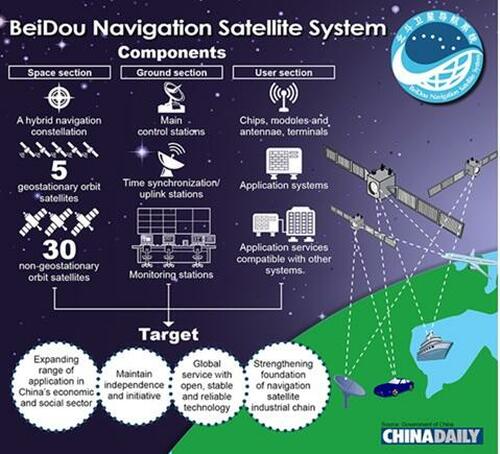
In a hypothetical 2025 war, Iranian missiles and drones were largely ineffective against Israeli and American electronic warfare, which repeatedly disrupted their GPS guidance systems. By early 2026, however, Iran's precision strikes significantly improved, hitting high-value targets with surprising accuracy. This dramatic shift was attributed to Iran's adoption of China's Beidou satellite navigation system, replacing GPS. The US inadvertently spurred China's development of Beidou after a 1993 incident involving the Chinese ship Yinhe. Accused by the CIA of carrying chemical weapons components to Iran, the US pressured allies to deny the ship entry and reportedly disabled its GPS access. This humiliation of being stranded and losing navigation due to reliance on a foreign system accelerated China's pursuit of an independent satellite network. Beidou's evolution, from initial regional coverage to a global powerhouse by 2020, now offers superior accuracy and resilience in many regions. After the 2025 conflict, Iran swiftly integrated Beidou into its weaponry, demonstrating improved evasion of electronic countermeasures by early 2026. Beidou's resistance to jamming, higher accuracy, and real-time command capabilities have enabled Iran to penetrate US defenses and strike critical targets effectively. This technological leap has severely undermined confidence in US security guarantees in the Gulf. The US's 1993 decision to weaponize GPS ultimately backfired, empowering China and its allies with a strategic advantage.