Axios
Follow
Israel faces weeks of political wrangling after deadlocked election
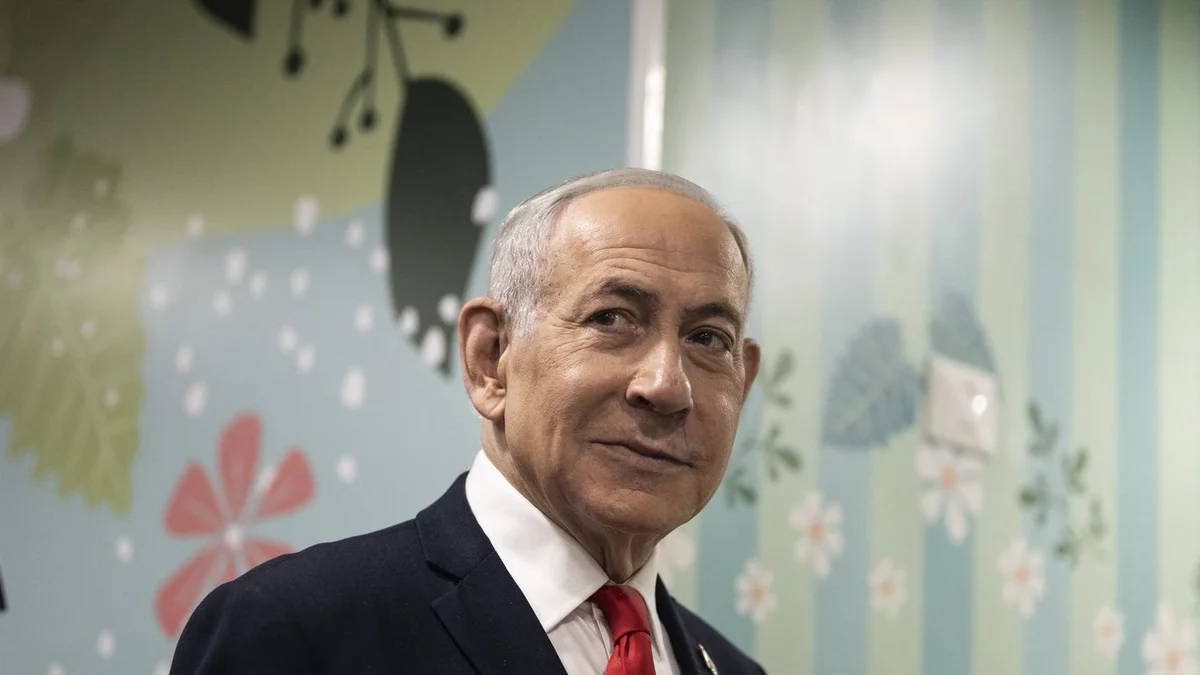
Israeli Prime Minister Benjamin Netanyahu's electoral coalition has taken a significant lead as vote counting nears completion, though neither bloc has secured a majority. Netanyahu's bloc is projected to win 53 seats, a decrease from his current parliamentary power. Gadi Eisenkot's opposition bloc trails with 48 seats, meaning neither leader has a clear mandate to form a government. While Eisenkot could theoretically form a government with support from Arab parties, this is considered unlikely. The actual vote count has boosted Netanyahu's standing compared to earlier exit polls that favored the opposition. President Trump expressed that his endorsement may have aided Netanyahu's performance. Approximately 500,000 votes remain uncounted, but these are unlikely to alter the overall balance of power. Israeli President Isaac Herzog will begin consultations with parties to assign the mandate to form a government. If no majority government is formed, another election could be scheduled for April. Netanyahu appears disinclined to form a unity government, advocating instead for a strong right-wing government. He may attempt to persuade opposition leaders to defect, though they have pledged not to. An alternative scenario involves Eisenkot forming a minority government, which could prove unstable and lead to future Netanyahu victories. Netanyahu might also remain as a caretaker prime minister, potentially benefiting his bloc in subsequent elections. The opposition is expected to gain control of key Knesset positions, allowing them to influence the legislative agenda and investigate security failures.