ZeroHedge News
Follow
Japan Bankruptcies Surge To All-Time High As A Result Of Plunging Yen
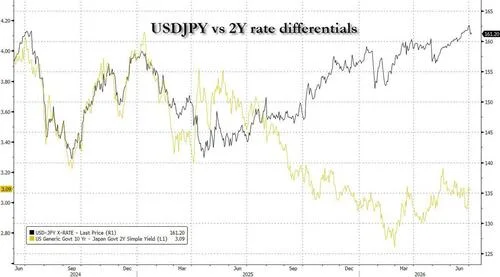
The yen has experienced a significant and persistent collapse, recently falling below a 40-year low. Several factors contribute to this weakness, including negative real short-term interest rates in Japan, a political inclination within the ruling party favoring a weaker yen for corporate profits, and Japanese financial institutions profiting from unhedged yen-denominated assets. This has created a self-reinforcing cycle of yen depreciation, despite occasional intervention attempts by the Bank of Japan. However, a limit to this decline is emerging due to the increasing damage inflicted on Japanese households and businesses.The weak yen has led to a notable rise in bankruptcies for Japanese firms, particularly small and mid-sized businesses, impacting sectors like wholesale. This economic strain strengthens the argument for continued interest rate hikes by the Bank of Japan to support the currency. The yen's weakness is exacerbated by rising US interest rates and global events like the conflict in Iran impacting oil prices.Despite the benefits for large exporters, the weaker yen drives up import costs, squeezing margins for many industries and contributing to persistent inflation. Specialized hedging instruments like reverse knockout options can exacerbate this downward pressure when their predefined levels are breached, forcing companies to buy dollars in the spot market. Analysts are watching closely as the yen approaches levels where further breakdowns in these hedging structures could intensify the yen's decline. The cumulative burden of a weak yen, inflation, and rising labor costs is creating significant challenges for businesses.