ZeroHedge News
Follow
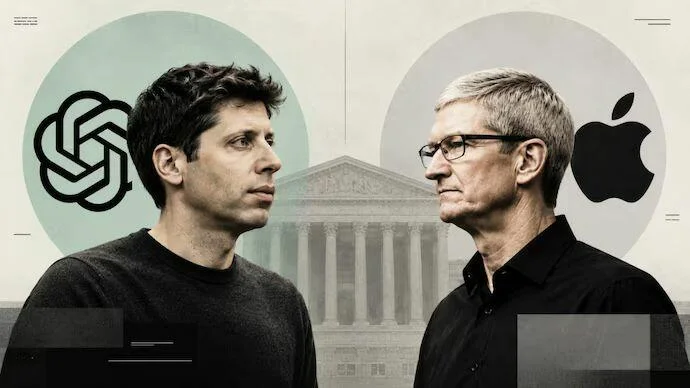
Judge "Highly Likely" To Grant Apple Injunction As OpenAI Fires Back With Its Own Theft Allegations
A judge overseeing Apple's trade-secret lawsuit against OpenAI indicated he is likely to grant an injunction against the use of Apple's proprietary information. This potential ruling could significantly impact OpenAI's ambitions in consumer hardware. OpenAI countersued, accusing a former employee of taking confidential files about an unreleased OpenAI device before returning to Apple and presenting these plans to Apple executives. Apple, however, denies finding any evidence to support these claims. The two companies, initially partners, are now embroiled in accusations of benefiting from the transfer of confidential hardware information. Judge Edward Davila expressed enthusiasm for preliminary relief for Apple but found their request for a broad forensic inspection to be excessive. Apple's attorney proposed narrowing the inspection to a select group of former employees now at OpenAI. The case centers on Apple's allegations that OpenAI, with the help of former employees, is using its confidential information for hardware development. OpenAI denies these accusations, arguing Apple is trying to prevent employees from joining competitors. The company states it has no need for Apple's trade secrets and is developing its own unique hardware for the AI era. OpenAI's defense also challenges Apple's narrative, suggesting residual access due to account management practices and explicit instructions against using confidential information by its team. The judge has allowed Apple early access to some OpenAI digital files and expedited depositions of key former employees. OpenAI's latest filing alleges an employee transferred over 100 confidential files to personal accounts before leaving OpenAI for Apple, raising concerns that its work could influence Apple's future products. Apple rejected these counter-accusations, asserting its policies prevent employees from misusing confidential information and that it found no supporting evidence. The dispute arises as OpenAI seeks a substantial valuation and prepares for a public offering, with a competition for hardware talent intensifying. OpenAI views its planned consumer hardware as a distinct AI-centered device rather than a copy of anticipated Apple products. Ultimately, the case will determine whether OpenAI illegally acquired Apple's trade secrets or if the situation involves a legitimate transfer of employee expertise.