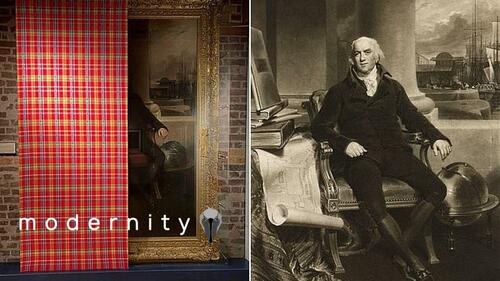
The Museum of London Docklands partially covered a portrait of Beeston Long, a merchant with ties to Jamaican plantations, with Madras cloth. This action, aiming to "reclaim Caribbean history," is seen as part of a larger effort to erase uncomfortable historical truths. Critics argue this prioritizes feelings over a complete understanding of the past and the achievements of historical figures. Museum displays now highlight the exploitation of enslaved people and the Windrush Generation's contributions. The museum also offers spaces for visitors to process emotional responses to historical exhibits. This move echoes previous removals of historical monuments, such as the statue of Robert Milligan. Similar actions have been taken across the West, targeting figures like Theodore Roosevelt and Thomas Jefferson. Even abolitionist figures and scientists have faced removal for their perceived links to the British Empire. However, there's a pushback, exemplified by an executive order to restore removed monuments and promote truthful historical narratives. This order aims to ensure museums educate rather than indoctrinate. The London museum's actions are viewed as cultural vandalism, dividing and demoralizing audiences. The author suggests this is part of a broader assault on Western heritage.

zerohedge.com
zerohedge.com

RSS Hunter
2026-03-10