Fast Company
Follow
‘Mesoamerican Modern’ redefines how we understand Mexican architecture
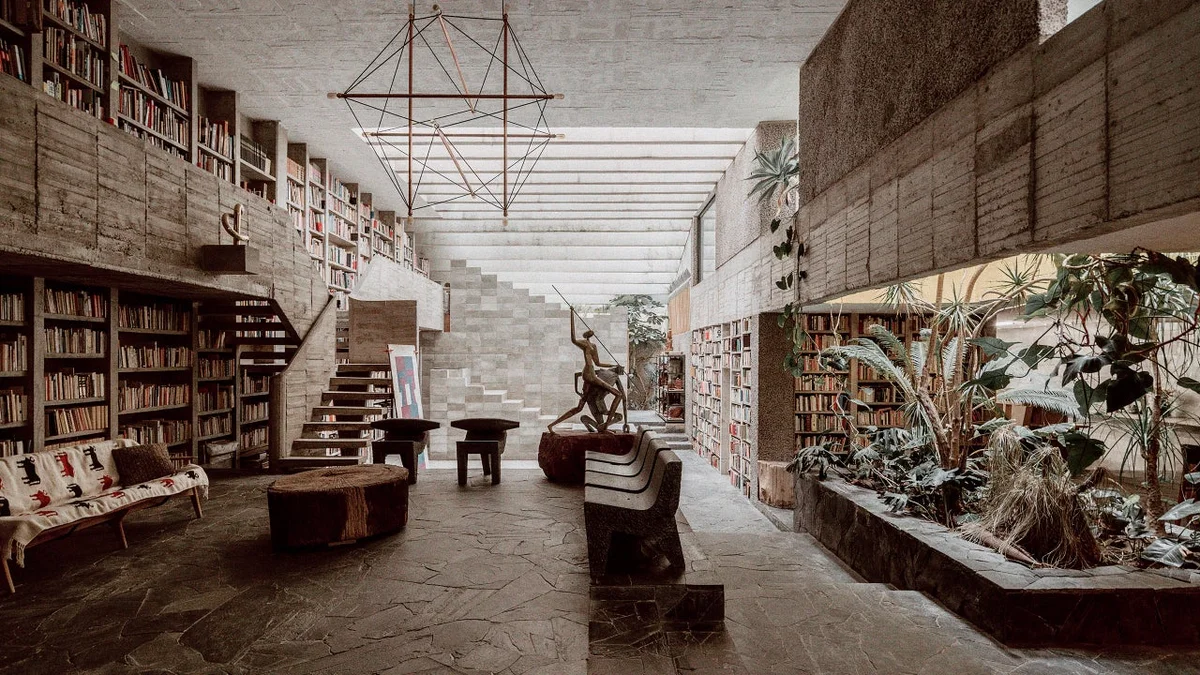
Mexico City's architecture showcases a fascinating blend of historical eras, from Aztec ruins to colonial buildings and modern skyscrapers. This layered history extends beyond the capital, influencing a contemporary architectural movement that draws inspiration from the past. Curator Su Wu and photographer Luis Garvan explore this in their book, Mesoamerican Modern, highlighting homes that continue ancient traditions. Wu argues against the term "pre-Columbian" implying history's end, emphasizing the resilience and relevance of indigenous ideas. The book surveys sixteen Mexican homes, revealing a style rooted in shared cultural elements like history, materials, and landscape appreciation. This Mesoamerican-inspired architecture, spanning a broad cultural region, embraces diverse environments and a deep connection to nature. Homes featured engage with their surroundings, often framing natural views and incorporating local materials like tezontle volcanic rock. A key characteristic is the flexible use of space, moving away from rigid Eurocentric room definitions. Architects prioritize open possibilities over filling every area with furniture, similar to how ancient cities were planned. Materiality plays a crucial role, with a sensitivity to local resources and their aesthetic potential. This movement is dynamic, with designers continually reinterpreting tradition to inform contemporary building practices.