ZeroHedge News
Follow
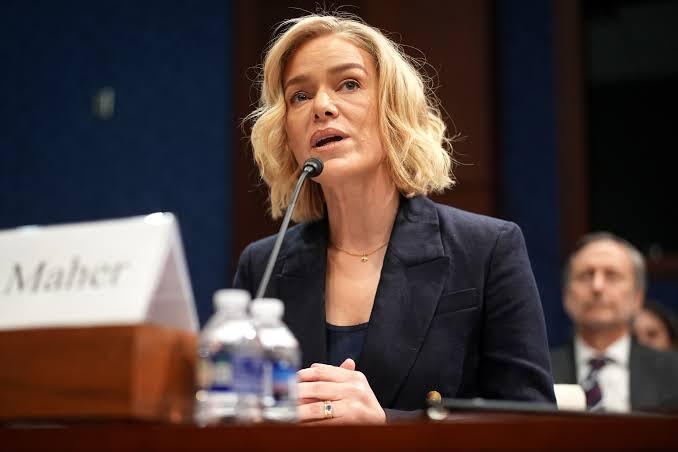
Not 'The Onion': Harper's Magazine To Honor NPR CEO Katherine Maher With First Amendment Award
Jonathan Turley criticizes Harper's Magazine for awarding its First Amendment prize to NPR CEO Katherine Maher. Turley argues Maher symbolizes advocacy journalism and bias, having steered NPR towards ideological alignment rather than balanced reporting. He recounts that many had hoped for a moderate CEO to bring NPR back to balance, but Maher's past statements and actions, including supporting deplatforming and suggesting reverence for truth can be a distraction, confirm her partisan stance. Under her leadership, NPR's bias allegedly worsened, including permitting journalists to join political protests. Editor Uri Berliner resigned after witnessing NPR become a far-left echo chamber, with a newsroom dominated by registered Democrats. Berliner's criticism was dismissed by Maher as disrespectful, and he left believing her views confirmed the problems he highlighted. Despite declining ratings and revenue, Maher refused to resign, which Turley suggests effectively ended the Corporation for Public Broadcasting, yet Harper's Magazine views her tenure as a success. Harper's press release praises Maher for guiding NPR through scrutiny and reaffirming journalism's role in democracy, overlooking the decline in audience and revenue. Turley contends that NPR's shrinking, overwhelmingly white, older, and liberal audience reflects Maher's leadership. He believes Harper's award celebrates an outlet shedding conservative and moderate listeners, mirroring Harper's own audience. Turley concludes that establishment media now reports for themselves, awarding each other while clinging to bias, and that Maher epitomizes this refusal to change, even as her influence wanes. He argues Uri Berliner, who sought balance, deserves the award instead of the CEO who drove him out.