Science Magazine | AAAS: Scien... Note

Science Magazine | AAAS: Science Translational Medicine

Science Translational Medicine (STM) is a scientific journal published by the American Association for the Advancement of Science. The journal focuses on publishing original research that bridges basic science discoveries with clinical applications to enhance human health. It covers a wide range of biomedical fields, including drug discovery, vaccine development, medical devices, and diagnostics. STM aims to facilitate the translation of scientific breakthroughs into practical solutions for patients. The journal's target audience includes researchers, clinicians, policymakers, and others interested in the latest advancements in translational medicine. By disseminating cutting-edge research and fostering collaboration, STM plays a vital role in advancing human health and well-being.


Thread Of Notes

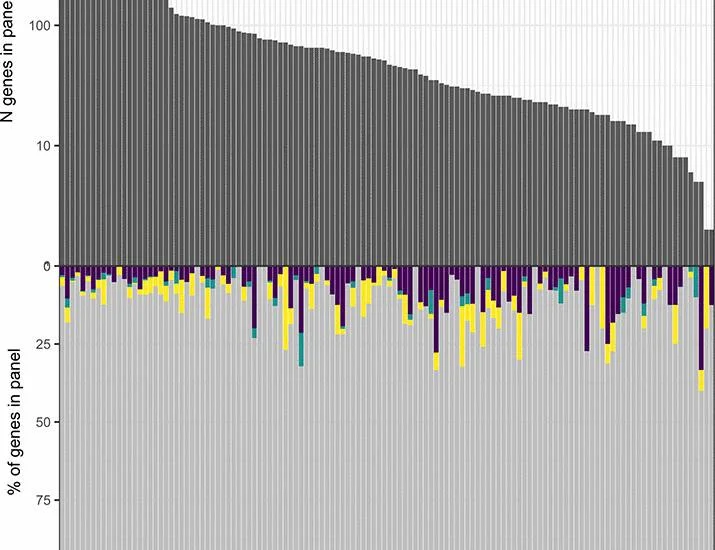
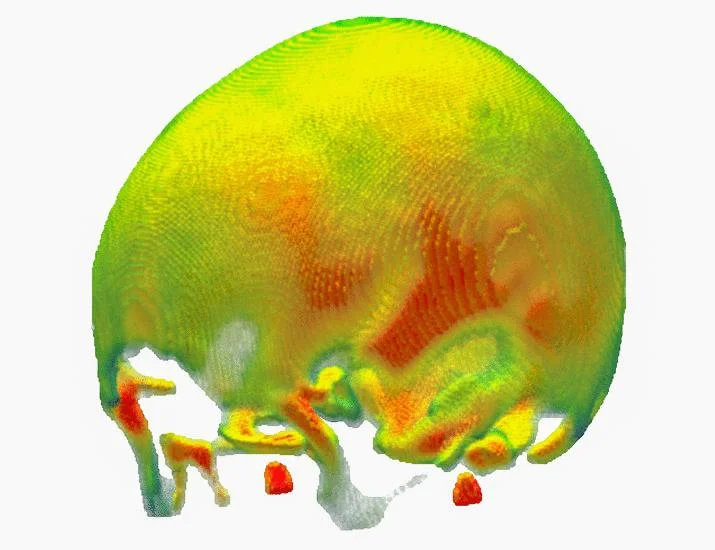
Plasma proteomics improves thrombosis prediction in patients with cancer and identifies targetable IL-17–driven endothelial activation | Science Translational Medicine

Plasma proteomics improves thrombosis prediction in cancer and uncovers a targetable CD200R1/IL-17–driven endothelial activation pathway in mice.
CdXz5zHNQW_8txV08VOUK.jpeg

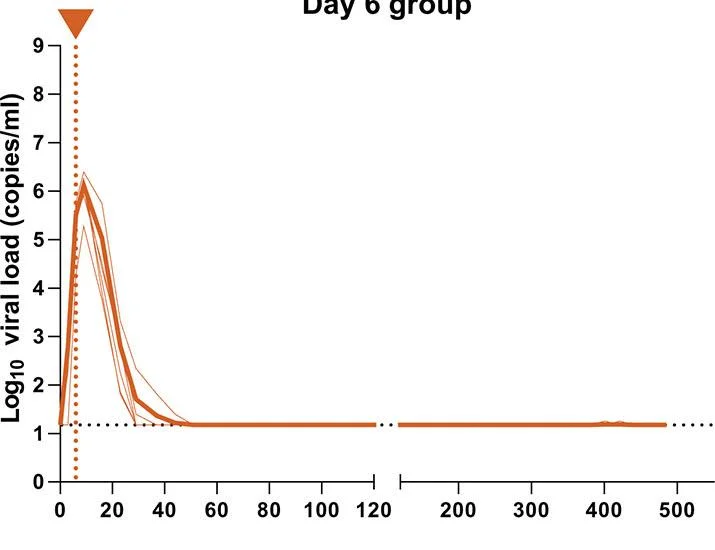
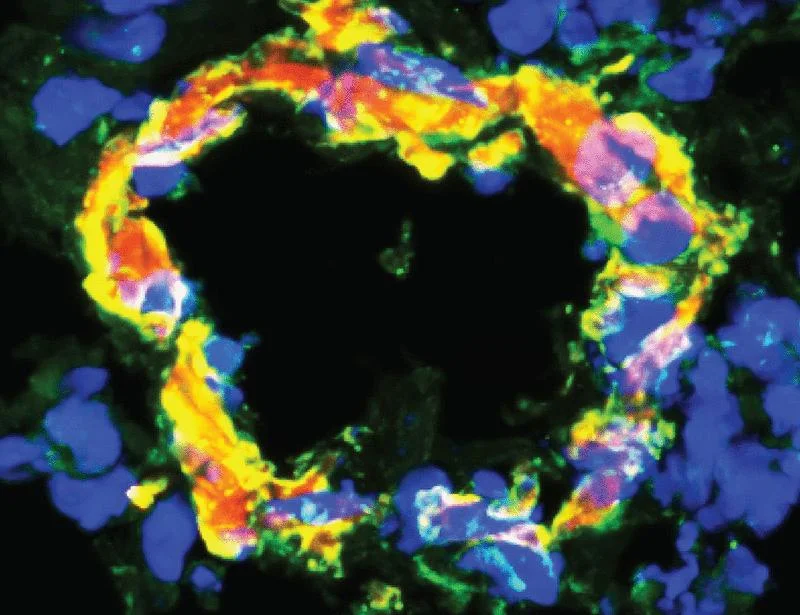
The pyrrolidinamide antimalarial drug MMV367 rapidly clears blood-stage Plasmodium falciparum in healthy adults with experimental malaria | Science Translational Medicine

The fast-acting antimalarial drug MMV367 rapidly killed blood-stage parasites in healthy volunteers experimentally infected with Plasmodium falciparum.
CdXz5zHNQW_abcox21rrm.jpeg

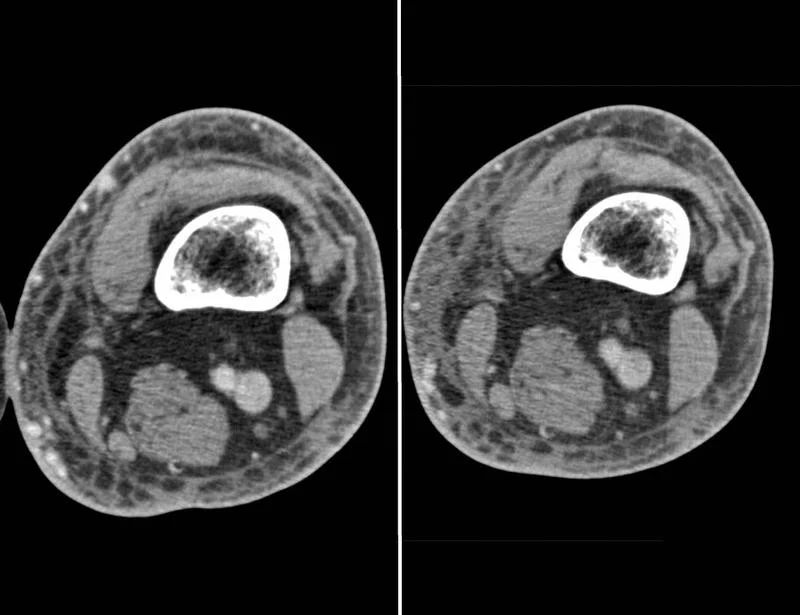
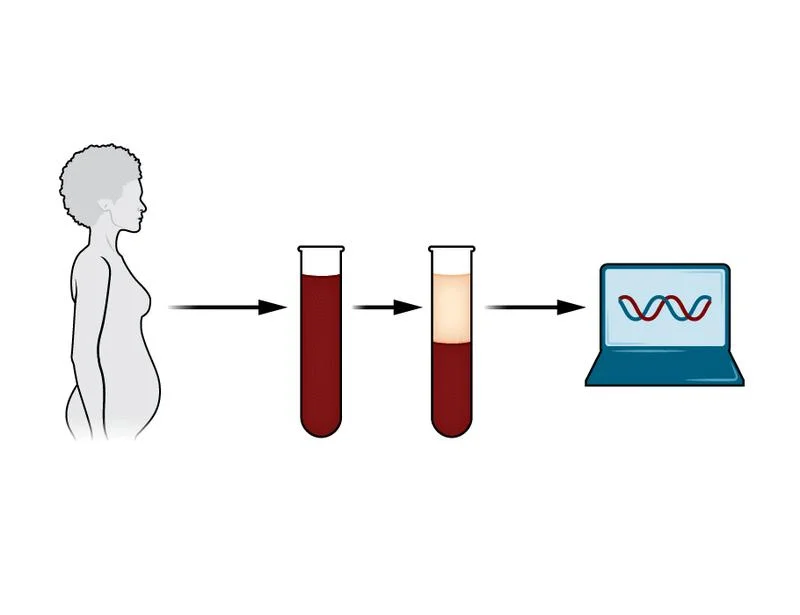
Clinical validation of an HPV whole-genome sequencing assay for MRD detection in patients with HPV+ head and neck cancer treated with surgery | Science Translational Medicine

An ultrasensitive blood test accurately detects residual disease after surgery and predicts recurrence and survival in HPV+ head and neck cancer.
CdXz5zHNQW_sdgK21vBth.jpeg

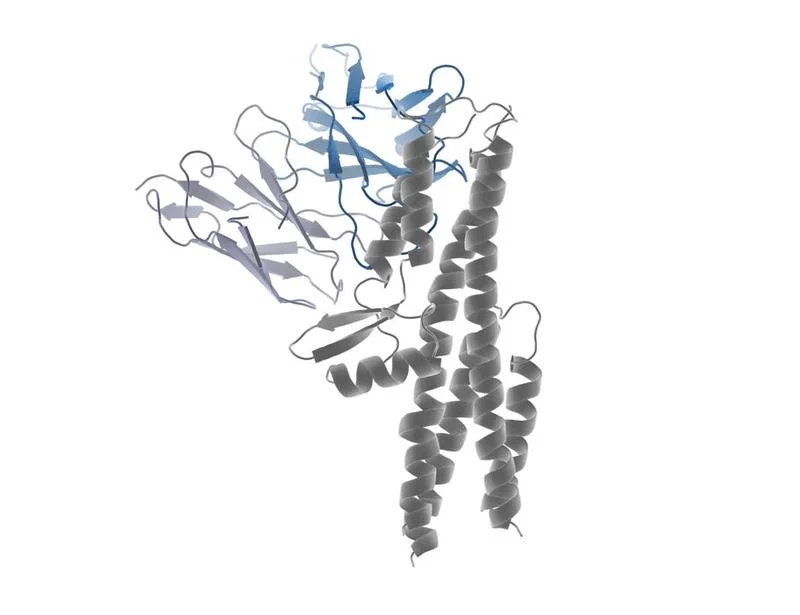
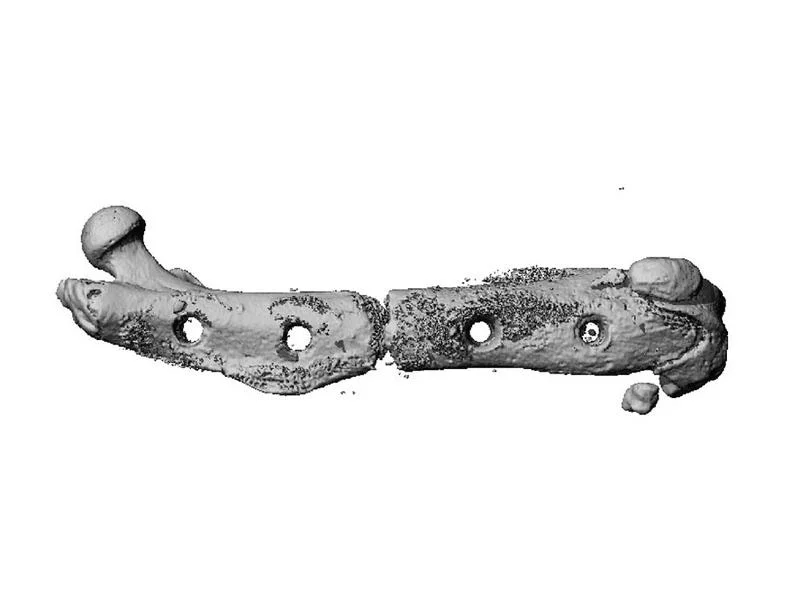
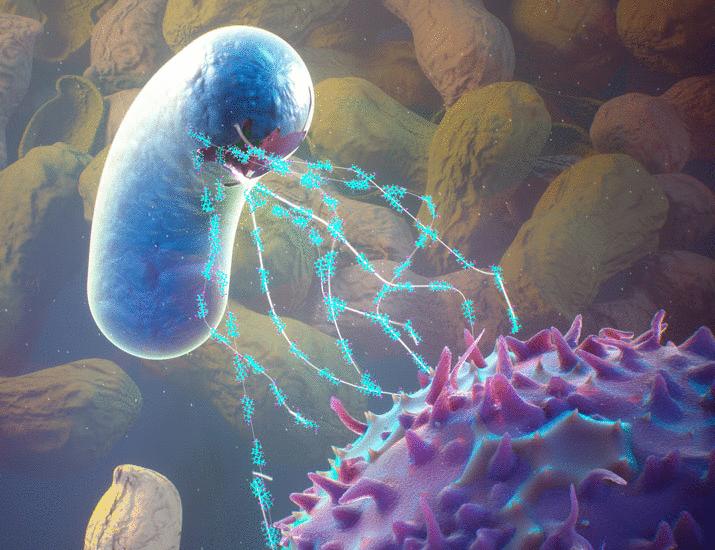
Toll-like receptor 5 protects against murine lung fibrosis through reduced dysbiosis, and TLR5 deficiency is associated with human IPF | Science Translational Medicine

TLR5 deficiency is associated with idiopathic pulmonary fibrosis, and TLR5 activation reduces lung dysbiosis and protects against fibrosis in mice.
CdXz5zHNQW_LwQftzs5DR.jpeg

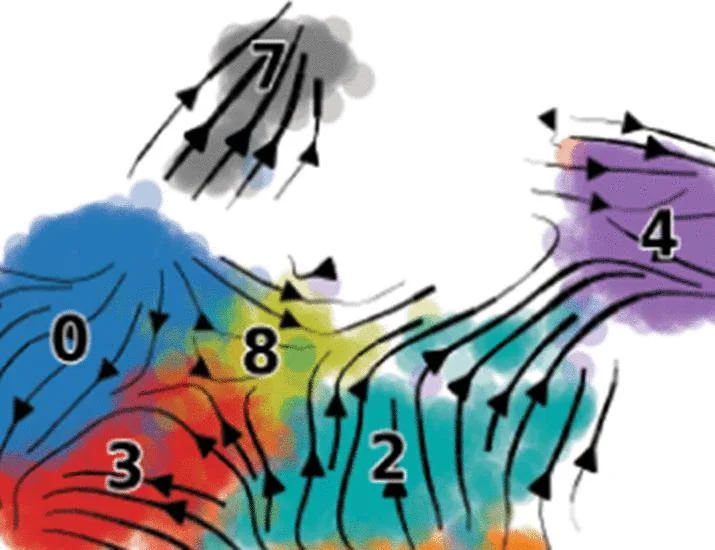
Genomic instability drives POSTN+ myofibroblasts via STING-WNT axis to promote immunosuppression and PARPi resistance in ovarian cancer | Science Translational Medicine

Epigenetic reprogramming of POSTN+ myCAFs converts genome instability–induced immune activation into suppression, promoting PARP inhibitor resistance.
CdXz5zHNQW_OzGC0MnTbY.jpeg

Erratum for the Research Article “In vivo generation of CAR myeloid cells through erythrocyte-mediated mRNA delivery for cancer immunotherapy” | Science Translational Medicine

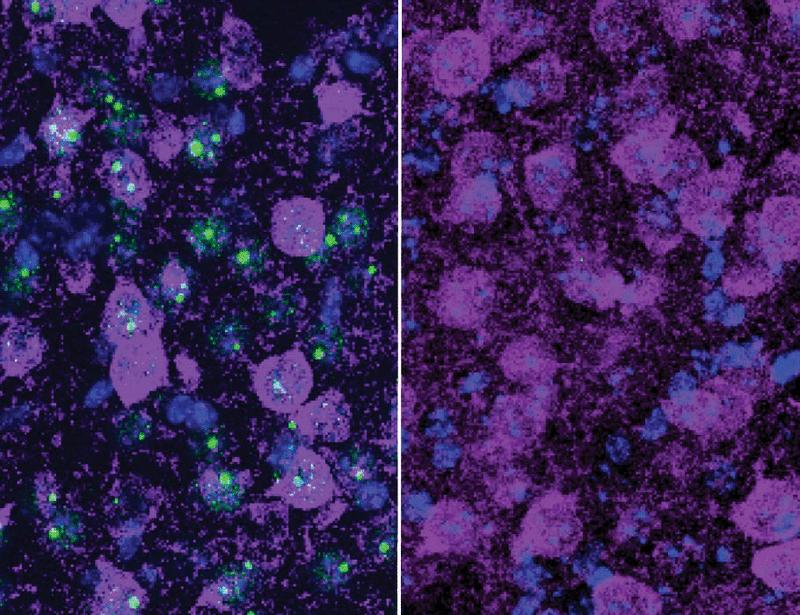
In the published version of the Research Article “In vivo generation of CAR myeloid cells through erythrocyte-mediated mRNA delivery for cancer immunotherapy” by X. Nie et al., three images in Fig. 1I—those depicting E-LNP-mEry–, Cre-LNP–, and Cre-LNP-mEry–mediated gene expression in the livers of Cre reporter mice—were inadvertently placed in the wrong order. The figure has been corrected, and the data and conclusions are not affected.
CdXz5zHNQW_EwgQPk5trn.jpeg

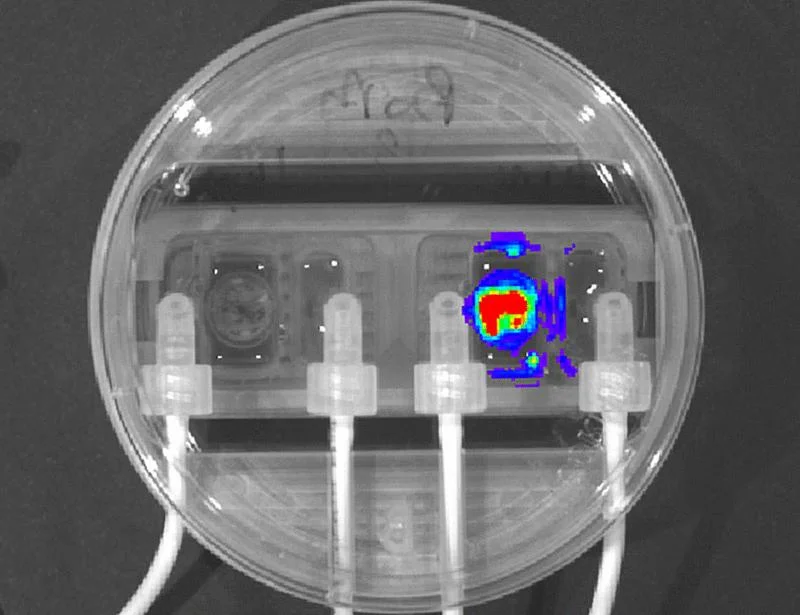
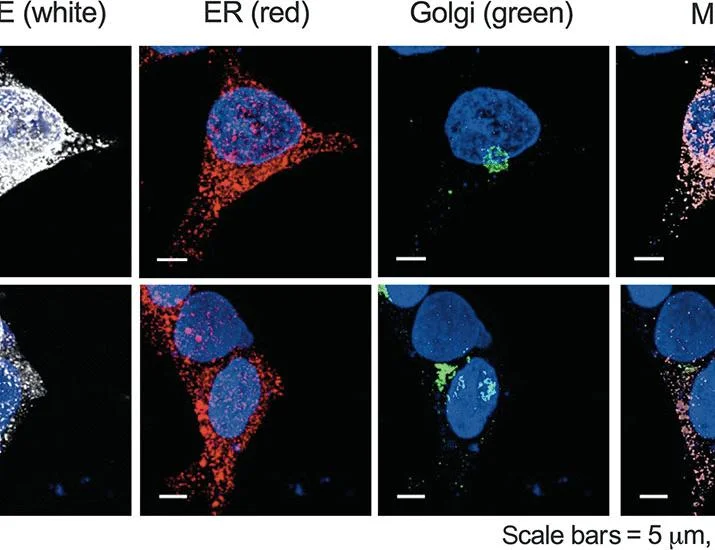
Erratum for the Research Article “Smartphone-controlled optogenetically engineered cells enable semiautomatic glucose homeostasis in diabetic mice” | Science Translational Medicine

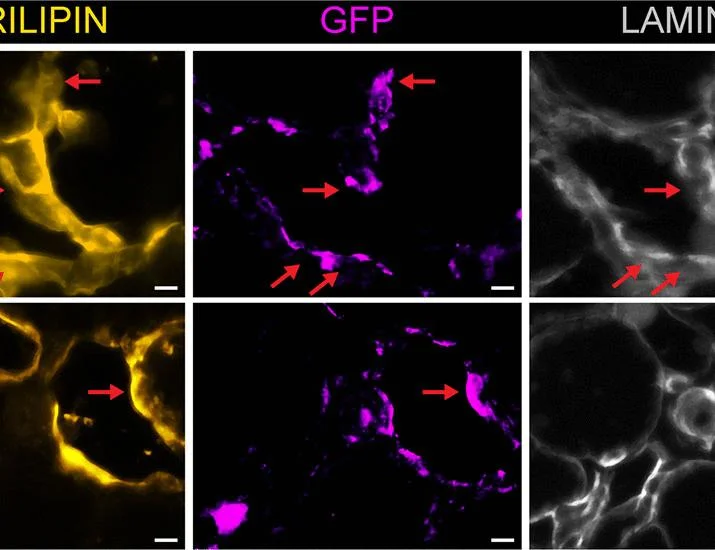
In the Research Article “Smartphone-controlled optogenetically engineered cells enable semiautomatic glucose homeostasis in diabetic mice” by J. Shao et al., an incorrect fluorescence image was inadvertently included in fig. S6 during figure assembly. To address this issue, the authors repeated the corresponding experiment and obtained results consistent with the original findings. The figure has now been corrected with the appropriate representative image. This correction does not affect the conclusions of the paper.
CdXz5zHNQW_y58dcKpBY2.jpg