ZeroHedge News
Follow
Situational Unawareness: Banks Ran Out Of Room To Lever Up The AI Trade, So They Made More
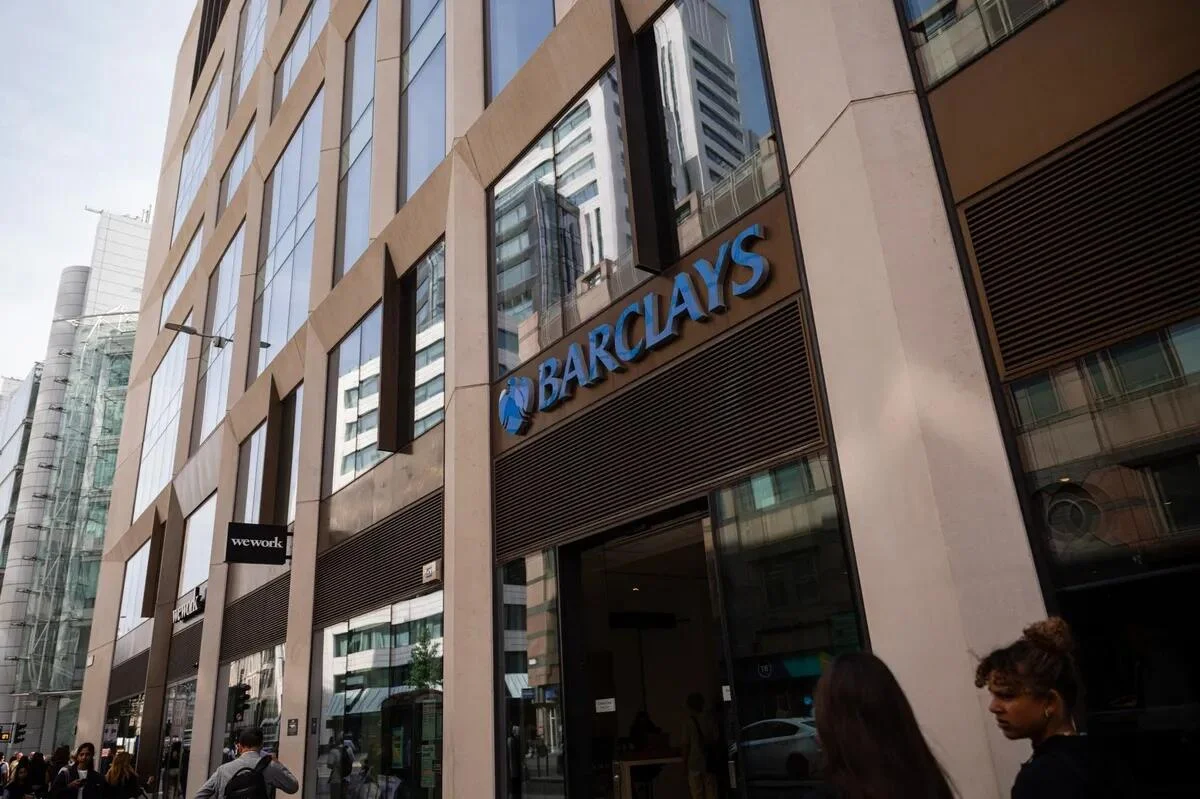
Barclays faced a constraint on lending to hedge funds driven by a surge in Asian AI stocks. To overcome this, their macro rates traders internally auctioned capital allocation to the prime financing business. This maneuver allowed Barclays to continue aggressive lending despite hitting its predetermined financing limits. Regulators, including the Bank of England, are scrutinizing this increased financing of Asian equities by London prime brokers. Ironically, Barclays had previously declined to take on a specific client due to AI sector concentration risk concerns. However, they still hit lending limits, indicating widespread leverage on the same popular trades. Other major banks like Goldman Sachs and UBS also report demand exceeding their available financing capacity. These banks are reportedly encouraging clients to increase short positions to reduce net leverage on their books. Goldman's data shows significant increases in short exposure while long exposure remains relatively stable. This strategy makes portfolios appear more defensive but doesn't reduce overall gross leverage. Banks are motivated by the high revenue generated from prime brokerage, especially during volatile periods. This creates a self-reinforcing cycle of lending, trading, and revenue generation. The article suggests this practice of masking leverage through increased shorts is unsustainable and risks a significant blowup. The system's true leverage remains high, making it vulnerable to sudden market downturns. The Bank of England's ongoing investigation points to potential systemic risk in this market.