ZeroHedge News
Follow
Smokey Skies Does Not Mean Global Warming
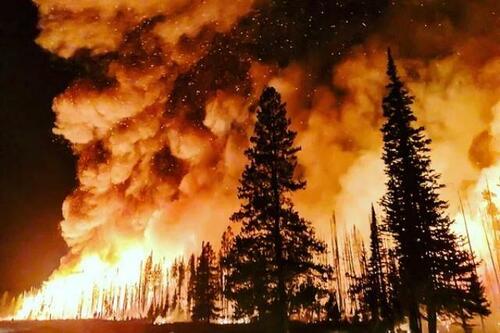
This article argues that media coverage of wildfires, particularly the smoke they produce, often irrationally links them to climate change. While acknowledging the serious nature of wildfires and smoke, the author contends that current reporting overlooks crucial context. Many fires are naturally ignited by lightning, a recurring phenomenon. Data suggests that 2026 has seen a historically low cumulative burned area across the Americas and other continents. This contradicts the narrative of an escalating wildfire emergency directly caused by climate change. The author highlights selection bias in news reporting, where dramatic events are prioritized over subtler, though relevant, long-term trends. Historical data indicates that large wildfires were more prevalent before 1900 than they are currently. The Intergovernmental Panel on Climate Change's findings are also cited, noting low confidence in global trends for fire weather and burned area, and a decline in global land area burned recently. The article emphasizes that wildfire behavior is influenced by numerous factors beyond climate, including ignition sources, weather, fuel accumulation, and land management practices. Smoke transport is primarily dictated by atmospheric circulation, meaning smoke over populated areas doesn't automatically signify climate-driven fires. The author calls for more comprehensive and context-rich journalism that avoids a predetermined script and presents the full evidence, not just what fits a prevailing narrative.