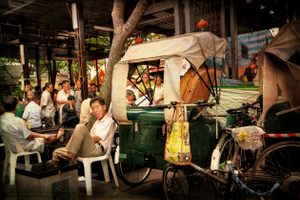
Street of the Dead in Singapore, Singapore
Sago Lane, nestled in Singapore's Chinatown, held a dark history despite its contemporary facade. Its grim reputation stemmed from the "death houses" that operated there during the 20th century. The street was historically a hub for sago factories, a significant export for Singapore. Alongside these factories lived a Cantonese community of traders, hawkers, and others in the area. The area's nickname, "Street of the Dead," vividly reflected its purpose as a place for the terminally ill. These death houses, between the 1930s and 1960s, offered lodging under crowded and impoverished conditions. People paid fees for their stay, with prices varying according to how close they were to death. The surrounding area also held shops selling funeral goods as they avoided dying at home. In the 1960s, international attention led to increased scrutiny of the death houses and their unsanitary conditions. The government banned them in 1961 transforming the remaining structures into funeral parlors. Today, Sago Lane has been modernized, its shophouses now occupied by souvenir shops and restaurants. It continues to participate in cultural celebrations, like Chinese New Year.