Fast Company
Follow
Study reveals a surprising cause of cognitive decline—and the key to reversing it
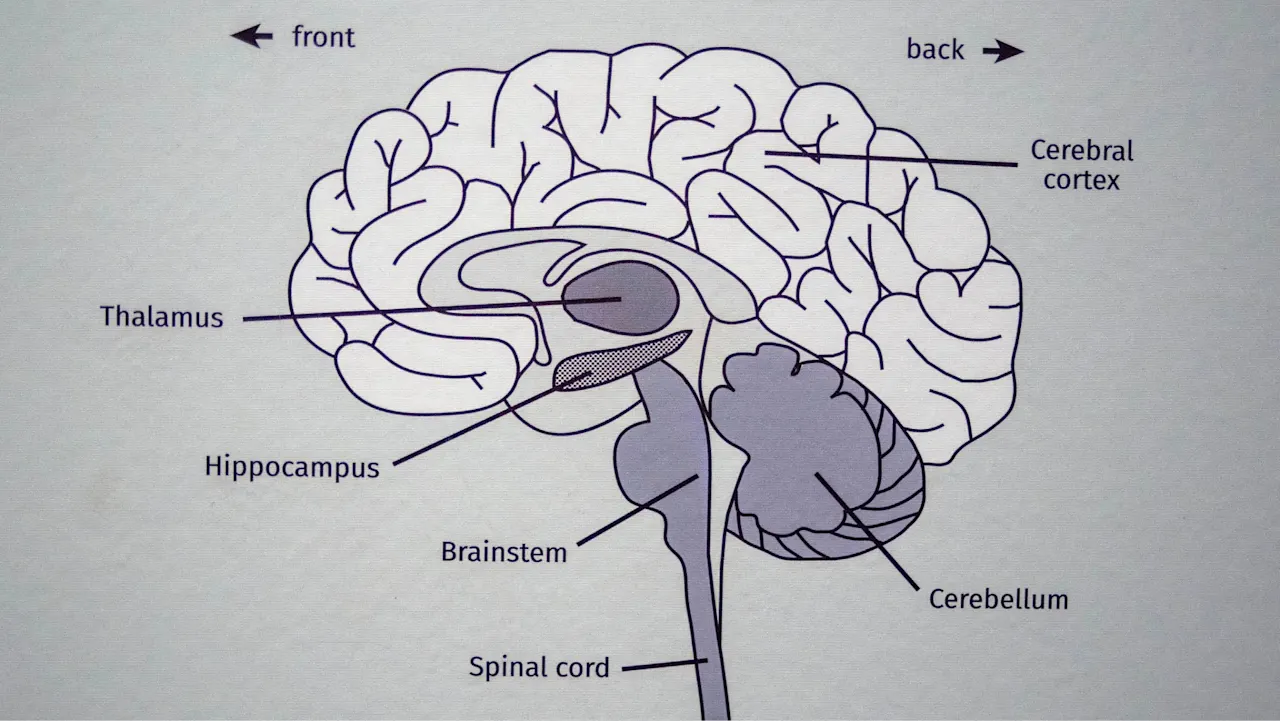
A recent UCSF study suggests that cognitive decline linked to aging might be reversible, challenging the notion of inevitable brain deterioration. Researchers focused on the hippocampus, the brain region crucial for memory and learning. They discovered elevated levels of the FTL1 protein in older mice, unlike in younger ones. Elevating FTL1 levels in young mice caused brain changes resembling aging, impairing neuron communication. Reducing FTL1 in older mice reversed brain damage, rebuilding lost connections and improving memory test scores. This indicated that FTL1 directly contributes to cognitive impairment, not just a byproduct of aging. High FTL1 levels act as a metabolic brake, slowing energy production within brain cells. This energy deficit causes the breakdown of synaptic connections. The study offers hope for future treatments to manage age-related cognitive decline. The findings suggest that brain drain is manageable, not a permanent loss, creating reasons for medical optimism. The research underscores the potential for interventions to alleviate the negative consequences of aging.