Axios
Follow
Supreme Court's Hawai'i gun law ruling narrows playbook for other states
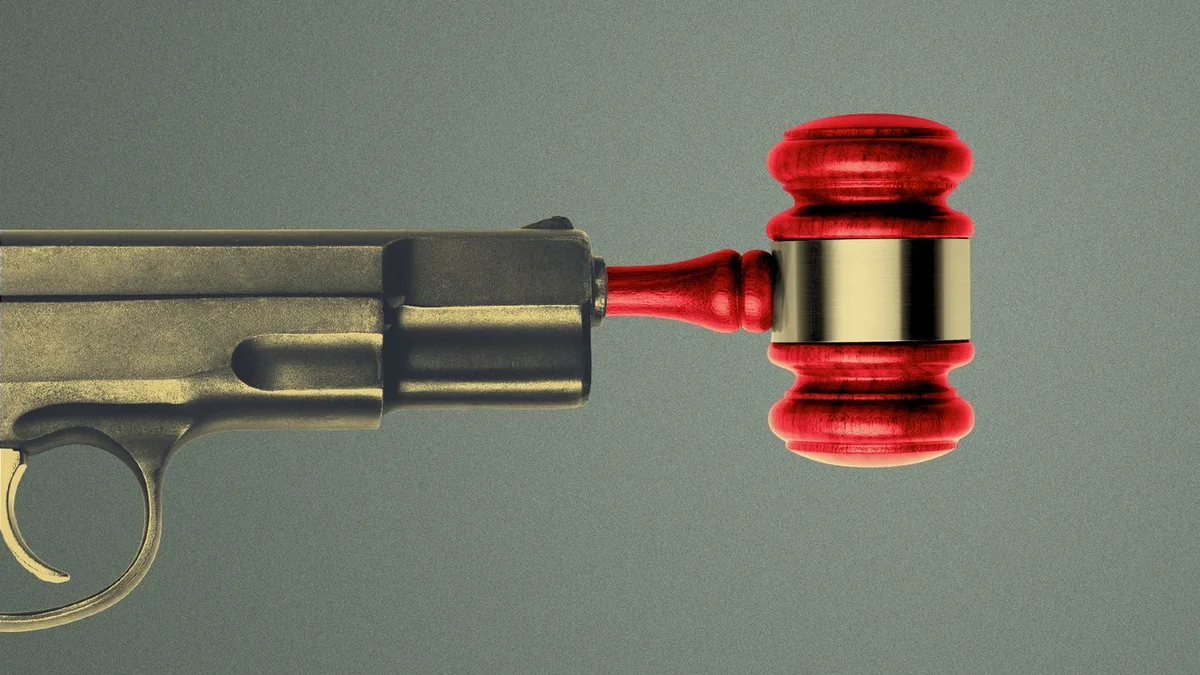
The Supreme Court's decision striking down Hawai'i's gun law highlights the difficulty in crafting modern firearm restrictions under the court's historical tradition standard. The ruling in Wolford v. Lopez determined that private businesses open to the public cannot be mandated as gun-free zones by the state. This shifts the responsibility of keeping guns out of these establishments to business owners. However, states can still ban guns on private property not open to the public, like homes. Some suggest "forced choice" laws requiring businesses to post their gun policies. Hawai'i's law, based on a post-Civil War era statute, was rejected. The 2022 Bruen decision did leave room for objective safety requirements, prompting workarounds. States are now focusing on stricter licensing and specific hardware bans. Examples include enhanced training for concealed carry permits and prospective gun buyers, and assault-style weapon bans. Courts have consistently upheld restrictions in "sensitive" places like schools and government buildings. Some states are expanding the definition of sensitive places to include parks and casinos. Firearm bans in bars and restaurants serving alcohol are also generally upheld due to concerns about violence. Individuals deemed dangerous, such as those with a history of mental health commitment or felony convictions, can be prohibited from acquiring firearms. The reliance on historical tradition for gun laws is seen as a barrier to addressing contemporary issues.