The Atlas Obscura Guide to Seeing the Northern Lights
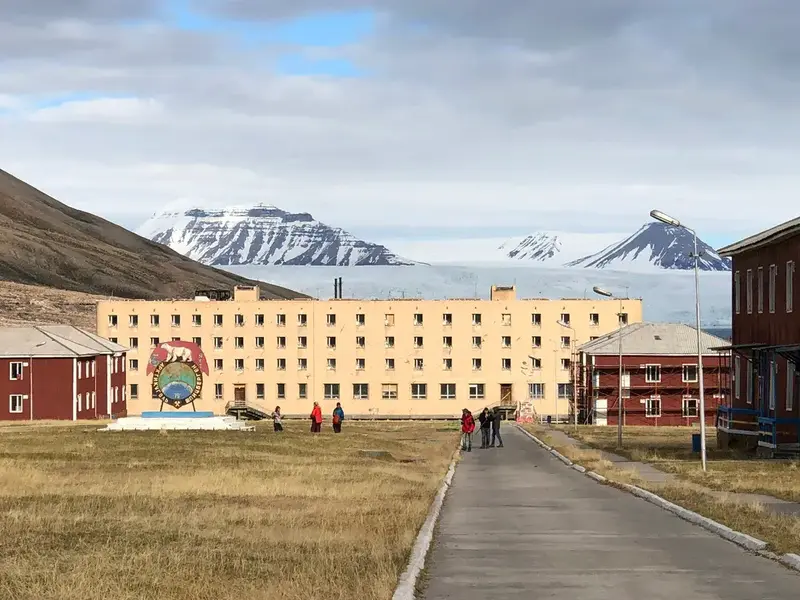
A common aurora-hunting failure involves booking a trip solely for the Northern Lights and encountering cloudy skies, leading to disappointment and the incorrect conclusion that the location was unsuitable. Aurora is a probability, not a guarantee, and no single place can promise a viewing. A better approach is to choose a destination for its other attractions, with the aurora as a bonus.The solar cycle influences aurora activity, with the current cycle's decline still offering good chances through 2027. Equinoxes, specifically late September and March, are prime times due to Earth's magnetic field alignment. Darkness is essential, making summer unsuitable for aurora viewing.Svalbard offers a unique experience beyond the aurora, featuring the Svalbard Global Seed Vault, the abandoned Soviet town of Pyramiden, and a prohibition on burials due to permafrost. Iceland provides stunning foregrounds for aurora photography, such as Jökulsárlón glacial lagoon and Diamond Beach, offering beautiful natural backdrops. Travelers can also relax in geothermal waters while waiting for the lights.Arctic Norway, particularly Tromsø, is a highly recommended destination due to its location under the auroral oval and established aurora tourism industry. For those seeking fewer crowds, the Lofoten Islands offer similar aurora potential with dramatic mountain scenery. Finnish Lapland presents unique accommodations like glass igloos at Kakslauttanen Arctic Resort, allowing comfortable viewing from bed.Even Scotland can offer aurora sightings during significant geomagnetic storms, with Galloway Forest Park being a designated Dark Sky Park. For a successful trip, stay at least five nights to increase chances and choose locations with access to multiple valleys to outmaneuver local clouds. Understanding the Kp index and utilizing reliable space weather forecasts are crucial. Ultimately, selecting a destination based on its inherent attractions guarantees a worthwhile experience, regardless of aurora visibility.