The Atlas Obscura Guide to the World's Strangest Christmas Traditions
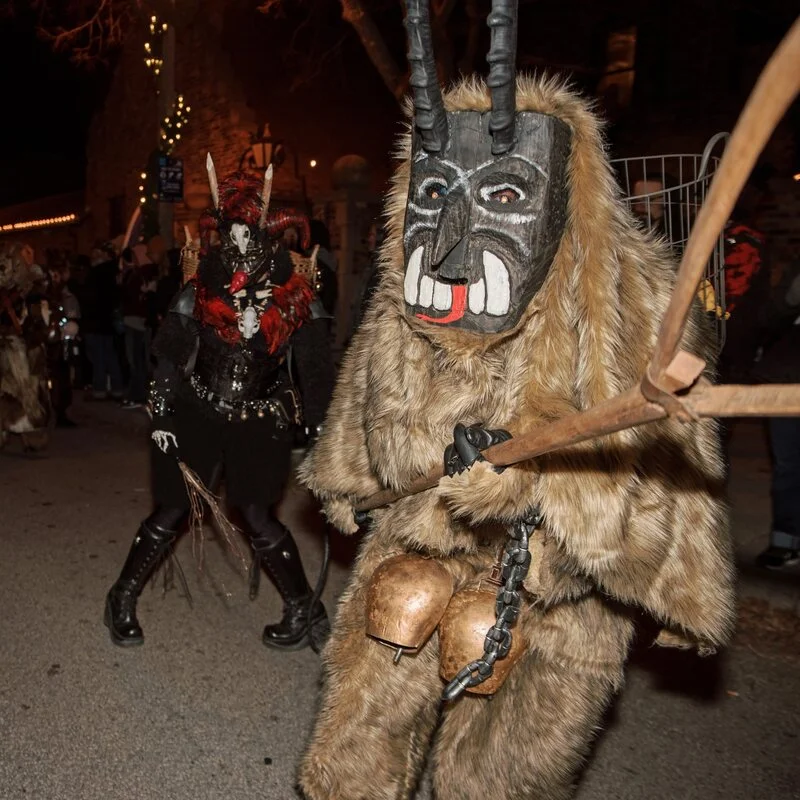
European Christmas markets offer predictable mulled wine and wooden huts, lacking distinct national character. In contrast, local traditions are specific, timed, and often quite dark, sometimes even involving mythical creatures. These traditions vary greatly and require precise timing to experience.Austria and Bavaria feature Krampus, a demonic counterpart to Saint Nicholas, who parades and swats onlookers on December 5th and 6th. Milwaukee also holds a significant Krampusnacht event due to its German heritage. Central Europe has Frau Perchta, a Christmas witch often depicted with frightening companions. Poland features the Turoń, a bull-like beast that dances through villages.Iceland boasts unique Christmas monsters, including the Yule Cat, which eats those without new clothing on Christmas Eve. The thirteen Yule Lads arrive nightly before Christmas, with potentially terrifying original forms, and are associated with Dimmuborgir, a volcanic landscape. Gävle, Sweden, has a tradition of erecting a large straw Yule Goat that is repeatedly destroyed, often by arson.Catalonia includes El Caganer, a defecating peasant figure, in its nativity scenes, symbolizing fertility or coexistence. Oaxaca, Mexico, celebrates La Noche de Rábanos on December 23rd, featuring intricate sculptures carved from enormous radishes that wilt by day's end. The United States has embraced Christmas as a permanent state with themed amusement parks and towns like Leavenworth, Washington, and its Nutcracker Museum. For those seeking markets, it's recommended to choose a city for its other attractions and prioritize specific traditions.