Fast Company
Follow
The cult of the iPhone mini is alive and thriving
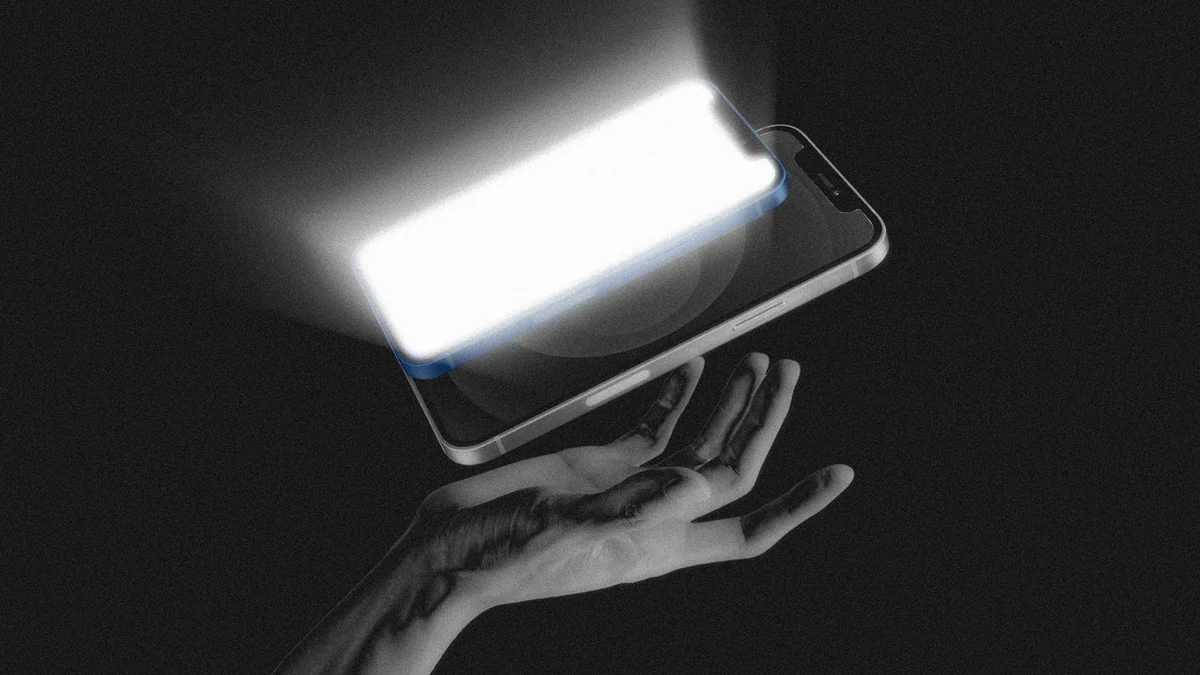
The author struggles with their aging iPhone 13 mini, facing storage, battery, and overheating issues, yet resists buying a new phone. A niche community of "mini" users shares advice online, relishing their smaller devices. This resistance reflects a broader cultural shift, a balance between embracing tech advancements and reclaiming personal time from devices. These users aren't anti-technology but find mid-range solutions. Historically, phones, starting with the original iPhone's 3.5-inch screen, were designed for one-handed use. Steve Jobs famously opposed larger phones, but market demand shifted, leading to larger screens and the "phablet" category. Apple eventually introduced the iPhone mini in 2020, but it didn't sell well and was discontinued. However, its perceived flaws have made it desirable to some, acting as a sophisticated dumbphone. Users appreciate its smaller size and less demanding battery life, which discourages excessive scrolling. This "mini" community finds a middle ground, acknowledging their phone's limitations as a benefit. The desire for smaller, less intrusive technology is growing, a counterpoint to the trend of ever-larger, more powerful devices. Choosing a smaller phone like the mini is a subtle statement about awareness of technology's role in our lives. This "cult" will persist until the phones become unusable or Apple releases a new mini model.