The Glass Armonica: The Strange History of the Instrument Benjamin Franklin Invented
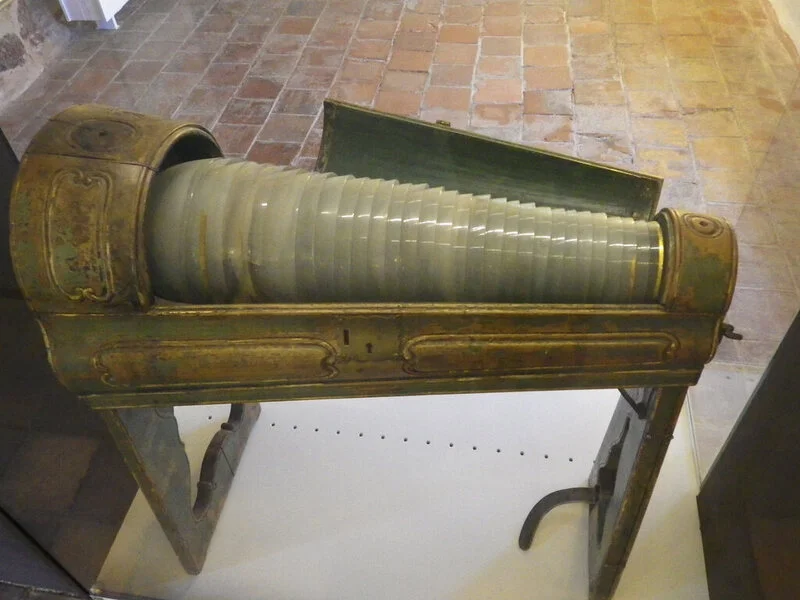
The Atlas Obscura Podcast explores the history of the glass armonica, a unique musical instrument. Joey Weiss, a musician and producer, owns a studio with a collection of instruments, including a glass armonica. This instrument consists of nested glass bowls of varying sizes mounted on a rod. Benjamin Franklin, a renowned inventor, is credited with developing the glass armonica in the 1760s. He was inspired by the sound of wineglasses played with wet fingers. Franklin's improved version allowed for portability and ease of play. The glass armonica gained immense popularity in Europe, with composers like Mozart writing for it. It became associated with Franz Mesmer, a physician who used its ethereal sound in his therapeutic treatments. Mesmer's methods, which involved "animal magnetism" and theatrical presentations, led to a scientific commission, including Benjamin Franklin, to investigate. The commission debunked Mesmer's claims, attributing patient reactions to the placebo effect. Despite this, Mesmer's name became synonymous with the instrument's captivating, almost hypnotic, sound. The armonica later fell out of favor due to its association with mesmerism and rumors of its negative health effects. It also proved fragile and difficult to maintain, leading to its decline. However, in the 1980s, glassblower Gerhard Finkenbeiner began manufacturing new glass armonicas, reviving interest in the instrument. The story of Finkenbeiner himself has a mysterious ending, with his disappearance while on a solo flight.